Garlic has long been celebrated as a powerful natural ingredient, valued both for its flavor and its health benefits. But what happens when garlic starts to sprout - those small green shoots emerging from the cloves? Many people assume sprouted garlic is spoiled and throw it away. In reality, sprouted garlic is not only safe to eat but may even offer unique health advantages.
Let’s explore what happens when garlic sprouts and why it might deserve a place in your diet.
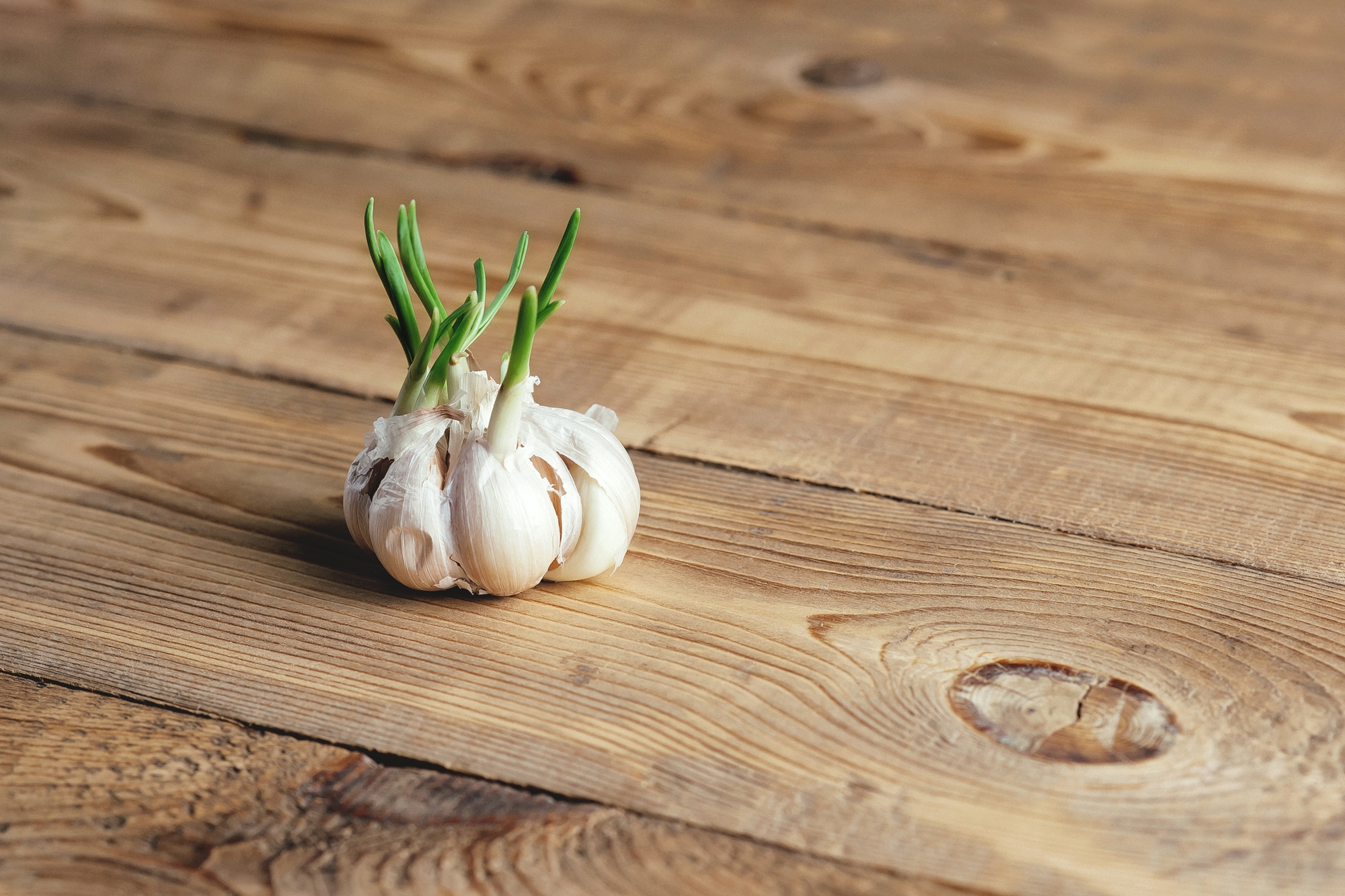
Is Sprouted Garlic Safe to Eat?
Before diving into the benefits, it’s important to address a common concern: safety.
Sprouted garlic is generally safe to consume as long as:
- The cloves are still firm
- There are no signs of mold or rot
- The smell remains fresh and not overly bitter
The green shoot itself can taste slightly bitter, but it is not harmful. In fact, it may contain beneficial compounds.
Why Does Garlic Sprout?
Garlic sprouts when it begins a new growth cycle, usually due to warmth, moisture, or prolonged storage. During this process, the clove undergoes biochemical changes, including an increase in certain antioxidants.
These changes are what make sprouted garlic particularly interesting from a nutritional perspective.
1. Higher Antioxidant Levels
One of the most notable benefits of sprouted garlic is its increased antioxidant content.
What this means:
- Helps protect cells from oxidative stress
- Supports overall health and aging prevention
- May reduce the risk of chronic diseases
As garlic sprouts, it produces compounds that defend the new plant, and these compounds can also benefit your body when consumed.

2. Supports Heart Health
Garlic is widely known for its cardiovascular benefits, and sprouted garlic may enhance these effects.
Potential benefits:
- Helps regulate blood pressure
- Supports healthy cholesterol levels
- Improves blood circulation
These effects contribute to a lower risk of heart-related conditions over time.
3. Boosts Immune Function
Garlic has natural antimicrobial and immune-supporting properties.
Sprouted garlic may:
- Help the body fight infections
- Strengthen immune response
- Provide protection against common illnesses
Its active compounds can support your body’s natural defense system.
4. May Improve Digestive Health
Garlic can support gut health by promoting beneficial bacteria.
Benefits include:
- Supporting digestion
- Helping maintain a balanced gut microbiome
- Reducing harmful bacteria
A healthy digestive system plays a key role in overall well-being.
5. Anti-Inflammatory Properties
Chronic inflammation is linked to many health issues.
Sprouted garlic contains compounds that may:
- Reduce inflammation in the body
- Support joint and tissue health
- Improve long-term wellness
This makes it a valuable addition to a balanced diet.
6. Potential Brain Health Support
Antioxidants in garlic may also benefit the brain.
Possible effects:
- Protect brain cells from damage
- Support memory and cognitive function
- Reduce oxidative stress in the nervous system
While more research is needed, early findings are promising.
Does Sprouted Garlic Taste Different?
Yes, sprouted garlic can taste slightly more bitter than fresh garlic.
Tips to improve flavor:
- Remove the green shoot if the taste is too strong
- Use it in cooked dishes where bitterness is less noticeable
- Combine with other ingredients to balance flavor
Despite the taste difference, it remains a useful and nutritious ingredient.

When Should You Avoid Sprouted Garlic?
While sprouted garlic is generally safe, you should avoid it if:
- It feels soft or mushy
- There are visible mold spots
- It has an unpleasant or rotten smell
These signs indicate spoilage rather than simple sprouting.
Final Thoughts
Sprouted garlic is often misunderstood and unnecessarily discarded. In reality, it can be a nutritious and beneficial addition to your meals, offering enhanced antioxidant levels and a range of potential health benefits.
Instead of throwing it away, consider giving sprouted garlic a second chance in your kitchen. With proper use, it can contribute to better health while reducing food waste - a win for both you and the environment.