Waking up in the middle of the night with a sudden, painful leg cramp is a common experience for many people. These cramps, often affecting the calf muscles, can be intense and disruptive. While occasional cramps may not be serious, frequent nighttime leg cramps could be a warning sign of underlying health issues that should not be ignored.
What Are Night Leg Cramps?
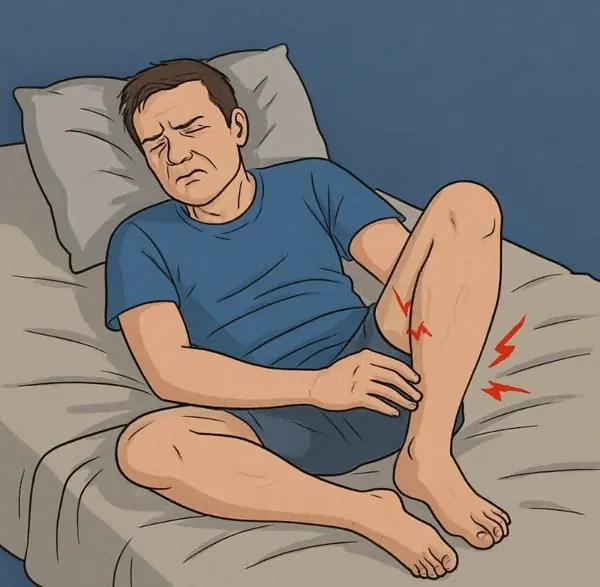
Night leg cramps are sudden, involuntary muscle contractions that occur during sleep. They most commonly affect the calf muscles but can also occur in the thighs or feet.
These cramps can last anywhere from a few seconds to several minutes and may leave lingering soreness afterward.
Common Causes of Nighttime Leg Cramps
Understanding the causes is the first step toward prevention.
1. Dehydration
Lack of proper hydration can lead to muscle imbalances, making cramps more likely.
2. Mineral Deficiencies
Low levels of key minerals such as magnesium, potassium, and calcium can interfere with normal muscle function.
3. Poor Circulation
Reduced blood flow to the legs can contribute to muscle cramping, especially during long periods of inactivity.
4. Prolonged Sitting or Standing
Staying in one position for extended periods can strain muscles and increase the risk of cramps.
5. Overexertion
Excessive physical activity without proper stretching can lead to muscle fatigue and cramping.
When Leg Cramps May Signal a Bigger Problem
While most leg cramps are harmless, frequent or severe episodes may indicate underlying health conditions such as:
- Peripheral artery disease (poor blood flow)
- Nerve compression or damage
- Diabetes
- Kidney or thyroid disorders
If cramps occur regularly or worsen over time, medical evaluation is recommended.
Warning Signs You Should Not Ignore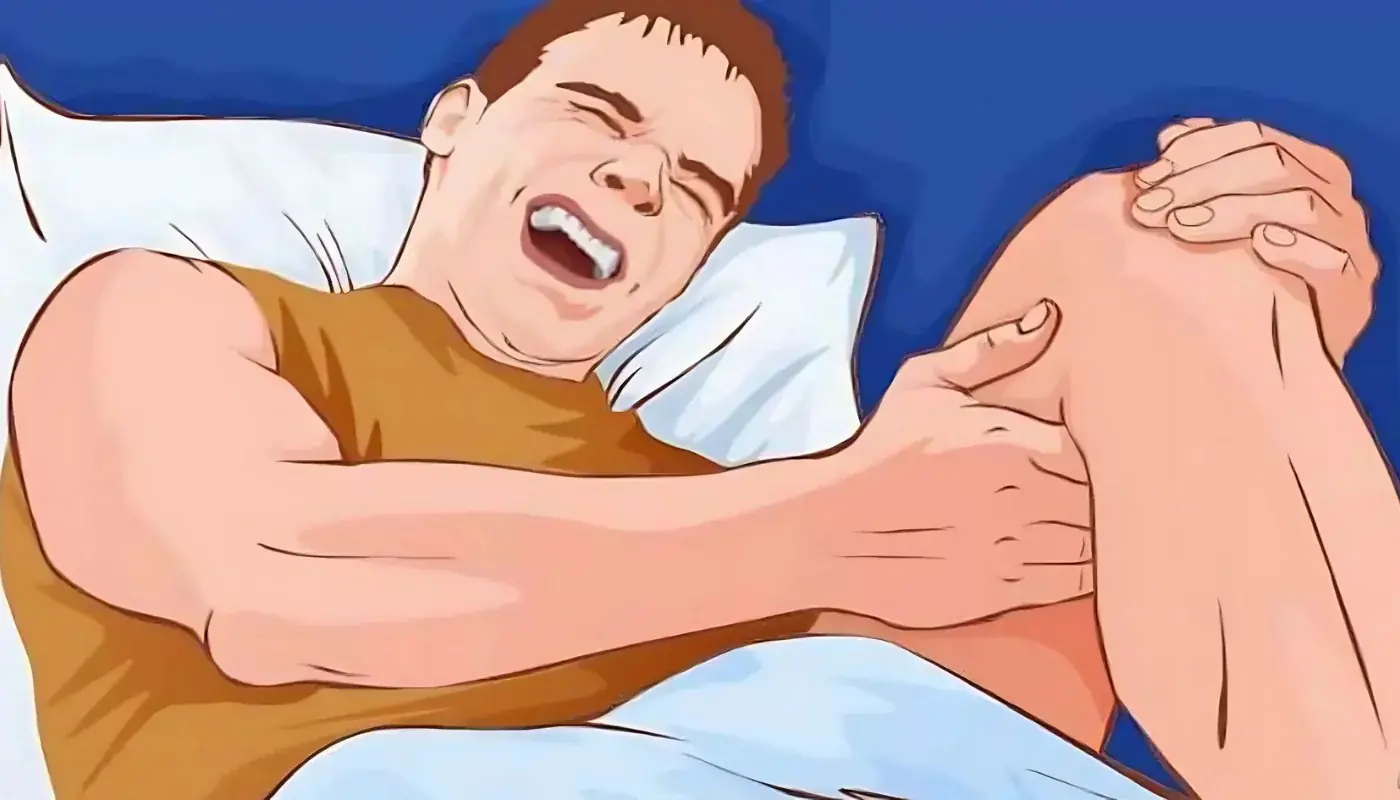
Pay attention if your leg cramps are accompanied by:
- Persistent pain or swelling
- Numbness or tingling
- Weakness in the legs
- Skin color changes
- Difficulty walking
These symptoms may point to more serious circulation or nerve issues.
Immediate Relief Tips
When a cramp strikes, quick action can help ease the pain:
- Stretch the muscle: Gently straighten your leg and pull your toes toward you
- Massage the area: Light rubbing can help relax the muscle
- Apply heat: A warm compress can improve blood flow
- Walk around: Light movement may relieve tension
How to Prevent Night Leg Cramps
Prevention is key, especially if cramps occur frequently.
Stay Hydrated
Drink enough water throughout the day to maintain proper muscle function.
Maintain Balanced Nutrition
Ensure your diet includes foods rich in magnesium, potassium, and calcium.
Stretch Before Bed
Simple stretching exercises can relax muscles and reduce cramping risk.
Stay Active
Regular physical activity improves circulation and muscle health.
Adjust Sleep Position
Avoid sleeping in positions that shorten or tighten leg muscles.
Lifestyle Habits That Help
Small changes can make a big difference:
- Wear comfortable footwear
- Avoid excessive caffeine and alcohol
- Take breaks if sitting or standing for long periods
- Maintain a healthy weight
When to See a Doctor
You should consult a healthcare professional if:
- Cramps happen frequently (several times a week)
- Pain is severe or long-lasting
- Home remedies do not help
- Symptoms interfere with sleep and daily life
Early diagnosis can help identify and treat underlying conditions.
Conclusion
Night leg cramps may seem like a minor inconvenience, but they can sometimes signal deeper health issues. Understanding the causes, recognizing warning signs, and taking preventive steps can help reduce their frequency and severity.