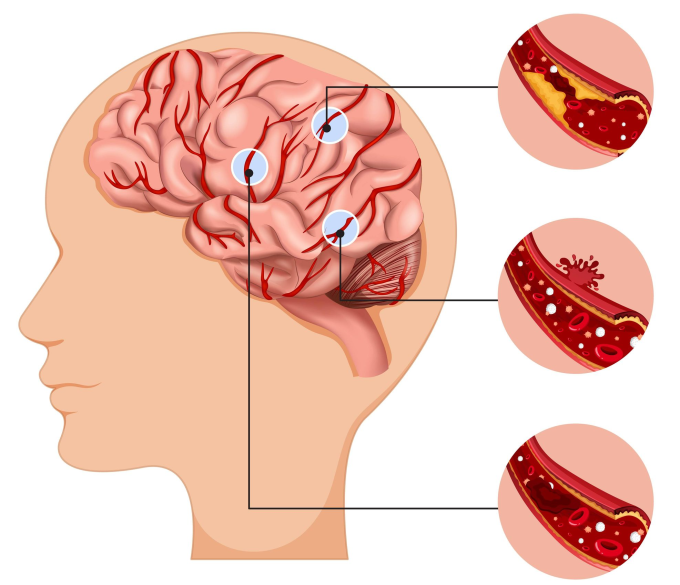
A brain hemorrhage - also known as intracranial bleeding - is a serious medical condition that occurs when a blood vessel in the brain ruptures. This can lead to pressure on brain tissue, reduced oxygen supply, and potentially life-threatening complications. While some causes are sudden and unpredictable, certain situations and conditions can significantly increase the risk.
Understanding these high-risk scenarios can help you take preventive steps and recognize when to be more cautious.
1. Sudden Spikes in Blood Pressure
High blood pressure (hypertension) is one of the leading risk factors for brain hemorrhage.
Risk increases when:
- Blood pressure rises suddenly
- Hypertension is poorly controlled
Why it matters:
Sudden pressure can weaken or rupture blood vessel walls in the brain.
2. Intense Physical Strain
Heavy exertion can temporarily raise blood pressure.
Examples include:
- Lifting heavy weights
- Straining during bowel movements
- Sudden, extreme physical activity
While exercise is generally healthy, overexertion without proper conditioning can increase risk in vulnerable individuals.
3. Emotional Stress and Anger
Strong emotional reactions can trigger physiological changes.
What happens:
- Heart rate increases
- Blood pressure spikes
- Blood vessels experience added stress
Frequent or intense stress may contribute to long-term vascular damage.
4. Exposure to Extreme Cold
Cold weather can cause blood vessels to constrict.
Effects include:
- Increased blood pressure
- Reduced blood flow flexibility
This combination can raise the risk of vessel rupture, especially in older adults or those with hypertension.
5. Sleep Deprivation or Irregular Sleep Patterns
Poor sleep can negatively affect cardiovascular health.
Associated risks:
- Increased blood pressure
- Hormonal imbalances
- Reduced recovery time for the body
Chronic sleep deprivation may increase vulnerability to vascular events.

6. Alcohol Overconsumption
Excessive alcohol intake can have multiple effects on the body.
Short-term:
- Sudden increases in blood pressure
Long-term:
- Weakening of blood vessels
- Increased risk of stroke and hemorrhage
Moderation is essential to reduce these risks.
7. Use of Blood-Thinning Medications or Clotting Disorders
Certain medications and medical conditions can affect blood clotting.
Examples:
- Anticoagulant medications
- Bleeding disorders
Why this matters:
If a blood vessel ruptures, impaired clotting can worsen bleeding and increase severity.
Warning Signs of a Brain Hemorrhage
Recognizing symptoms early can save lives.
Common signs include:
- Sudden, severe headache (“worst headache of your life”)
- Weakness or numbness on one side of the body
- Difficulty speaking or understanding speech
- Vision problems
- Loss of balance or coordination
- Sudden confusion
Immediate medical attention is critical if these symptoms occur.
Who Is at Higher Risk?
Certain individuals are more vulnerable:
- People with high blood pressure
- Older adults
- Smokers
- Individuals with a history of stroke
- Those with vascular abnormalities
Prevention Tips
While not all cases can be prevented, you can reduce your risk by:
- Managing blood pressure
- Maintaining a healthy lifestyle
- Avoiding excessive alcohol consumption
- Managing stress effectively
- Getting enough sleep
- Following medical advice for existing conditions

The Bottom Line
Brain hemorrhage is a serious and potentially life-threatening condition, but understanding the situations that increase risk can help you stay one step ahead. Sudden blood pressure spikes, stress, extreme temperatures, and lifestyle factors all play a role.
By staying aware of these triggers and taking proactive steps, you can reduce your risk and protect your long-term health. If warning signs appear, seeking immediate medical care is essential.