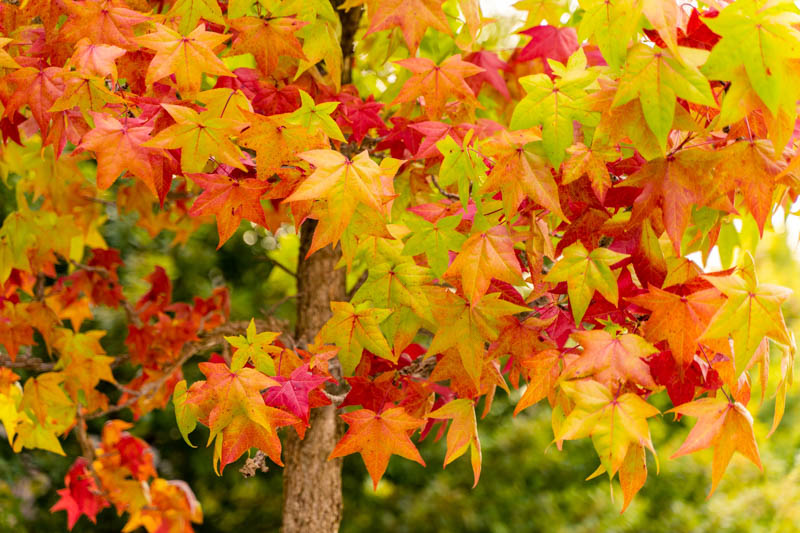
The American sweetgum (Liquidambar styraciflua) is a tree many people recognize by its star-shaped leaves and distinctive spiky seed balls scattered across the ground in autumn. For years, it has been appreciated mainly for its ornamental beauty—especially its vibrant fall colors. However, beyond its visual appeal lies a lesser-known history: sweetgum has long been valued for its traditional healing properties.
Today, interest in natural remedies and plant-based medicine has brought renewed attention to this once-overlooked tree.
A Tree with Deep Historical Roots
Native to North America, the American sweetgum has been used for centuries by Indigenous communities.
Traditional uses included:
- Treating wounds and skin conditions
- Relieving respiratory issues
- Supporting digestive health
The tree produces a resin—often called storax or liquidambar gum - which has been the primary source of its medicinal value.
What Makes Sweetgum Special?
The healing potential of sweetgum comes from its bioactive compounds, particularly those found in its resin.
Key properties include:
- Antimicrobial effects – may help inhibit bacteria
- Anti-inflammatory properties – can reduce irritation and swelling
- Aromatic compounds – used for soothing and calming effects
These characteristics made it a valuable natural remedy long before modern medicine.
Traditional Healing Applications
1. Wound Care
Sweetgum resin was often applied to minor cuts and wounds.
Why it worked:
- Its antimicrobial properties helped prevent infection
- It formed a protective layer over the skin
2. Respiratory Support
Historically, sweetgum was used to help with coughs and colds.
Common uses:
- As an ingredient in herbal remedies
- To soothe throat irritation
Its aromatic nature may have provided a calming effect on the respiratory system.

3. Digestive Aid
Some traditional practices used sweetgum preparations to support digestion.
Potential benefits:
- Relief from mild digestive discomfort
- Support for gut balance
Modern Interest and Research
In recent years, scientists have begun revisiting plants like sweetgum to explore their potential in modern medicine.
Areas of interest include:
- Natural antimicrobial agents
- Plant-based anti-inflammatory compounds
- Alternative sources for pharmaceutical development
While research is ongoing, early findings suggest that compounds in sweetgum resin may have promising applications.
Beyond Medicine: Other Uses of Sweetgum
The value of the American sweetgum extends beyond its healing properties.
Other uses include:
- Fragrance and incense: The resin has a pleasant, balsamic scent
- Woodworking: The tree’s wood is used in furniture and interior finishes
- Landscaping: Popular for its striking seasonal color
Important Considerations
Despite its traditional uses, sweetgum should be approached with caution.
- Not all natural remedies are safe for everyone
- Improper use of plant extracts can cause irritation or adverse effects
- Scientific evidence is still developing for many traditional claims
It’s always advisable to consult a healthcare professional before using plant-based remedies for medical purposes.
Why It’s Being Rediscovered
As interest in natural health and sustainable living grows, people are turning back to plants that were once central to traditional medicine.
The American sweetgum stands out because:
- It is widely available
- It has a long history of use
- It contains compounds with potential therapeutic value
This combination makes it a compelling subject for both scientific research and holistic health practices.

The Bottom Line
The American sweetgum is more than just a beautiful tree - it is a reminder of the rich relationship between nature and healing. While modern science continues to explore its potential, its historical significance highlights how natural resources have long supported human health.
As we rediscover plants like sweetgum, the key is balance: appreciating traditional knowledge while relying on scientific evidence to guide safe and effective use.