These 5 Types of Meat You Should Never Eat Raw
Eating raw meat has become trendy in some cuisines, like steak tartare, carpaccio, or sushi with raw beef or chicken. However, not all meats are safe to consume raw. Certain types carry a higher risk of foodborne illnesses caused by bacteria, parasites, or viruses. Understanding which meats to avoid raw can protect your health.
1. Chicken and Other Poultry

Raw chicken is one of the most dangerous meats to eat uncooked because it often carries Salmonella and Campylobacter bacteria. These pathogens can cause severe food poisoning, with symptoms like diarrhea, vomiting, fever, and abdominal cramps. Cooking poultry to an internal temperature of 165°F (74°C) kills harmful bacteria.
2. Pork
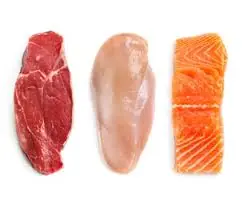
Raw or undercooked pork can contain Trichinella parasites, which cause trichinosis — a serious infection that may lead to nausea, vomiting, diarrhea, fever, and muscle pain. Modern practices have reduced trichinosis in many countries, but it’s still recommended to cook pork to at least 145°F (63°C) and allow it to rest for safe consumption.
3. Ground Beef and Other Ground Meats
While whole cuts of beef can sometimes be eaten rare, ground beef is riskier. Grinding distributes bacteria from the surface throughout the meat. Pathogens like E. coli O157:H7 can survive in undercooked ground beef and cause life-threatening illness. Ground beef should be cooked to 160°F (71°C).
4. Fish Prone to Parasites
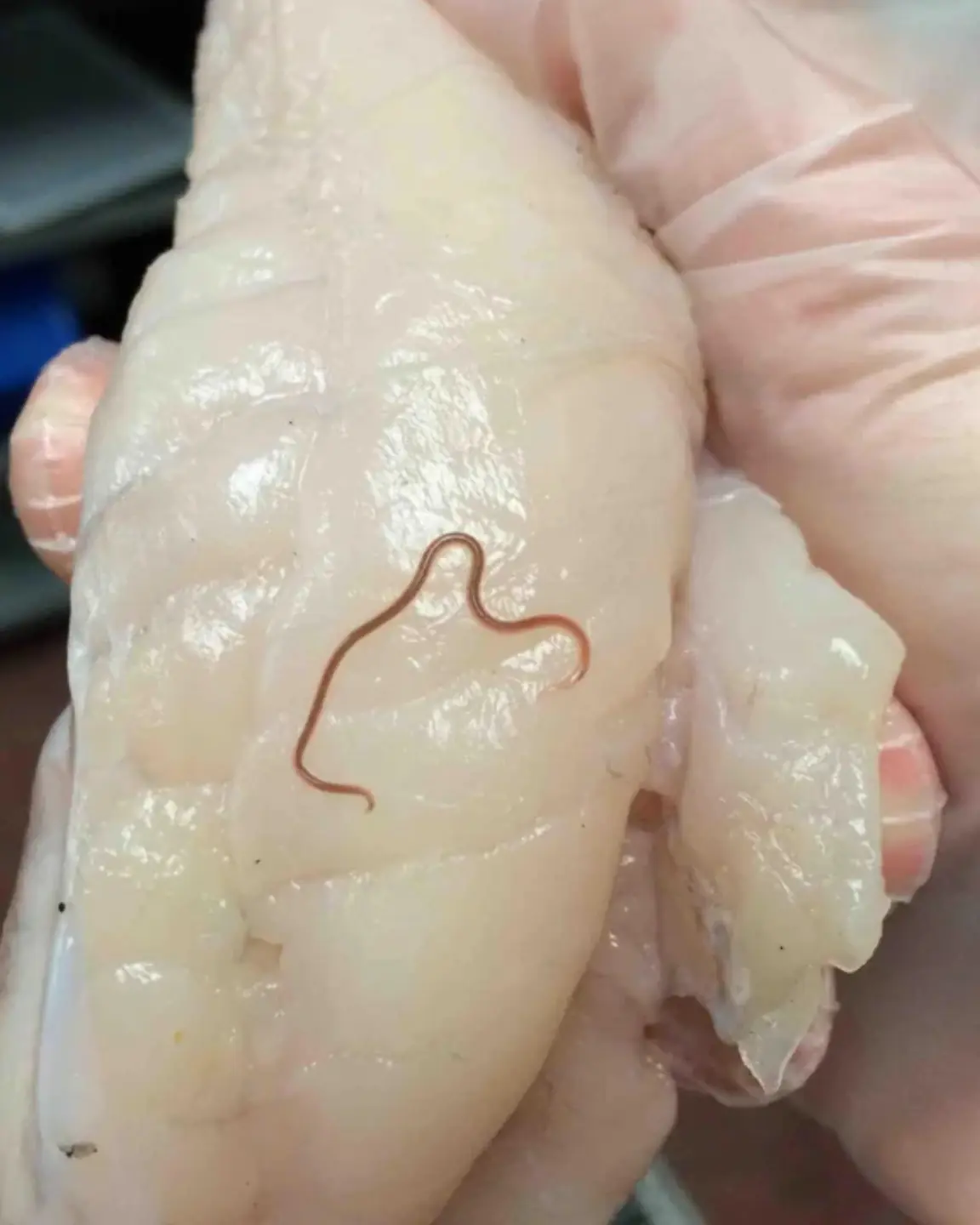
Certain raw fish may contain parasites like Anisakis, which can infect humans if eaten raw. While sushi-grade fish is typically frozen to kill parasites, some types like freshwater fish, eel, and some wild-caught species are not safe raw. Always ensure fish is frozen appropriately or cooked.
5. Lamb and Goat
While some cuisines feature raw lamb or goat, these meats can carry bacteria such as Salmonella and Listeria, especially in ground or minced form. Cooking to recommended temperatures (145–160°F / 63–71°C) ensures safety.
Tips to Reduce Risk
- Avoid cross-contamination: Keep raw meats separate from ready-to-eat foods.
- Use a meat thermometer: Check internal temperatures to ensure doneness.
- Choose trusted sources: High-quality, inspected meat is less likely to be contaminated.
- Freeze when needed: Freezing certain meats can kill parasites but not all bacteria.
Final Takeaway
Raw meat can be risky — some types are safe in small quantities when properly prepared, but others should never be eaten raw due to high bacterial or parasitic risk. Poultry, pork, ground meats, certain fish, and raw lamb or goat should always be cooked thoroughly to protect your health.