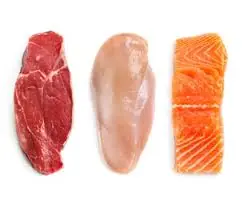
These 5 Meats Are Too Risky to Eat Raw — Here’s What Can Happen If You Do
5 Types of Meat You Should Never Eat Raw — And the Dangerous Bacteria and Parasites Lurking Inside
Food 02/04/2026 10:21
Raw honey retains more antioxidants and enzymes with potential health benefits, as well as some pollen.
Regular honey is processed by filtration and heating, which removes or inactivates many of the beneficial compounds in honey, but clarifies it and prolongs its shelf life.
Despite being natural, honey is still an added sugar, which guidelines recommend limiting in the diet.
Raw honey is unfiltered and unpasteurized, retaining more antioxidants and pollen compared to regular honey. While regular honey's processing extends shelf life, it reduces these beneficial components.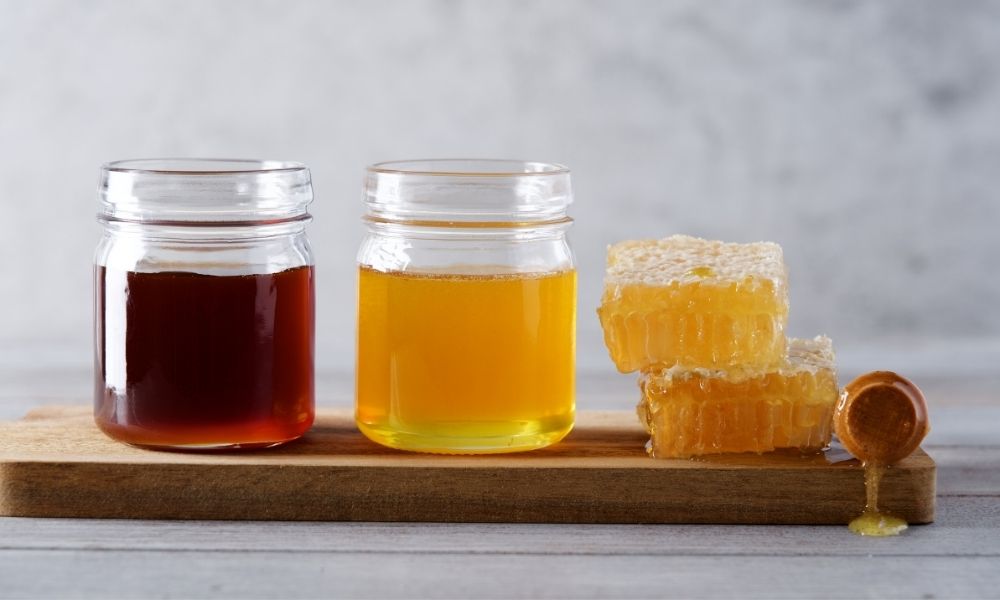
Raw honey comes straight from the hive and involves minimal processing. It's strained to remove bee parts and wax but remains unfiltered and unpasteurized. As a result, raw honey retains components like pollen, enzymes, antioxidants, and microbes, including yeast and bacteria, that are often removed or destroyed by heat.
Minimal processing preserves raw honey's flavor, but the shelf life is shorter, and it can crystallize sooner.
Honey is mostly sugar and water, with a small amount of vitamins and minerals. Raw honey contains compounds called flavonoids, known for their antioxidant properties, and enzymes that can prevent bacterial growth. Studies suggest that these active components in honey might:
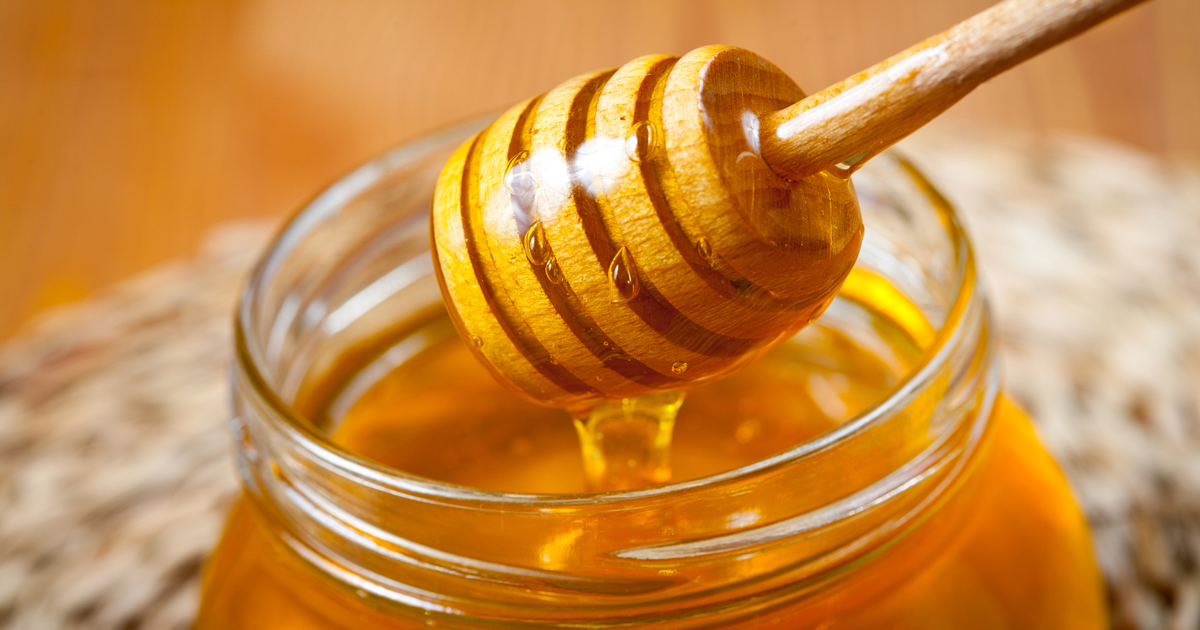
There's a popular idea that eating local raw honey can help with seasonal allergies by providing regular exposure to small amounts of local pollen, which helps build tolerance. However, the American College of Allergy, Asthma, and Immunology notes that this doesn't work for a couple of reasons:
See a healthcare provider for appropriate and effective treatment for any allergies.
Regular honey undergoes processing with filtration and pasteurization. Filtration removes particles, such as pollen and beeswax. Pasteurization heats it to at least 145 degrees Fahrenheit to kill yeast and bacteria.
These processes result in a clearer-looking product that crystallizes more slowly and has a longer shelf life. However, it results in color and flavor changes, as well as reduced levels of antioxidants, enzymes, and pollen.
In some cases, cheaper sweeteners, such as high-fructose corn syrup, are added to honey. One review states that most honey is adulterated, but the authors note that “adulterated” includes processed honey that no longer contains its natural components.
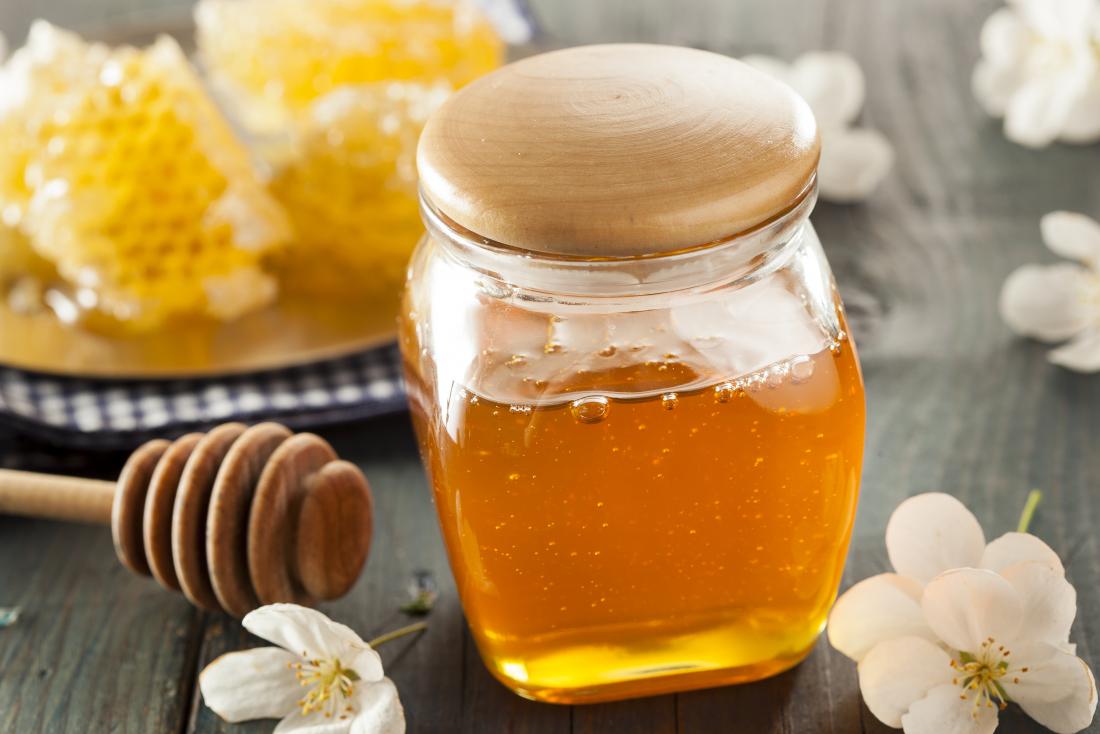
Health considerations include:
5 Types of Meat You Should Never Eat Raw — And the Dangerous Bacteria and Parasites Lurking Inside
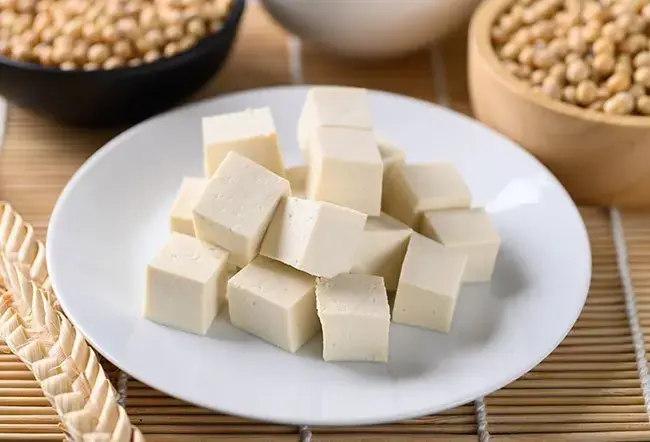
Eating tofu regularly could change your body in unexpected ways…
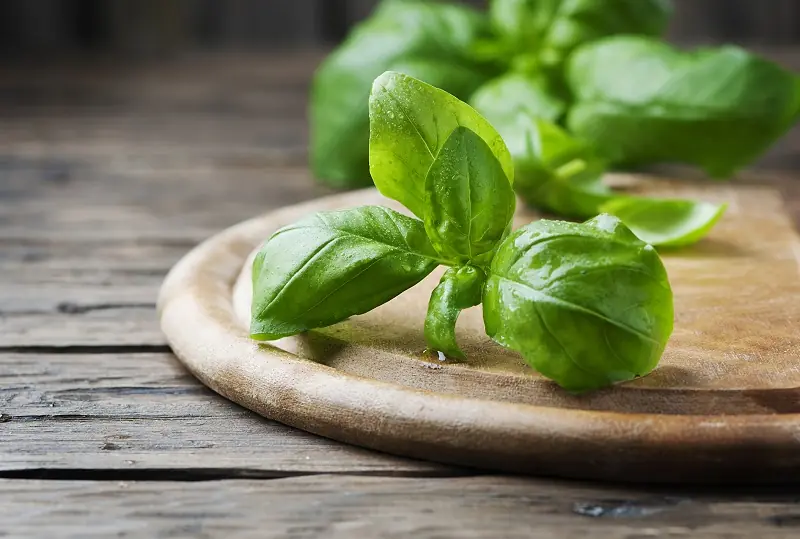
Discover 10 Fresh Herbs with Amazing Health Perks
Not everyone should eat papaya — see which groups need to be careful.

Eating Eggs Daily? Here’s What Doctors Want You to Know

Eating Plantains Regularly? This Is What It Does to You

Regularly Eating Canned Foods? This Is What It Does to Your Health

Avoid These 10 Foods at Night, According to a Dietitian
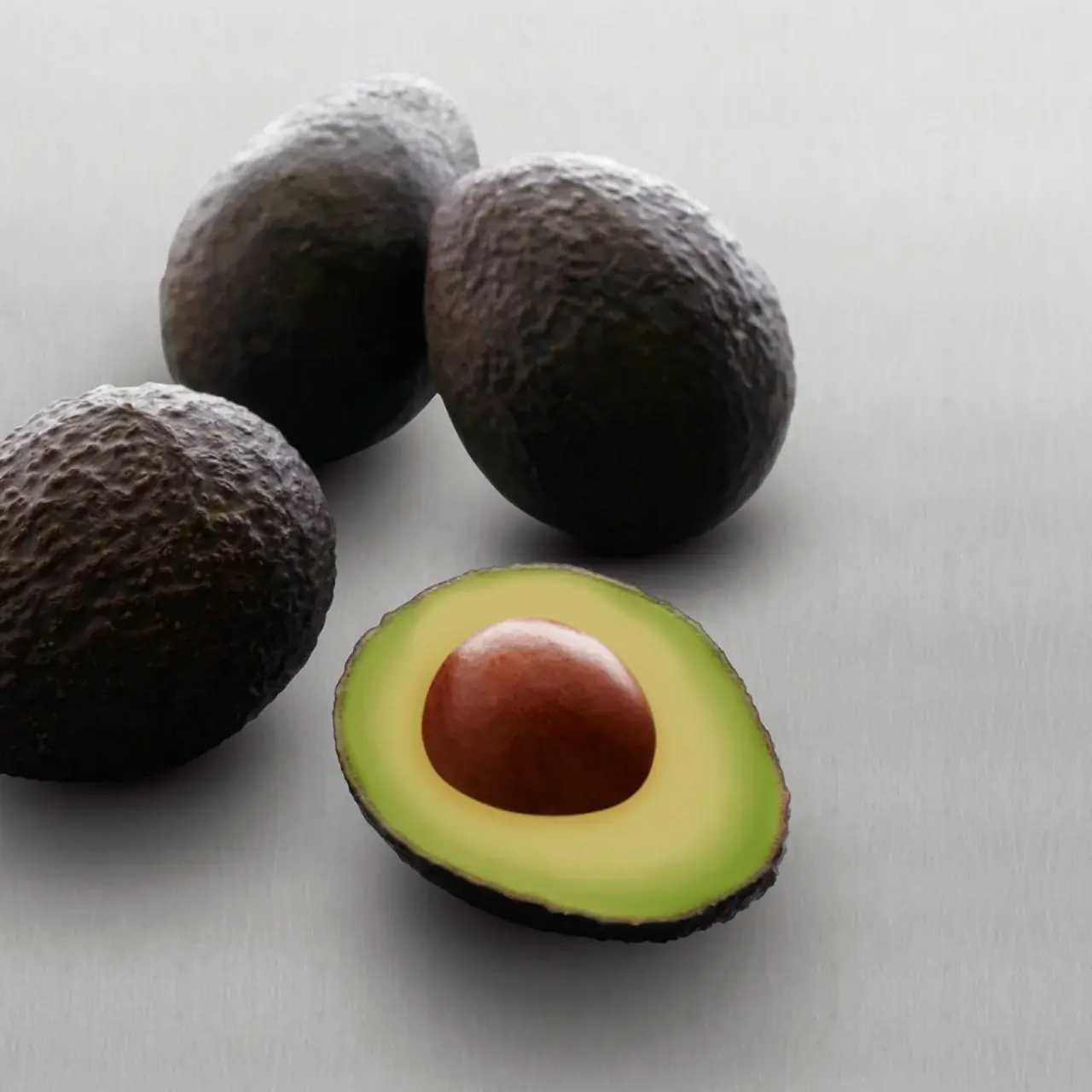
Eating Avocado Before Bed — Here’s How It Affects Your Sleep

What Really Happens to Your Body When You Eat Japanese Sweet Potatoes Regularly?
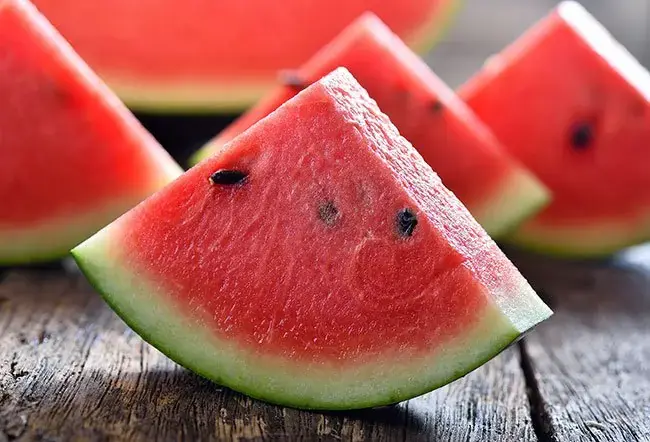
5 Health Benefits of Eating Watermelon Seeds
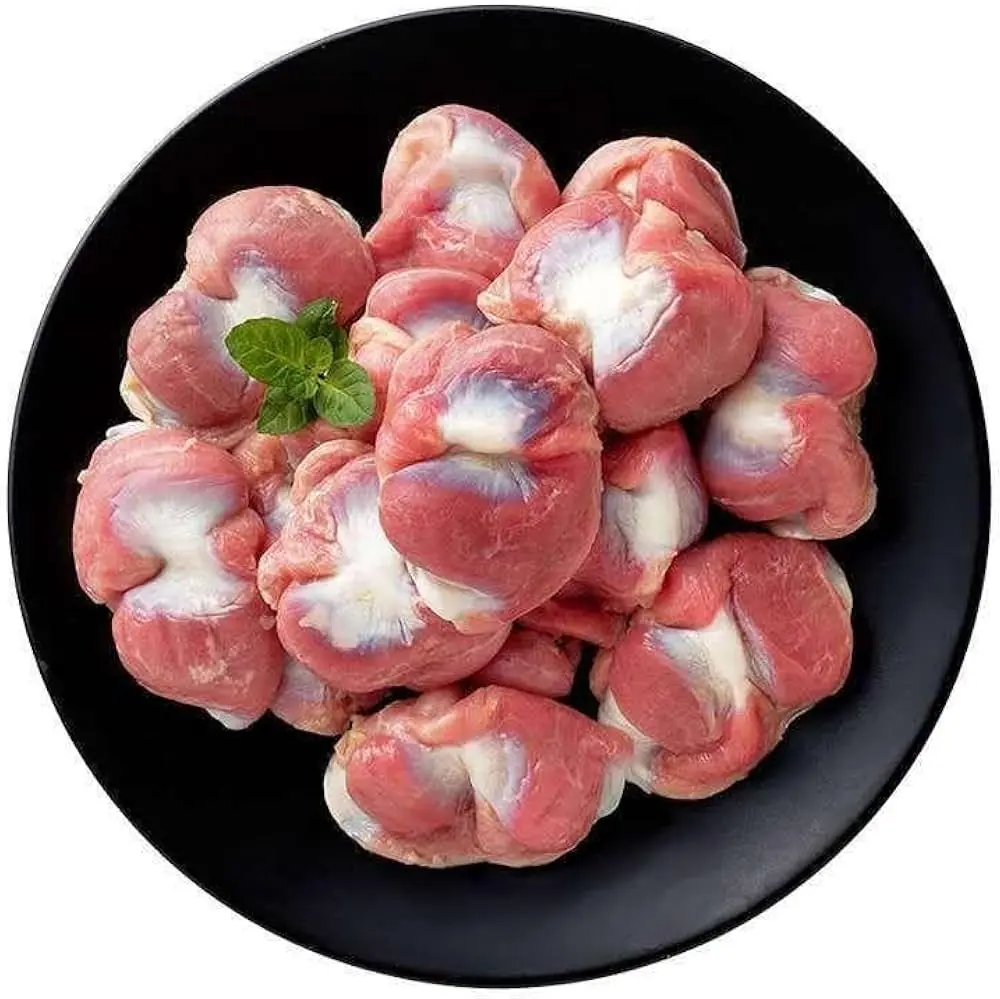
Why Chicken Gizzards Are a Superfood: 7 Amazing Benefits

Chicken Breast Lovers, Take Note: Here’s What Happens to Your Body

Daily Ginger Intake: What It Does to Your Body Might Shock You
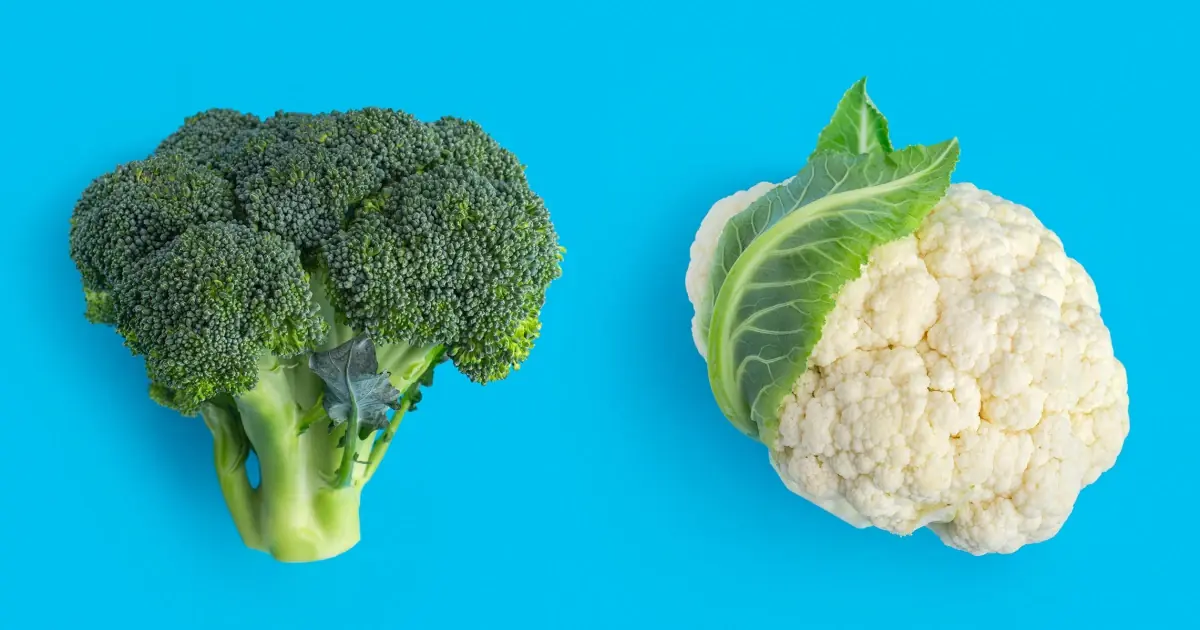
What You Should Know Before Your Next Cauliflower Meal

Drinking water in the morning is beneficial—here’s what most people overlook!

How dangerous is leftover rice? Here’s what you need to know before eating it.
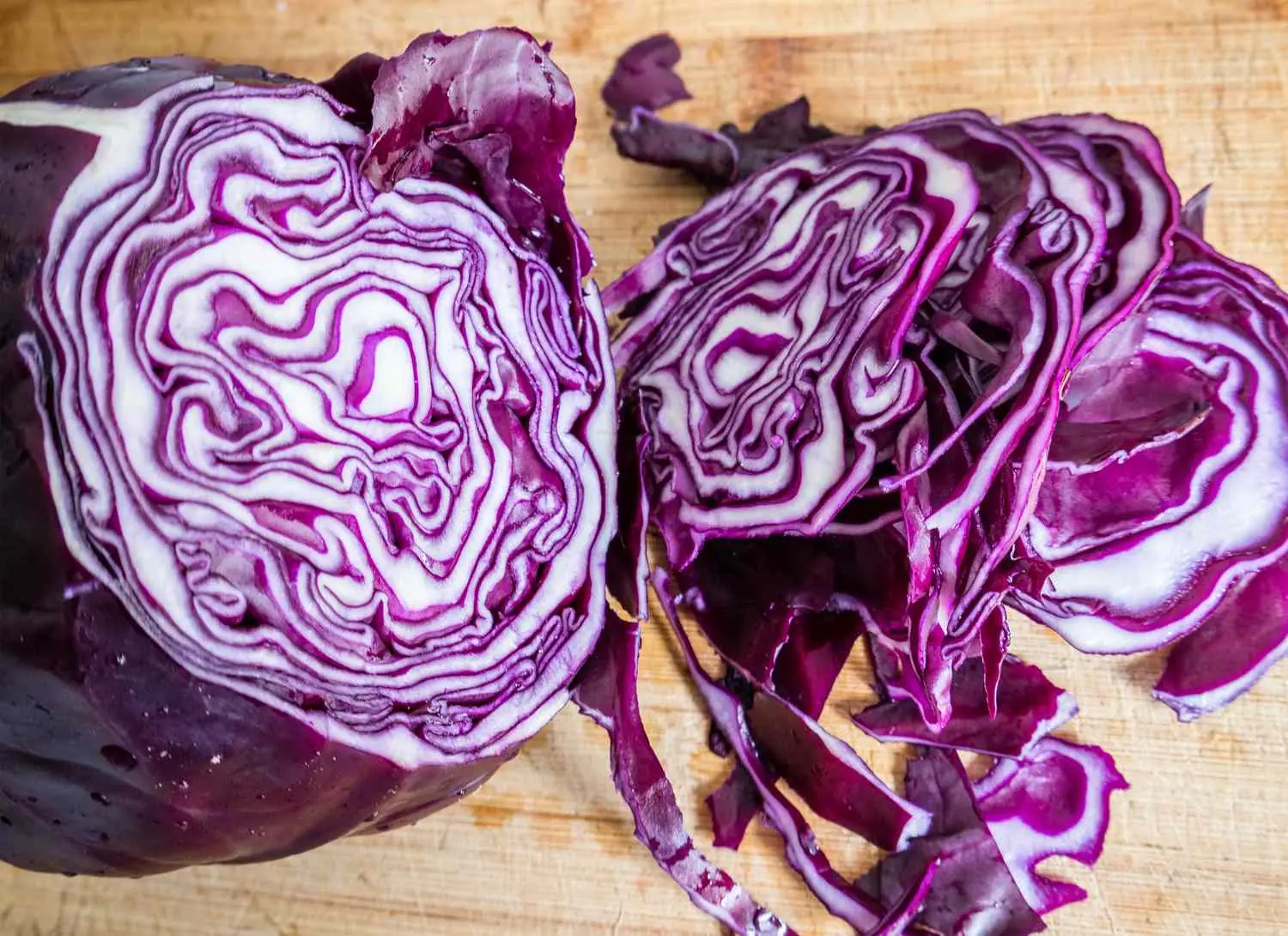
You Won’t Believe What Eating Red Cabbage Does to Your Body…

Try eating pineapple every day — here’s what you might notice
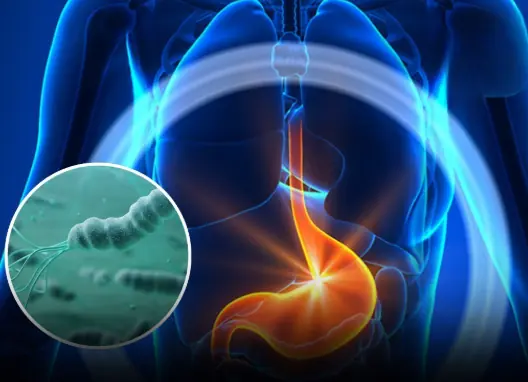
This woman (38 years old) was hospitalized with continuous weight loss and bloody stools. After the doctor performed an endoscopy, Ms. H. was shocked to receive the results of acute gastric ulcer, caused by H.P. infection.

Your body needs water: 10 signs you could be dehydrated

Are you searching for a natural remedy to support your health and reduce reliance on medications? Struggling with knee pain, swollen feet, high blood pressure, cholesterol, poor circulation, or anemia can be exhausting.

10 warning signs of gluten sensitivity you shouldn’t ignore

Age spots explained: what’s normal and when you should get them checked
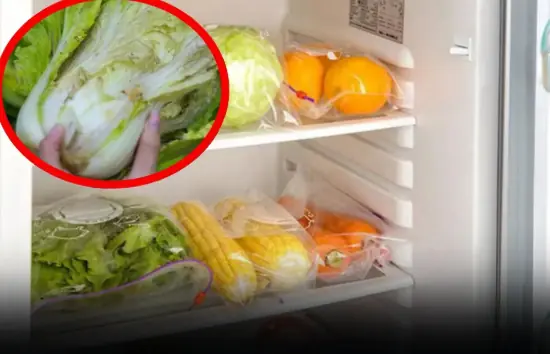
Many individuals unknowingly set their refrigerator’s temperature incorrectly, which can cause vegetables to lose freshness and wilt prematurely.

Heart attacks are often described as sudden medical emergencies, yet in many cases, the body sends warning signs long before the event occurs.

From Hiding in Fear to Living in Comfort: The Story of a Kitten Saved by Kindness
5 Types of Meat You Should Never Eat Raw — And the Dangerous Bacteria and Parasites Lurking Inside
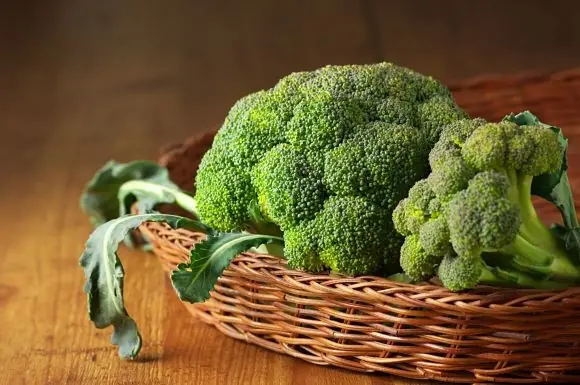
10 foods that could contribute to reducing the risk of can.cer

7 Quiet Symptoms That Signal Heart Trouble — Pay Attention
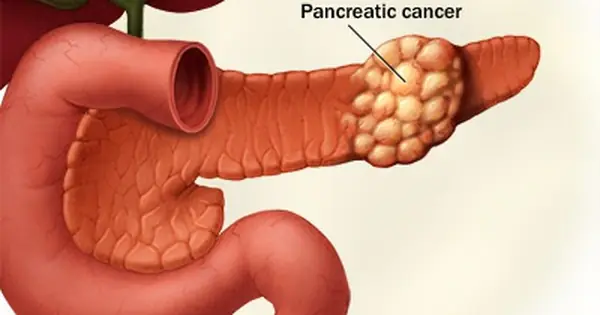
Pancreatic can.cer: the key symptoms and signs you shouldn’t ignore

Cooler Nights, Better Sleep: 6 Surprising Benefits (And the Fan Myth Explained)

Why a cat might disappear and never return home?
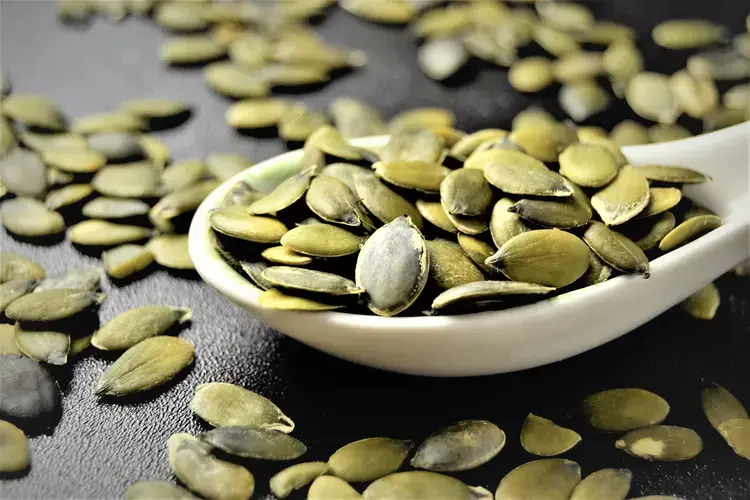
Pumpkin seeds side effects: what happens if you eat too many?
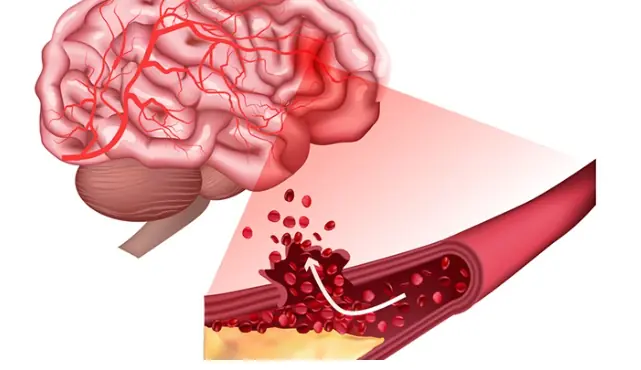
Silent strokes often go unnoticed, but these small daily habits could protect your brain.
Eating tofu regularly could change your body in unexpected ways…
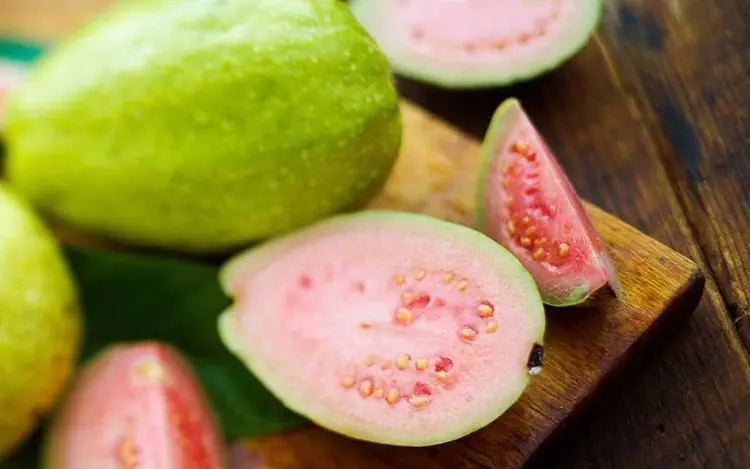
Doctors warn: eating guava could have unexpected effects… Read more

When we think of rare physical traits, we usually imagine certain striking features that immediately draw attention.