Try these for perking up your mood, helping control cholesterol levels, easing a queasy stomach and relieving a cough

While some herbs simply boost the flavor of the food you cook, others can go beyond that to boost your health. “The term ‘herb’ has a fuzzy definition,” says Michael Castleman, author of The New Healing Herbs. “What we call medicinal herbs contain chemical compounds in them that have drug-like effects." Be careful with taking these herbs as supplements in pill form, as some are linked to side effects and medication interactions, and always talk to your doctor before taking any supplement. Here we’ll tell you about how to use some of these fresh and dried herbs.
1. Basil
If you thought basil was meant only for making pesto or sprinkling on pizza, think again. Basil is the family name of more than 100 different species. Two of its best-known varietals are sweet basil and holy basil. Researchers who studied sweet basil found that it could help control blood pressure and that its fragrance eased stress and relieved anxiety. Clinical trials focused on holy basil found that participants experienced reduced stress, anxiety, sexual problems and depression. Both studies were done in a lab, however, so the benefits may not translate to at-home use.
Tip: As with other fresh herbs, add basil late in cooking; it loses its flavor if cooked too long.
2. Dill
Dill is known for its feathery foliage and seeds, and both are used in pickling and cooking. The seeds spice up pickles, flavor borscht and complement fish. Dill has far more going for it than that, however. Researchers at Penn State University recruited 71 men and women with risk factors for heart disease and provided daily meals seasoned with about a teaspoon of added herbs and spices, including dill. After 12 weeks, the participants had both lower systolic (upper number) and diastolic (lower number) blood pressure.
Tip: If you want to get rid of bad breath, chew a handful of dill seeds
3. Garlic
Although widely used as both an herb and a spice, garlic — a member of the lily family — is botanically a vegetable. Its pale yellow flesh has been hailed for its ability to fight off the common cold. (Though research hasn’t caught up with grandmother’s advice.) Some research has found garlic helps reduce blood pressure and prevent hardening of the arteries.
Tip: To activate its health-promoting compounds, chop or crush garlic five to 10 minutes before cooking or adding to other ingredients.
4. Ginger
Some call ginger an herb, others a spice, but no matter what you call it, it’s got a slew of impressive health benefits. Research has found that ginger can ease the pain of knee osteoarthritis, quell the queasiness of motion sickness and seasickness, improve muscle recovery after exercise and reduce high cholesterol. Ginger may even helps at the dentist’s office. Patients who had an impacted molar removed found powdered ginger as effective as ibuprofen in controlling pain after surgery.
Tip: The juice left from grating ginger has a lot of flavor. Save the juice and include it in your recipe, recommends Cooks Illustrated.
Sign up for the latest health news, fitness and nutrition updates and more!
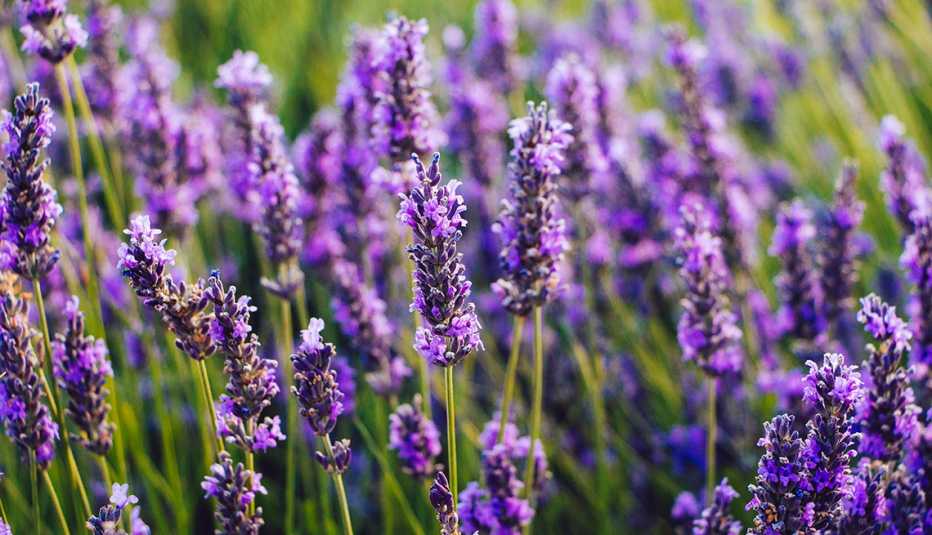
5. Lavender
Although it’s an edible herb, most research on lavender focuses on its fragrance. The scent of lavender, a member of the mint family, can relieve anxiety, improve sleep and melt away irritability and stress, according to several studies. Trying to fall asleep? A small bag of lavender blossoms slipped under your pillow at night calms the nervous system by lowering blood pressure and heart rate, relaxing you enough to lull you to sleep.
Tip: If you want to use lavender as a cooking or cake-decorating herb, be sure it’s designated as culinary grade. Start out with a small amount; lavender can overpower a dish if you use too much.Work & Finances
6. Lemon balm
The wrinkled heart-shaped leaves of this perennial herb were used as far back as the Middle Ages to reduce stress, relieve anxiety and provide a good night’s sleep. It seems to work as well now as it did then. Lemon balm can bring on a feeling of calmness and lift a feeling of negativity, according to a study in the journal Psychosomatic Medicine. Combined with other soothing herbs such as valerian and chamomile, it can promote relaxation.
Tip: This minty herb can help heal cold sores and relieve itchy bug bites. Soak 2–4 teaspoons of crushed leaves in a cup of boiling water for 10 minutes. Cool. Use cotton balls to dab the tea on the sores throughout the day.
7. Oregano
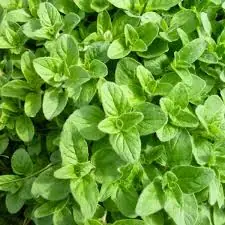
Its minty flavor and aroma make oregano a winner when it comes to flavoring everything from tomatoes to potatoes. Along with bringing out the best in food, oregano offers some useful health benefits. The leaves are rich in carvacrol, a compound that has proved effective against norovirus, a highly contagious stomach bug. In addition, oregano tea can help boost the immune system and help the body fight infections.
Tip: To make oregano tea, mash the leaves of a sprig of oregano in a mug, pour in a cup of boiling water, let steep for five minutes, remove the leaves, add lemon juice and honey to taste. Enjoy!
8. Rosemary
Rosemary is a rich source of several antioxidants and anti-inflammatory compounds that may boost the immune system and improve circulation. This piney herb also contains naturally occurring chemicals that can help keep blood sugar in check, important in controlling diabetes. Carnosic acid, an antioxidant abundant in rosemary, helps protect brain cells from age-related changes such as deteriorating verbal skills and increased difficulty in learning new information, says Chris D’Adamo, director of the Center for Integrative Medicine at the University of Maryland. He adds that rosemary contains other compounds that may also contribute to improved memory.
Tip: Rosemary has an assertive flavor, so go easy when you add it to food.
9. Sage
Sage, an evergreen shrub, is a member of the mint family. Its distinctive velvety leaves have a minty, cool fragrance. According to a study in the Journal of Traditional and Complementary Medicine, sage tea has been customarily used to treat bronchitis, cough, asthma and more. One study concludes that sage can help memory and elevate mood and alertness. As if that’s not enough, it some research has found that drinking sage tea improves levels of cholesterol and triglycerides among people with type 2 diabetes.