The Vegetable That Helps Reduce Blo.od Sugar: A Powerful Ally Against Diabetes
When it comes to managing blood sugar naturally, one simple and widely available food stands out—beans.
Often overlooked, beans are considered by many health experts to be one of the most effective foods for supporting blood sugar control, especially for people living with or at risk of diabetes.
Why Beans Are So Effective for Blood Sugar Control
Beans are highly recommended because of their unique nutritional profile.
They contain:
- Low glycemic index (GI)
- High fiber content
- A balanced combination of carbohydrates and plant-based protein
This combination helps slow down the absorption of sugar into the bloodstream, preventing sudden spikes in blood glucose levels.
Because of this effect, beans are sometimes referred to as a natural “sugar regulator” in the body.
How Beans Help Stabilize Blood Sugar
The key lies in their soluble fiber.
This type of fiber:
- Slows digestion
- Reduces the rate at which sugar enters the blood
- Helps lower insulin spikes
As a result, blood sugar levels remain more stable after meals—an important factor in managing diabetes.
Rich in Essential Nutrients
Beyond blood sugar control, beans are packed with nutrients that support overall health, including:
- Vitamin B
- Potassium
- Magnesium
- Calcium
- Iron
These nutrients help support the immune system, muscle function, and energy production, making beans a highly nutritious addition to daily meals.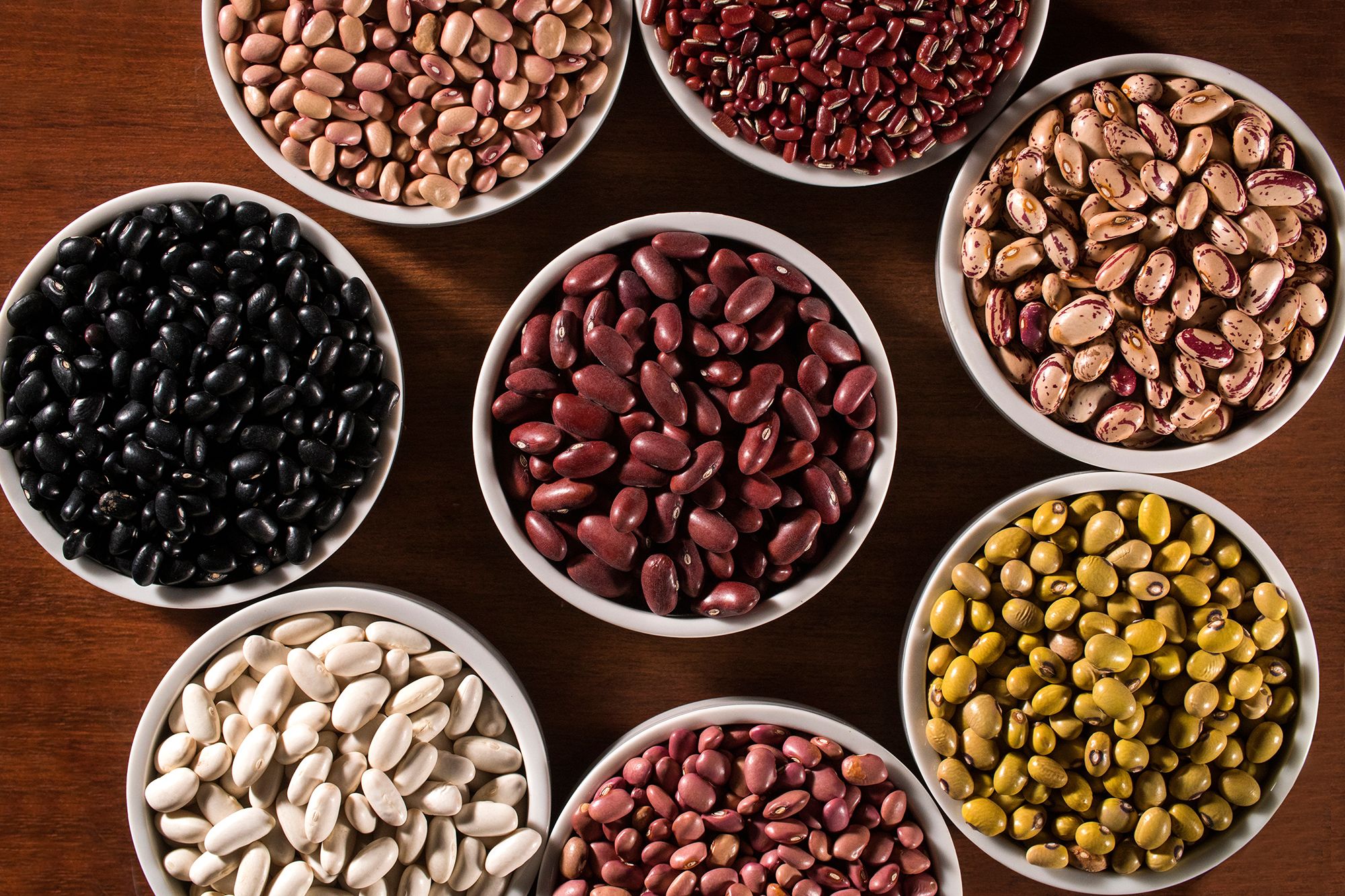
Versatile and Easy to Include in Your Diet
One of the biggest advantages of beans is their versatility.
They can be consumed in many forms:
- Fresh
- Dried
- Frozen
- Canned
They can also be added to soups, salads, or main dishes, making them suitable for any meal of the day.
Nutrition guidelines often suggest consuming around 3 cups of beans per week as part of a healthy diet.
Other Vegetables That Support Blood Sugar Control
In addition to beans, the article also highlights other vegetables that may help regulate blood sugar levels:
- Broccoli: Rich in chromium and fiber
- Spinach: Contains magnesium for insulin function
- Cauliflower: Includes compounds that support glucose control
- Carrots: Low GI despite natural sweetness
- Zucchini: Low in carbs and high in water
- Green beans: May help reduce blood sugar
- Kale: Packed with antioxidants
These vegetables are generally low in carbohydrates and high in nutrients, making them ideal for people managing blood sugar.

Conclusion
Beans may seem like a simple, everyday food, but they offer powerful benefits when it comes to blood sugar control.
Thanks to their high fiber content, low glycemic index, and rich nutritional value, they can play an important role in a balanced diet—especially for those concerned about diabetes.
Sometimes, the most effective solutions are also the simplest ones.