8 Early Warning Signs of Ovarian Cancer Many Women Overlook
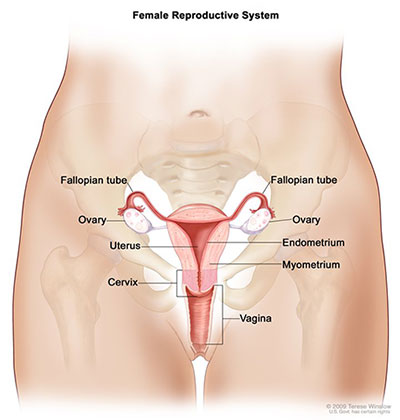
Ovarian cancer is often called a “silent disease” — not because it has no symptoms, but because the signs are usually subtle, vague, and easy to ignore. Many people mistake them for digestive issues, hormonal changes, or everyday fatigue.
Understanding these early signals can make a critical difference, because early detection significantly improves outcomes.
Why Ovarian Cancer Is Often Missed

Unlike some cancers, ovarian cancer:
- Doesn’t always cause obvious lumps
- Develops deep داخل the abdomen
- Shares symptoms with common conditions (like IBS or PMS)
That’s why awareness of persistent, unusual changes is key.
1. Persistent Bloating
This isn’t occasional bloating after a heavy meal.
Warning sign:
- Feeling bloated almost daily
- Abdomen looks or feels swollen
- Doesn’t go away with diet changes
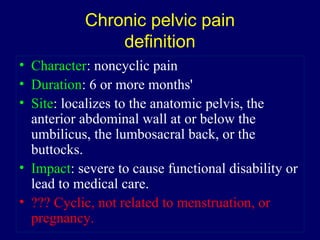
2. Pelvic or Lower Abdominal Pain

 4
4
Pain that:
- Feels dull, constant, or pressure-like
- Occurs frequently (not just during menstruation)
- Lasts for weeks
3. Feeling Full Quickly (Early Satiety)
Eating small amounts but feeling:
- Unusually full
- Unable to finish normal meals
This can be linked to pressure from abdominal changes.
4. Changes in Urination
You may notice:
- Frequent urge to urinate
- Feeling like you can’t fully empty your bladder
These symptoms can happen when something presses on the bladder.
5. Unexplained Fatigue
Persistent tiredness that:
- Doesn’t improve with rest
- Feels different from normal fatigue
6. Changes in Bowel Habits


 4
4
Such as:
- Constipation
- Diarrhea
- Irregular bowel movements
Again, easily mistaken for digestive issues.
7. Unexplained Weight Loss or Gain
- Sudden weight loss without trying
- Or abdominal weight gain due to fluid buildup
8. Menstrual Changes or Unusual Bleeding
- Irregular cycles
- Bleeding between periods
- Postmenopausal bleeding
When Should You Be Concerned?
The key factor is persistence.
Doctors often use this rule:
If symptoms occur more than 12 times per month and are new, they should be evaluated.
Who Is at Higher Risk?


 4
4
Risk factors include:
- Family history of ovarian or breast cancer
- BRCA1/BRCA2 gene mutations
- Age (higher risk after menopause)
- Never having been pregnant
What You Can Do
- Don’t ignore persistent symptoms
- Track changes in your body
- Schedule regular gynecological checkups
- Seek medical advice early
Final Takeaway
The phrase “women ignore” isn’t about blame — it’s about awareness.
These symptoms are often dismissed because they seem minor. But your body rarely sends signals without reason.
Listen to patterns, not isolated moments.
Because when it comes to ovarian cancer,
early attention can truly save lives.