Diagnosed with Cancer at 40, Yet Lived to 106: What Can We Really Learn from Song Meiling’s Story?
The story of a woman diagnosed with cancer in her forties yet living beyond a century is undeniably powerful. It sparks curiosity, hope, and even a desire to uncover “the secret.” Was it a miracle food? A special lifestyle? Or something deeper?
Before diving into the idea of a “miracle vegetable” or “cheap drinks that prevent cancer,” it’s important to separate inspiration from misinformation. Longevity and cancer survival are complex, influenced by a combination of genetics, medical care, lifestyle, and environment — not a single food item.
Let’s unpack this in a grounded, evidence-based way.
Who Was Song Meiling?
 4
4
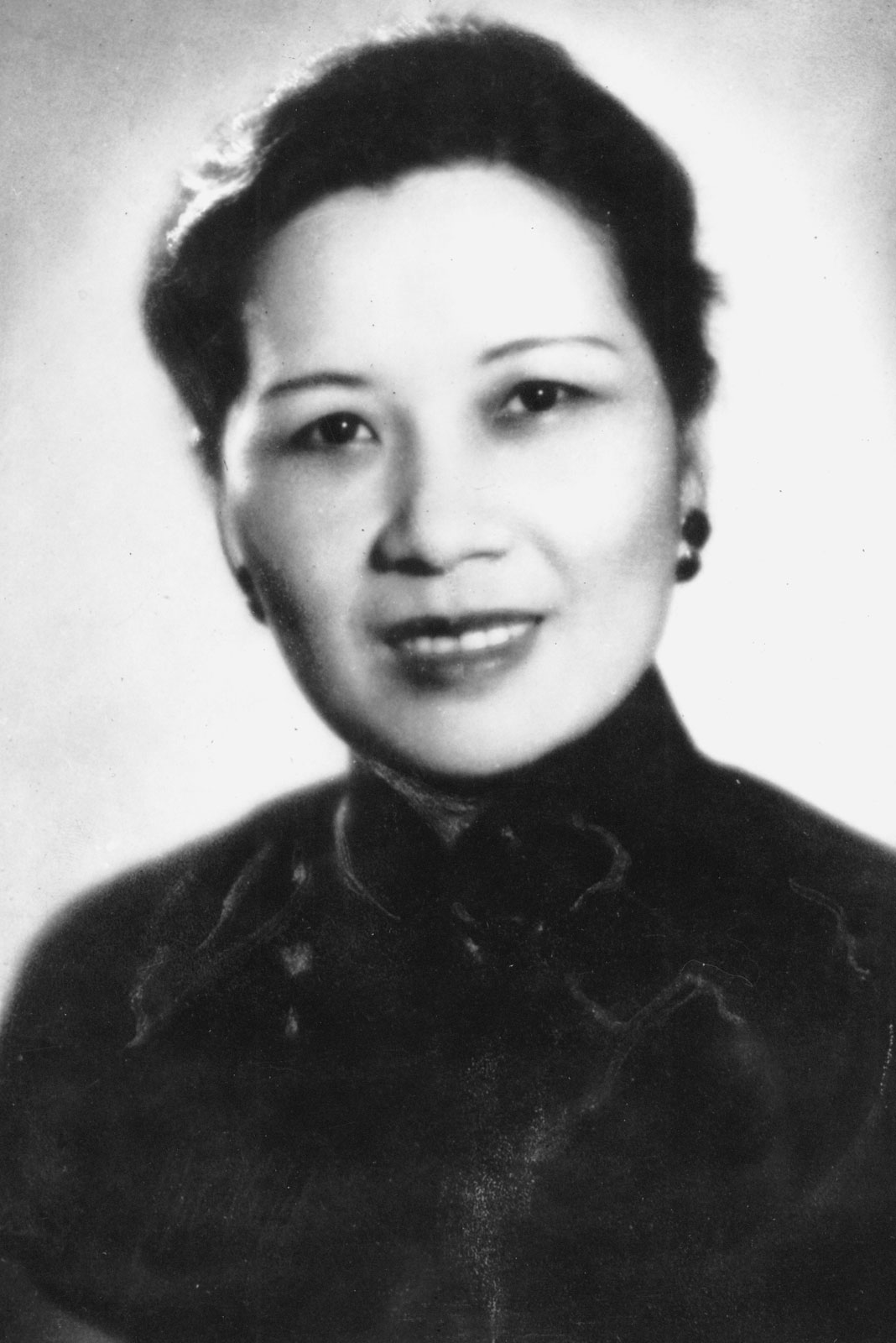
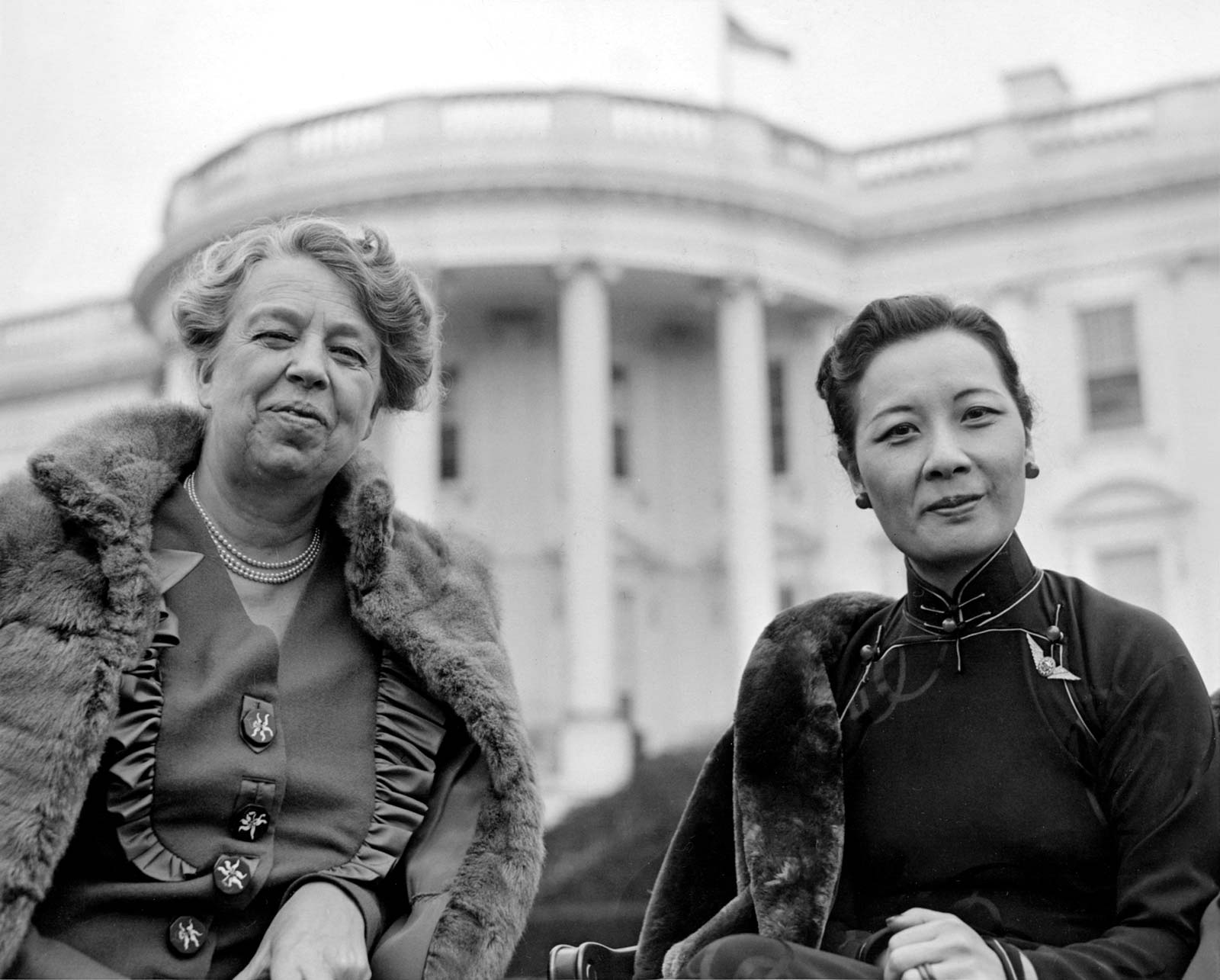
Song Meiling (Madame Chiang Kai-shek) was a prominent political figure and one of the most influential women in modern Chinese history. She lived to the remarkable age of 106, which often leads people to search for the “secret” behind her longevity.
While stories online claim she overcame cancer at 40 and relied on specific foods, there is no strong scientific evidence supporting a single dietary “cure” or prevention method responsible for her lifespan.
The Myth of “1 Vegetable Preventing 6 Types of Cancer”
Let’s be real: no single vegetable can prevent multiple cancers on its own.
However, certain vegetables are known to reduce cancer risk when part of a balanced diet. One commonly referenced group is cruciferous vegetables, including:
- Broccoli
- Cabbage
- Kale
- Cauliflower
These vegetables contain compounds like sulforaphane, which may help:
- Neutralize carcinogens
- Reduce inflammation
- Support detoxification pathways
But here’s the key point:
They support prevention — they don’t guarantee it.
Cancer is influenced by:
- Genetics
- Environmental exposure
- Lifestyle habits (smoking, alcohol, stress)
- Access to healthcare
No single food overrides all of these factors.
What About the “3 Cheap Drinks”?
Online claims often mention simple drinks that supposedly “fight cancer.” While some beverages are beneficial, they should be understood correctly:
1. Green Tea
Rich in antioxidants like EGCG, which may help protect cells from damage.
2. Lemon Water
Provides vitamin C and supports hydration — but it is not a detox miracle.
3. Herbal Infusions (e.g., ginger or turmeric tea)
Contain anti-inflammatory compounds that support general health.
Important: These drinks contribute to wellness but do not replace medical treatment or screening.
What Actually Contributes to Longevity?


 4
4
If we look at people who live past 100, patterns start to emerge. Longevity is rarely about one “secret” — it’s about consistency across multiple areas:
1. Balanced Nutrition
A diet rich in:
- Vegetables
- Fruits
- Whole grains
- Healthy fats
2. Regular Physical Activity
Even light daily movement improves circulation, metabolism, and mental health.
3. Stress Management
Chronic stress is linked to inflammation and disease progression.
4. Access to Healthcare
Early detection and treatment are critical, especially for cancer.
5. Social Connection and Purpose
People who maintain relationships and a sense of purpose tend to live longer.
Cancer Prevention: What Science Actually Says
Rather than focusing on viral claims, here’s what research consistently supports:
- Avoid tobacco (largest preventable cause of cancer)
- Maintain a healthy weight
- Eat a plant-rich diet
- Limit processed foods and red meat
- Exercise regularly
- Get screened early
These strategies significantly reduce risk — not eliminate it entirely, but meaningfully lower it.
Why These Viral Claims Spread So Fast
The idea that “one vegetable can prevent six cancers” is appealing because it simplifies a complicated reality. People naturally want:
- Easy solutions
- Affordable fixes
- Clear answers
But health doesn’t work like a shortcut system.
Complex problems require layered solutions.
Final Takeaway
The story of living to 106 after a cancer diagnosis is inspiring — but the takeaway should not be reduced to a single vegetable or a few drinks.
Instead, the real “secret” is this:
Long-term health is built on consistent habits, not miracle claims.
Use these stories as motivation, not as literal formulas. Focus on sustainable lifestyle choices, stay informed, and prioritize evidence-based care.
Because in the end, there is no shortcut to health — only smarter, informed decisions over time.