How Does Your Body Change When You Drink a Cup of Coffee Every Day?
Coffee isn’t just a morning ritual — it’s a biochemical experience that affects nearly every system in your body. That single cup can sharpen your mind, influence your metabolism, and even impact long-term health. But like anything, the effects depend on how much, when, and how your body responds.
Let’s break it down clearly — what actually happens inside your body when coffee becomes a daily habit.
What Happens Right After You Drink Coffee


 4
4
Within 15–45 minutes, caffeine enters your bloodstream and starts working fast:
- Blocks adenosine (the chemical that makes you feel sleepy)
- Increases dopamine and norepinephrine (boosting mood and focus)
- Stimulates the central nervous system
Result: You feel more alert, focused, and awake — that “coffee kick” is real, not placebo.
1. Your Brain Becomes Sharper (Short-Term Boost)
Daily coffee drinkers often experience:
- Improved concentration
- Faster reaction time
- Better mood
Caffeine enhances neural activity, which is why it’s commonly used before studying or working.
But here’s the catch:
Over time, your brain builds tolerance, meaning the same cup may feel less powerful.
2. Your Metabolism Gets a Subtle Lift
Caffeine can:
- Increase metabolic rate by 3–11%
- Stimulate fat breakdown (lipolysis)
- Improve physical performance
That’s why coffee is often included in fat-burning supplements.
Reality check:
It helps — but it’s not a magic weight-loss solution.
3. Your Heart Rate and Blood Pressure May Rise
Coffee stimulates the cardiovascular system:
- Temporary increase in heart rate
- Slight spike in blood pressure
For most healthy people, this is harmless. But if there’s sensitivity to caffeine, symptoms may include:
- Palpitations
- Anxiety
- Restlessness
4. Your Digestive System Speeds Up
Ever notice needing the bathroom after coffee?
That’s because coffee:
- Stimulates stomach acid production
- Activates colon contractions
This can help digestion — but in some cases, it may cause:
- Acid reflux
- Stomach irritation
5. Your Sleep Cycle Can Be Disrupted

 4
4
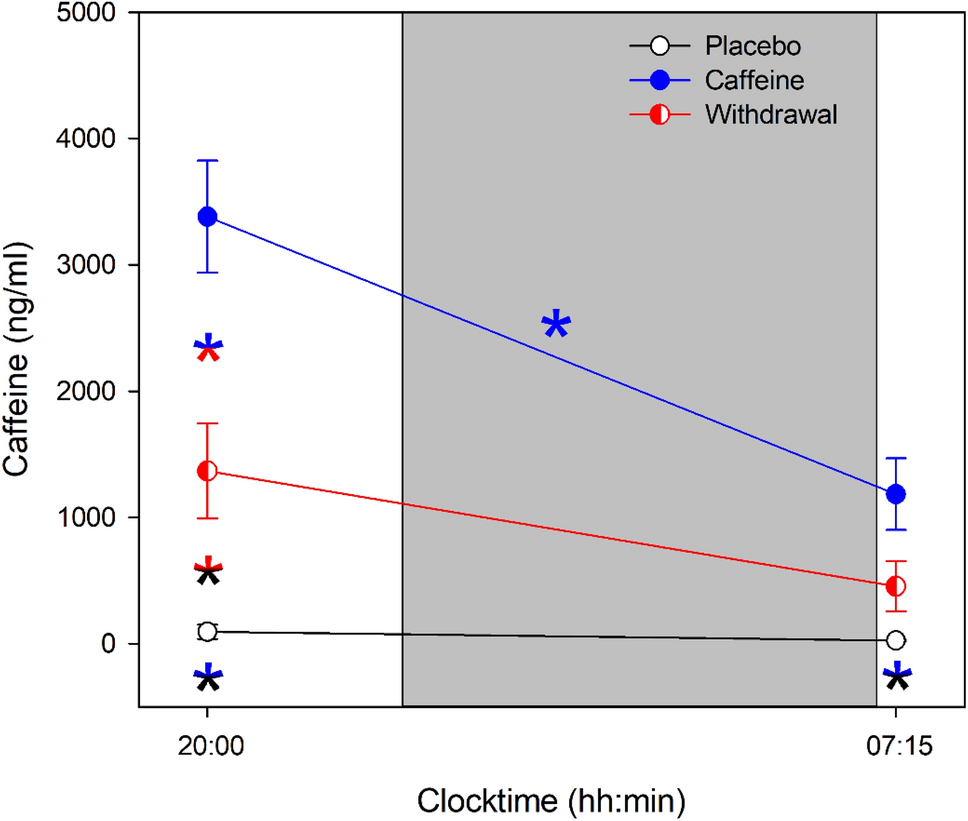
Caffeine has a half-life of 5–7 hours, meaning it stays in your system longer than you think.
Drinking coffee late in the day can:
- Delay melatonin production
- Reduce deep sleep quality
- Cause difficulty falling asleep
Even if you “feel fine,” your sleep architecture may still be affected.
6. Long-Term Effects: The Good Side
When consumed in moderation (about 1–3 cups per day), coffee is linked to several benefits:
- Lower risk of Type 2 diabetes
- Reduced risk of Parkinson’s and Alzheimer’s disease
- Antioxidants that help fight inflammation
- Potential liver protection
Coffee is actually one of the largest sources of antioxidants in many diets.
7. Long-Term Effects: The Not-So-Good Side
Too much coffee can lead to:
- Dependency (you feel off without it)
- Increased anxiety or jitteriness
- Digestive discomfort
- Sleep disturbances
And importantly:
More is not better.
Excess caffeine can push your body into a chronic stress-like state.
How Much Coffee Is “Healthy”?
For most adults:
- 1–2 cups/day: Safe and beneficial
- 3–4 cups/day: Still generally safe, but depends on tolerance
- 5+ cups/day: May increase risk of side effects
Individual sensitivity varies a lot — some people thrive on coffee, others don’t.
Who Should Be Careful?
You may need to limit coffee if:
- Sensitive to caffeine
- Experiencing anxiety disorders
- Pregnant
- Have acid reflux or stomach issues
- Struggle with sleep
Final Takeaway
Drinking a cup of coffee every day can be a net positive — boosting focus, supporting metabolism, and even offering long-term health benefits.
But the key is balance.
Coffee should work for your body, not against it.
Pay attention to how you feel:
- Energized but calm → good balance
- Jittery, anxious, or sleepless → time to adjust
Because at the end of the day, that daily cup isn’t just a habit — it’s a signal your body responds to every single day.