“Doctors reveal that eating okra regularly can cause…” — Really? Let’s unpack the truth
That headline is classic clickbait — it hints that something dangerous is hiding behind a very common, healthy vegetable. But in reality, okra is generally safe and nutritious, and the “can cause…” part is usually exaggerated or taken out of context.
Let’s break it down properly.
What Is Okra and Why People Eat It

 4
4
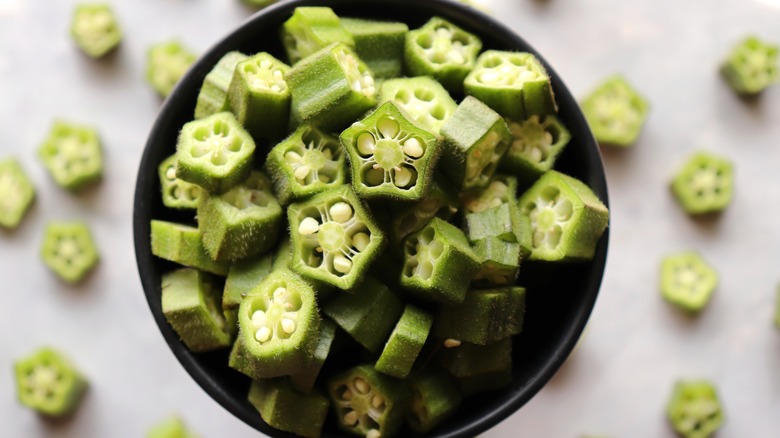
Okra (also called lady’s finger) is rich in:
- Fiber
- Vitamin C and K
- Antioxidants
- Folate
It’s widely used in many cuisines and is actually considered beneficial for digestion and blood sugar control.
So… Can Eating Okra Cause Problems?
Yes — but only in specific situations, not for most people.
1. Digestive Discomfort (In Some People)
Okra contains soluble fiber and mucilage (that slimy texture).
For some individuals, especially those with sensitive digestion:
- Bloating
- Gas
- Mild discomfort
This is similar to many high-fiber foods — not unique to okra.
2. Kidney Stone Risk (If Overconsumed)

 4
4
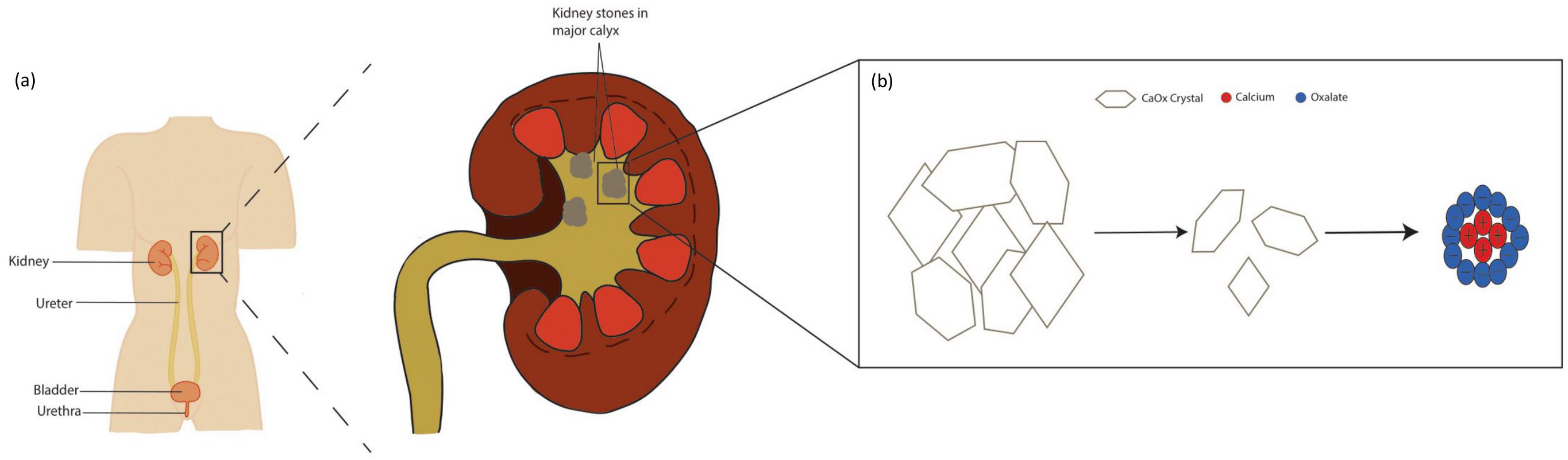
Okra contains oxalates, compounds that can contribute to kidney stones in people who are prone.
Important nuance:
- This applies mainly to people already at risk
- It requires high intake over time
Eating okra normally does NOT automatically cause stones.
3. Interaction with Blood Sugar Medications
Okra may help lower blood sugar.
That sounds good — but:
- If someone is on diabetes medication
- Combining both without monitoring
→ It may lead to blood sugar dropping too low
4. Possible Effect on Blood Clotting
Okra is high in vitamin K, which affects blood clotting.
This matters only if someone:
- Is taking blood-thinning medication
Otherwise, it’s beneficial.
What the Headline Gets Wrong
The phrase “can cause…” makes it sound like:
- Everyone is at risk
- The effect is common
- Okra is dangerous
None of that is accurate.
What Okra Actually Does (For Most People)
 4
4
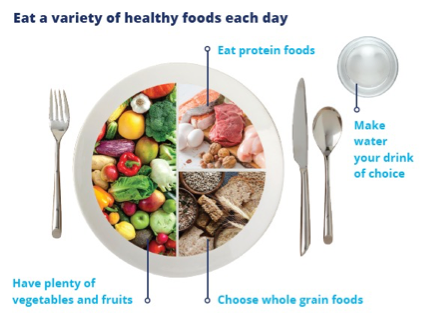
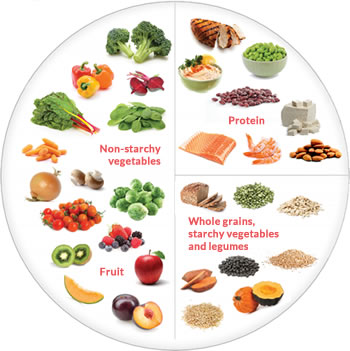
For the majority of people, okra can:
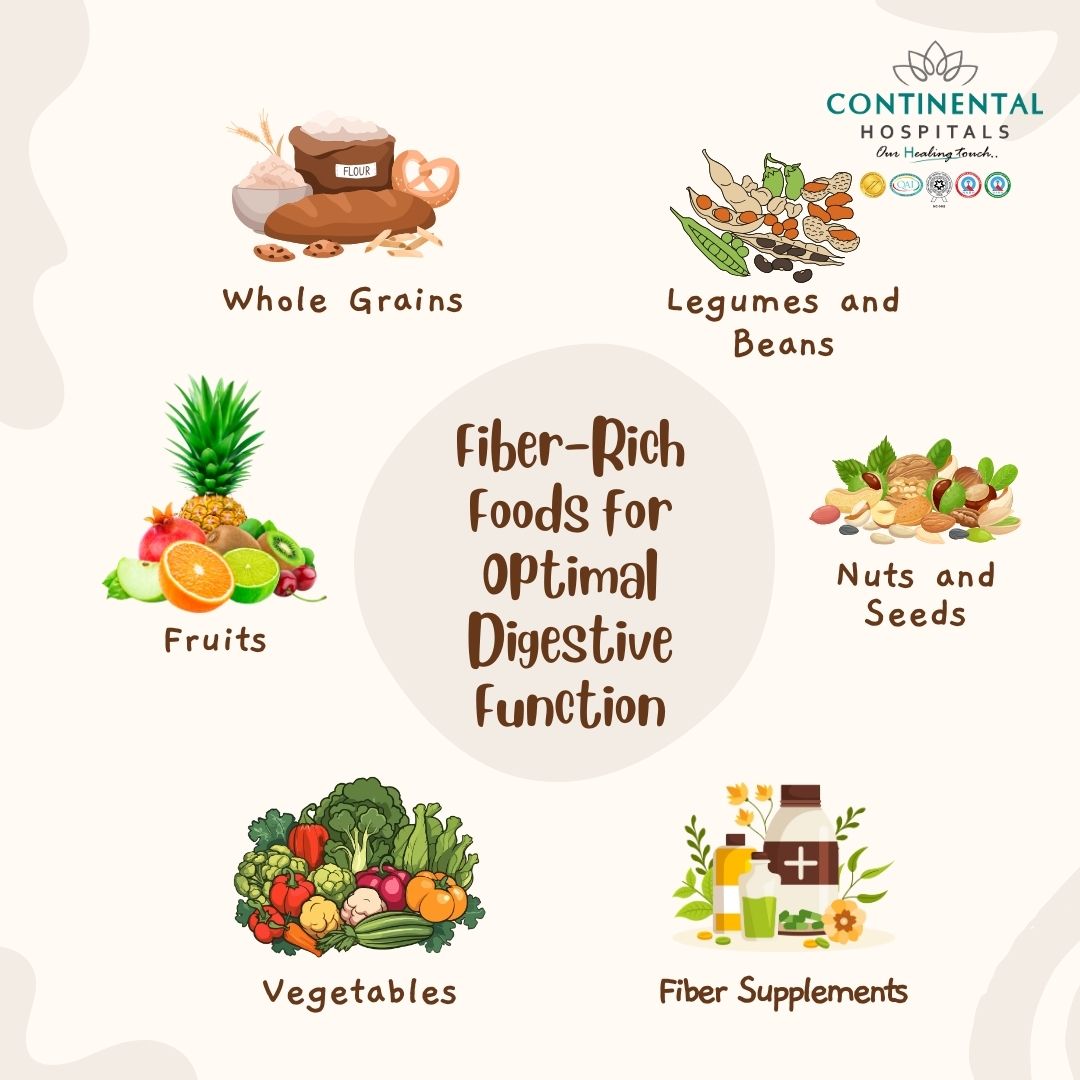
- Support digestion
- Help regulate blood sugar
- Provide antioxidants
- Contribute to heart health
So Should You Eat Okra or Avoid It?
Eat it normally if:
- You are healthy
- You don’t have kidney stone issues
- You tolerate fiber well
Be cautious if:
- You have a history of kidney stones
- You’re on specific medications (diabetes, blood thinners)
- You notice digestive discomfort
Final Takeaway
The scary headline is misleading by omission.
The real truth:
Okra is a healthy food — but like anything, context matters.
It’s not about avoiding one vegetable…
It’s about understanding how your body responds.
Because in nutrition, the real risk isn’t one food —
it’s imbalance.