“One Month Before a Heart Attack, Your Body Will Warn You?” — Here’s the Real Truth About Early Signs
That headline sounds precise — like your body follows a countdown and gives you a clear 30-day warning. But medically, it doesn’t work that way.
Heart attacks don’t follow a fixed timeline. However, many people do experience warning signs days or weeks before, and recognizing them early can be life-saving.
Let’s break this down clearly — what’s real, what’s exaggerated, and what to actually watch for.
How a Heart Attack Develops

 4
4
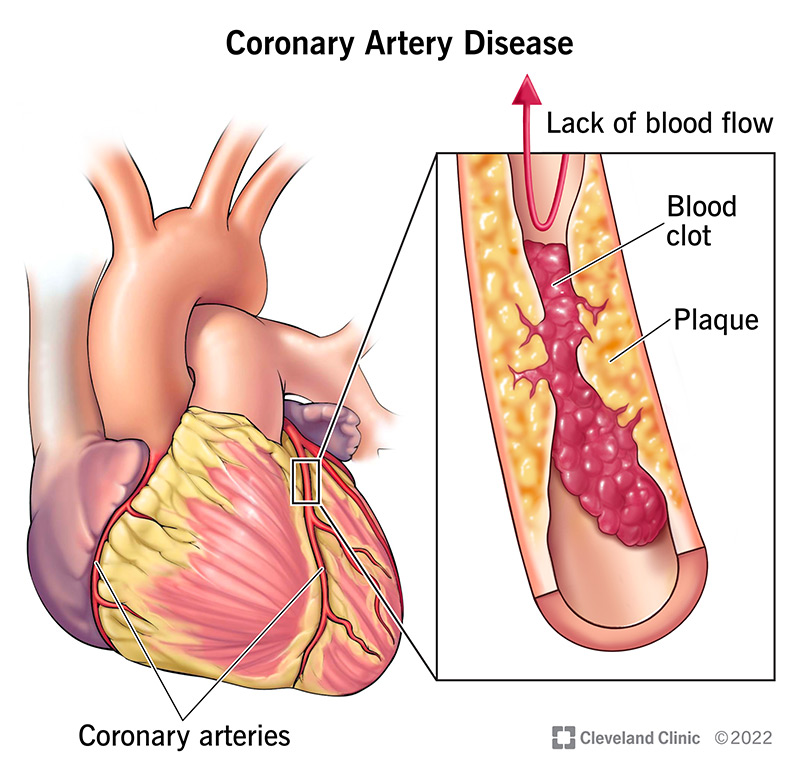
A heart attack (myocardial infarction) usually happens when:
- Plaque builds up in arteries over time
- A plaque ruptures
- A blood clot suddenly blocks blood flow
- Heart muscle is deprived of oxygen
This process can be silent — until symptoms appear.
7 Warning Signs That May Appear Before a Heart Attack
These are not guaranteed — but they are commonly reported in the weeks leading up to an event.
1. Unusual Fatigue
Feeling extremely tired without clear reason, even after rest.
- Common in both men and women
- Can appear weeks earlier
2. Shortness of Breath


 4
4
You may notice:
- Difficulty breathing during light activity
- Feeling winded more easily than before
3. Swelling in Feet or Ankles
The image highlights this — and it’s relevant.
- Fluid buildup (edema)
- Can signal poor circulation or heart strain
4. Chest Discomfort (Not Always Pain)
It might feel like:
- Pressure
- Tightness
- Burning
Sometimes mild and easy to ignore.
5. Pain in Other Areas

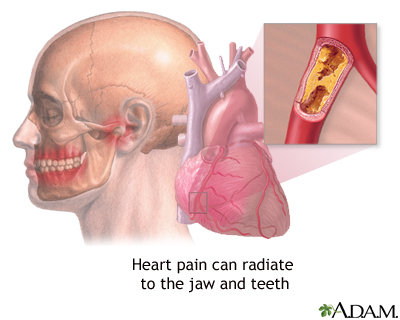

Pain may spread to:
- Left arm
- Jaw
- Neck
- Back
This is called referred pain.
6. Dizziness or Lightheadedness
- Feeling faint
- Sudden imbalance
- Reduced blood flow to brain
7. Cold Sweats or Nausea


 4
4
You might experience:
- Unexplained sweating
- Nausea
- A sense of unease
Important Reality Check
- Not everyone has warning signs
- Some heart attacks happen suddenly
- Symptoms vary widely between individuals
So the idea of “exactly one month before” is misleading.
When Should You Act Immediately?
Seek urgent medical help if you have:
- Chest pressure lasting more than a few minutes
- Pain spreading to arm, jaw, or back
- Severe shortness of breath
- Cold sweats + nausea
Don’t wait. Minutes matter.
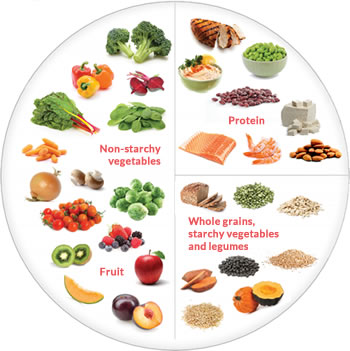
What You Can Do to Reduce Risk

 4
4
- Control blood pressure and cholesterol
- Exercise regularly
- Eat a balanced diet
- Avoid smoking
- Manage stress
Final Takeaway
Your body doesn’t run on a countdown timer —
but it often sends subtle signals before serious heart problems occur.
The key isn’t fear. It’s awareness.
Because recognizing these patterns early can mean the difference between
prevention… and emergency.