Why You Might Need to Poop Right After Eating — Explained by a Doctor
Have you ever noticed that immediately after finishing a meal, your body signals you need to use the bathroom? While this can feel surprising or even inconvenient, it’s actually a common phenomenon with several possible explanations.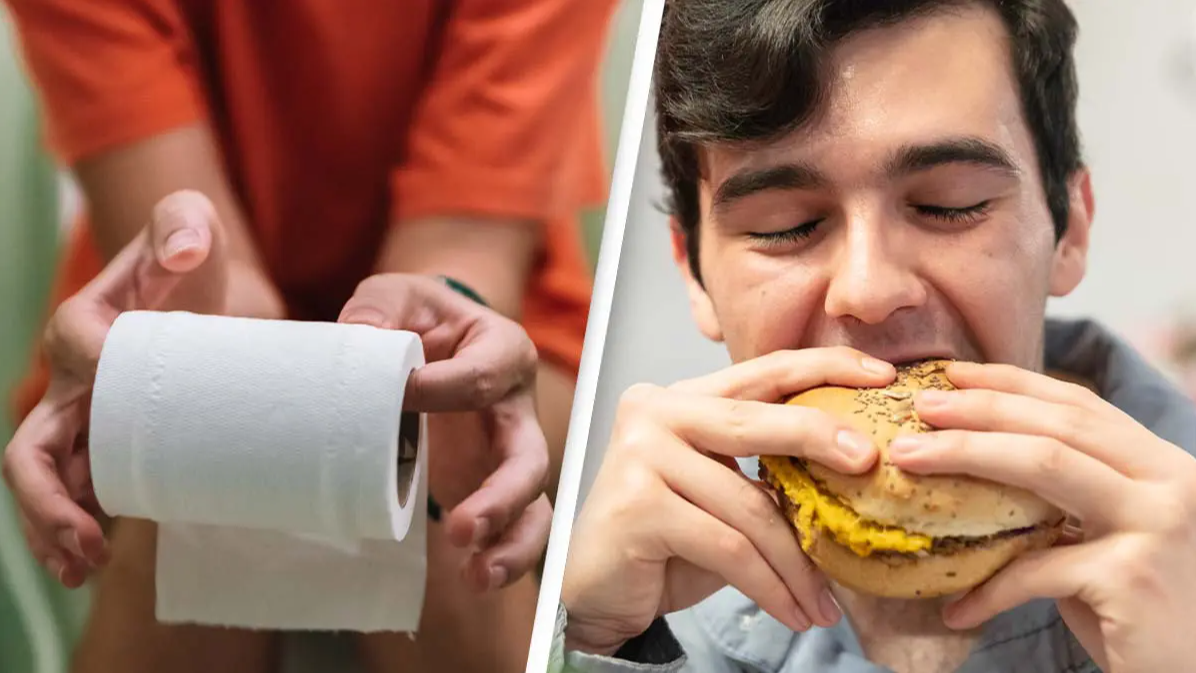
1. The Gastrocolic Reflex
The main reason is something called the gastrocolic reflex. This is a natural response in your digestive system: when your stomach fills with food, it signals your colon to make room by moving its contents along.
- How it works: Stretching of the stomach triggers nerve signals to the colon, causing muscle contractions that push stool toward the rectum.
- Who experiences it more: Some people have a stronger reflex than others, which is why they feel an urgent need to poop soon after eating.
2. Eating Large or High-Fat Meals
Meals that are large, rich in fat, or high in fiber can activate the gastrocolic reflex more intensely. For instance:
- Heavy breakfasts like eggs, bacon, and toast
- Fried foods or meals with high fat content
- Fiber-packed foods like beans, broccoli, or whole grains
These meals can stimulate stronger colonic activity, leading to an urgent need to go.
3. Irritable Bowel Syndrome (IBS)
For some people, frequently needing to poop after eating may be a sign of IBS, a condition that affects how the intestines function.
- Common symptoms include: abdominal cramping, bloating, diarrhea, or constipation.
- Food triggers vary from person to person, but the urge to defecate immediately after meals is a hallmark symptom in many cases.
4. Other Digestive Disorders
Occasionally, this symptom may indicate other digestive issues such as:
- Inflammatory bowel disease (IBD) – including Crohn’s disease or ulcerative colitis
- Food intolerances – for example, lactose intolerance
- Infections – certain bacterial or viral infections can speed up digestion
If this happens regularly or is accompanied by pain, blood, or sudden weight loss, it’s important to consult a doctor.
5. How to Manage It
- Eat smaller, balanced meals: Large meals trigger the reflex more strongly.
- Monitor triggers: Keep a food diary to see which foods intensify the urge.
- Stay hydrated: Water helps your digestive system move smoothly.
- Consult a healthcare professional: Especially if symptoms are new, severe, or persistent.
Final Thoughts
Needing to poop immediately after eating is usually normal and often just your body’s natural digestive rhythm at work. However, if it’s frequent, urgent, or accompanied by other troubling symptoms, it’s wise to speak with a doctor to rule out any underlying conditions.
Remember: listening to your body and understanding its signals is always better than ignoring them.