7 Silent Signs Your Heart Could Be in Trouble — Don’t Ignore These Signals
Heart problems don’t always show up as sudden chest pain. In many cases, the body gives subtle warning signs long before a serious event like a heart attack happens. The challenge is that these signals are often mistaken for everyday fatigue, aging, or minor issues.
Understanding these early signs can help catch problems before they become dangerous.
Why Heart Issues Are Often “Silent”

 4
4
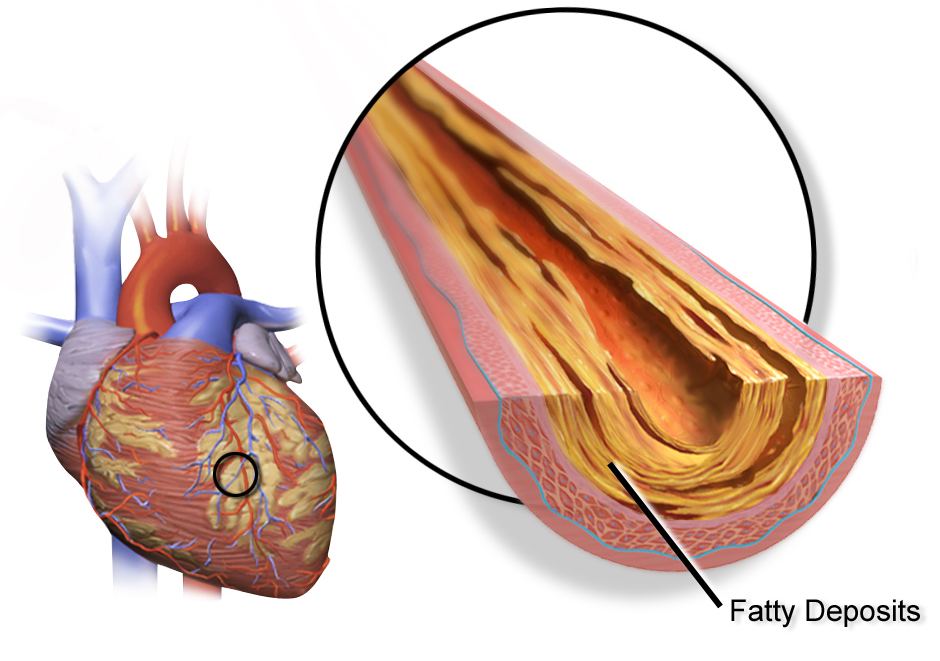
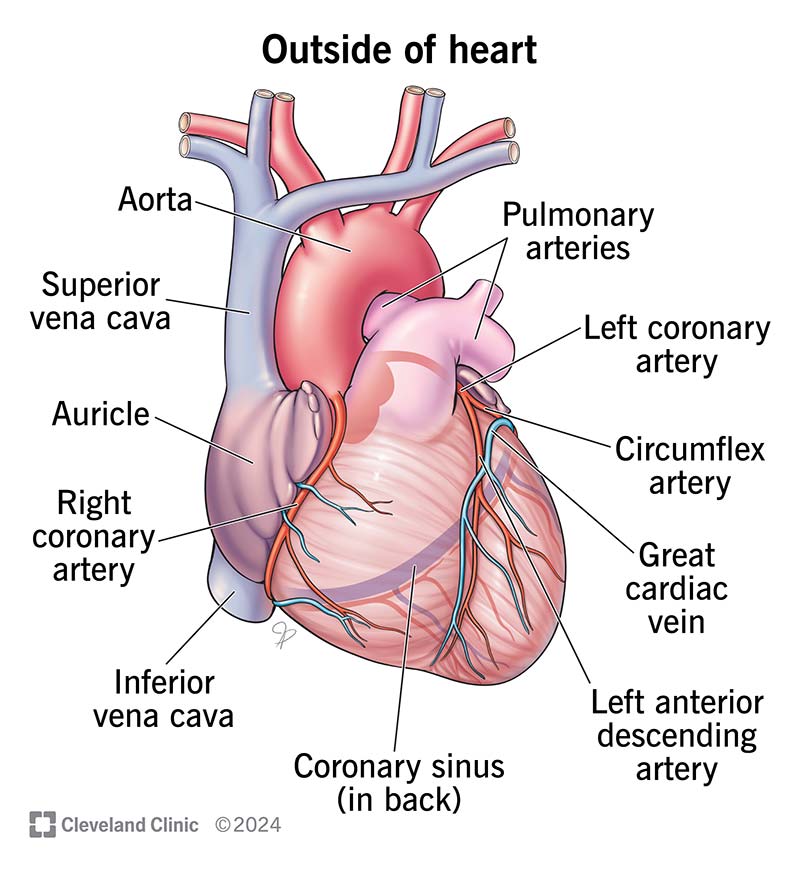
Heart disease develops gradually:
- Arteries narrow due to plaque buildup
- Blood flow becomes restricted
- Oxygen supply to tissues decreases
This process can take years — and symptoms may appear slowly and indirectly.
1. Leg Pain or Cramping (Especially When Walking)
The image highlights pain in the leg — this can be linked to Peripheral Artery Disease (PAD).
Signs include:
- Pain or cramping in calves when walking
- Relief when resting
- Cold or weak legs
This happens because blood flow to the limbs is reduced, which can also signal similar issues in heart arteries.
2. Unusual Fatigue


 4
4
Feeling tired occasionally is normal. But heart-related fatigue is:
- Persistent
- Unexplained
- Not improved by rest
This may indicate the heart isn’t pumping efficiently.
3. Shortness of Breath
Difficulty breathing during:
- Light activity
- Climbing stairs
- Even at rest (in advanced cases)
This can signal reduced heart function or fluid buildup.
4. Chest Discomfort (Not Always Sharp Pain)
Not all heart issues feel like intense pain.
It may feel like:
- Pressure
- Tightness
- Burning sensation
Sometimes mild, but persistent.
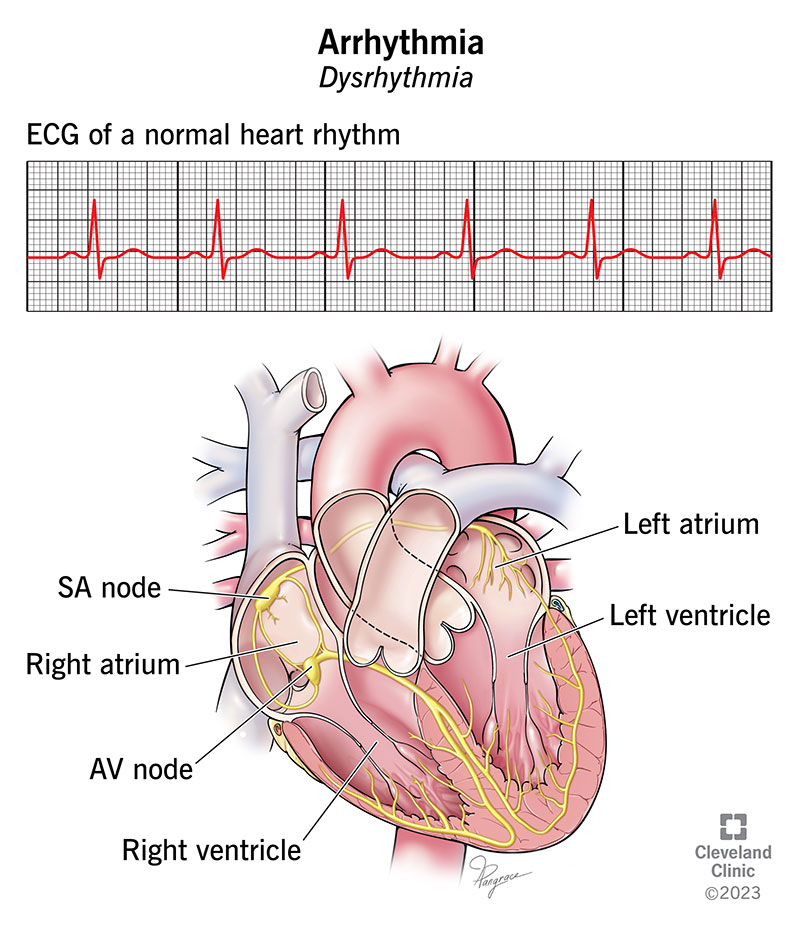
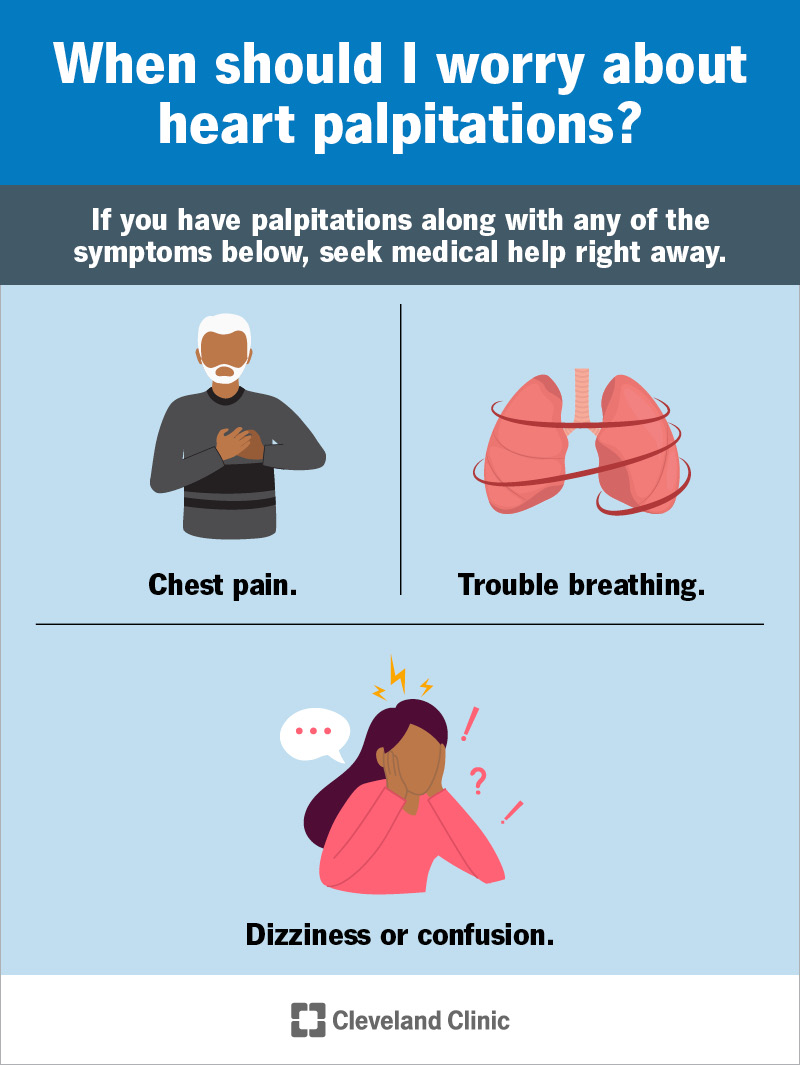
5. Irregular Heartbeat (Palpitations)
 4
4
You might notice:
- Fluttering
- Skipping beats
- Rapid heart rate
Occasional palpitations can be harmless — but frequent episodes need attention.
6. Swelling in Legs, Ankles, or Feet
Fluid retention may cause:
- Puffy ankles
- Tight shoes feeling uncomfortable
- Visible swelling
This can indicate poor circulation or heart failure signs.
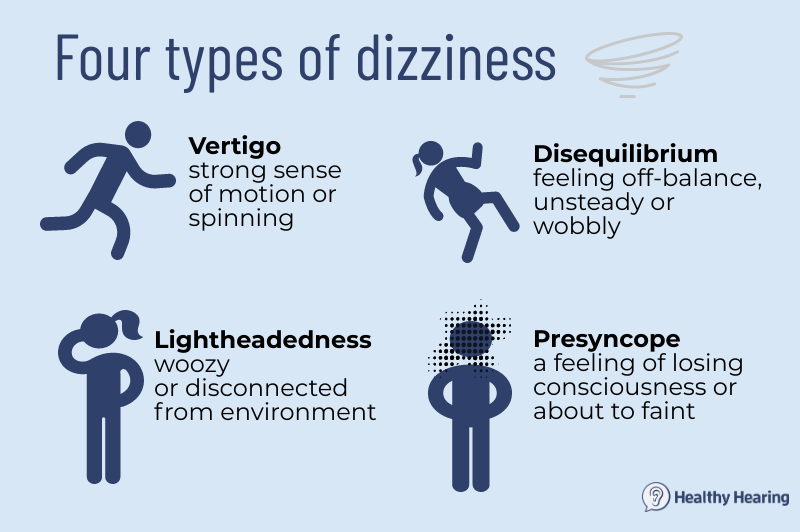
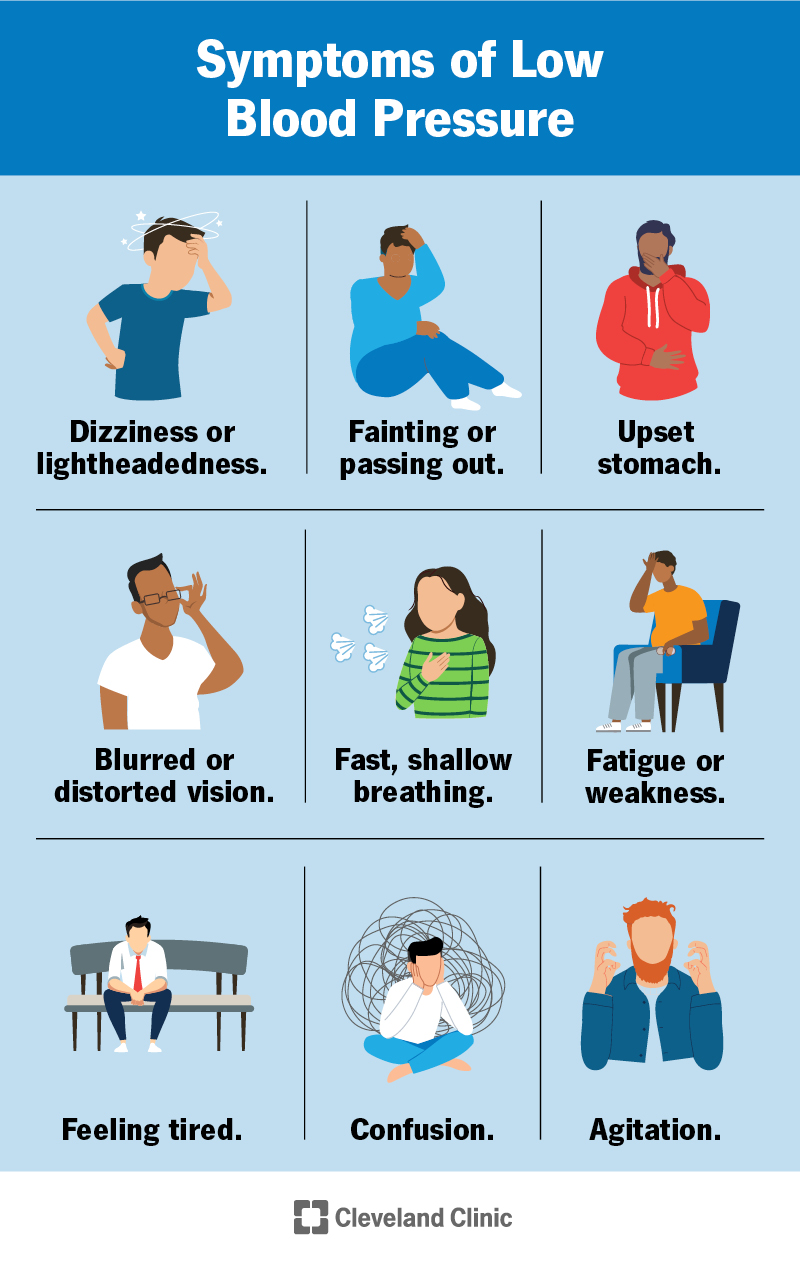
7. Dizziness or Lightheadedness
 4
4
Feeling:
- Dizzy
- Faint
- Unsteady
This may happen when the brain isn’t getting enough blood flow.
When Should You Take These Signs Seriously?
Pay attention if symptoms are:
- Persistent
- Getting worse over time
- Occurring together
Especially if there are risk factors like:
- High blood pressure
- Diabetes
- Smoking
- High cholesterol
What You Can Do
- Monitor your body regularly
- Don’t ignore unusual patterns
- Maintain a heart-healthy lifestyle
- Seek medical advice if symptoms persist
Final Takeaway
The phrase “silent signs” is real — but it doesn’t mean invisible.
Your body often sends quiet warnings before serious heart problems develop.
The key is not panic — it’s awareness.
Because catching these signs early can be the difference between
prevention and emergency.