🌿 A Nutritious Vegetable - But Not for Everyone
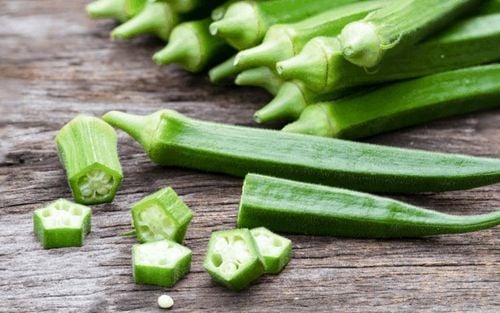
Okra, often called “lady’s finger,” is widely known for its rich nutritional profile. It contains fiber, vitamins, antioxidants, and compounds that support digestion and overall health.
However, like many foods, okra is not suitable for everyone. Certain individuals may experience unwanted effects or should limit their intake due to specific health conditions.
Let’s explore seven groups of people who should be cautious with okra.
⚠️ 1. People Prone to Kidney Stones
Okra contains oxalates, natural compounds that can contribute to the formation of kidney stones in susceptible individuals.
If you have a history of kidney stones:
- Limit high-oxalate foods
- Stay well hydrated
👉 Moderation is essential.
🩸 2. Individuals Taking Blood-Thinning Medications
Okra is rich in vitamin K, which plays a role in blood clotting.
This can interfere with medications such as blood thinners.
👉 Consistency in vitamin K intake is important — sudden changes may affect medication effectiveness.
🤢 3. People With Sensitive Digestive Systems
Okra is high in fiber, which is generally beneficial — but for some people, it can cause:
- Gas
- Bloating
- Digestive discomfort
👉 Especially if consumed in large amounts or introduced suddenly.
⚖️ 4. Individuals Managing Blood Sugar Carefully
Okra has been studied for its potential effects on blood sugar.
While it may help regulate glucose levels, it can also:
- Interact with certain medications
- Affect blood sugar unpredictably in some cases
👉 Monitoring is important if you have diabetes or related conditions.

🦷 5. People With Joint Issues (Sensitive to Oxalates)
Some believe that oxalates may contribute to joint discomfort in sensitive individuals.
While evidence varies, those experiencing joint pain may want to:
- Observe how their body reacts
- Adjust intake accordingly
👉 Personal response matters.
🤧 6. Individuals With Food Sensitivities or Allergies
Although uncommon, some people may have a sensitivity to okra.
Possible reactions include:
- Itching
- Digestive upset
- Mild allergic symptoms
👉 Always pay attention to unusual reactions after eating.
💊 7. People on Certain Medications
Okra may interact with how the body absorbs or processes certain medications.
For example:
- Its fiber content may affect absorption
- It may influence how some drugs work
👉 If you are on long-term medication, consult a healthcare provider.
⚖️ It’s About Awareness, Not Avoidance
For most people, okra is a healthy and beneficial food.
The goal is not to eliminate it completely, but to:
- Understand your body
- Be aware of potential interactions
- Consume it in moderation
👉 One food doesn’t define your health — your overall diet does.
🥗 How to Enjoy Okra Safely
- Cook it properly to improve digestibility
- Pair it with a balanced meal
- Avoid excessive consumption
- Monitor your body’s response
👉 Smart eating leads to better outcomes.

🌱 Final Thoughts
Okra may be packed with nutrients, but like any food, it isn’t universally suitable for everyone.
Understanding your body’s needs and limitations is key to making the right dietary choices.
Because in nutrition, what works for one person may not work for another.