If You Drool While Sleeping Often — Should You Really Worry About “6 Diseases”?
That headline sounds alarming, right? It makes it seem like a simple thing — drooling during sleep — could signal serious illness. But the truth is more nuanced.
Drooling while sleeping is very common, and in most cases, it’s completely harmless. Still, in some situations, it can reflect underlying issues worth paying attention to.
Let’s break it down clearly — no fear tactics, just facts.
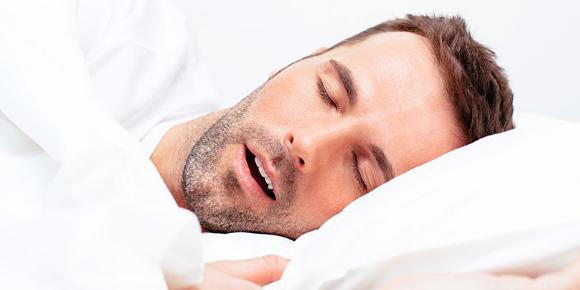
Why Do People Drool During Sleep?

 4
4
When you fall asleep, especially in deeper stages:
- Facial and swallowing muscles relax
- Saliva builds up in the mouth
- Gravity (especially when lying on your side) causes it to leak out
So yes — drooling is often just a result of deep, relaxed sleep.
When Drooling Might Be Linked to Health Issues
Now here’s where it gets important. Frequent or excessive drooling can be associated with certain conditions — but not always.
1. Nasal Congestion or Blocked Airways
- Allergies
- Sinus infections
- Deviated septum
When the nose is blocked, breathing shifts to the mouth → more drooling.
2. Sleep Apnea
A more serious possibility:
- Interrupted breathing during sleep
- Loud snoring
- Mouth breathing
This can increase saliva leakage and disrupt sleep quality.
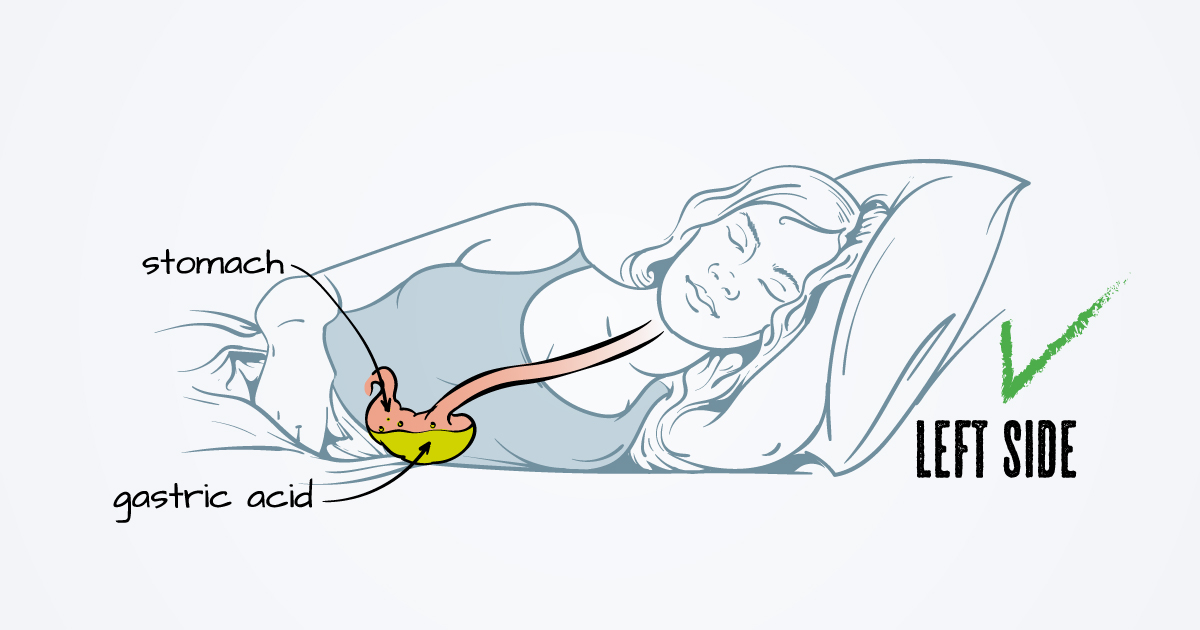
3. Gastroesophageal Reflux (GERD)

 4
4
Acid reflux can trigger excess saliva production (a protective response).
Symptoms often include:
- Burning sensation in chest
- Sour taste in mouth
- Worse symptoms at night
4. Neurological Conditions (Less Common)
Conditions that affect muscle control can impact swallowing:
- Stroke
- Parkinson’s disease
- Nerve-related disorders
These cases are rare and usually come with other clear symptoms.
5. Medication Side Effects
Some medications can:
- Increase saliva production
- Relax muscles excessively
6. Poor Sleep Position or Habit
Sometimes it’s simply:
- Sleeping on your side
- Mouth slightly open
- Deep sleep phase
No disease involved at all.
So Is Drooling a Warning Sign?
Most of the time: NO.
Occasional or even regular drooling during sleep is usually:
- Normal
- Harmless
- Related to posture or relaxation
When Should You Pay Attention?
Consider checking further if drooling comes with:
- Loud snoring or choking sounds
- Poor sleep quality or constant fatigue
- Difficulty swallowing while awake
- Sudden increase in drooling
- Acid reflux symptoms
These combinations matter more than drooling alone.
How to Reduce Drooling Naturally

 4
4
Simple adjustments can help:
- Try sleeping on your back
- Keep nasal passages clear
- Use a supportive pillow
- Avoid heavy meals before bed
- Maintain good sleep hygiene
Final Takeaway
The claim “check for 6 diseases” is overdramatic and misleading.
But here’s the balanced truth:
Drooling is usually normal — but context matters.
If it’s:
- Occasional → ignore it
- Frequent + symptoms → observe and adjust
- Severe or sudden → consider medical advice
No need to panic — just stay aware.
Because not every small sign is a danger…
but understanding your body always gives you the advantage.