7 Brain Cancer Symptoms Everyone Should Know — Clear, Real, and Not Overhyped
The image makes it sound urgent — and honestly, awareness is important. But brain cancer doesn’t usually show up with one obvious sign. Instead, symptoms depend on where the tumor is and how it affects brain function.
Let’s go through the most recognized warning signs, without exaggeration.
How Brain Tumors Cause Symptoms
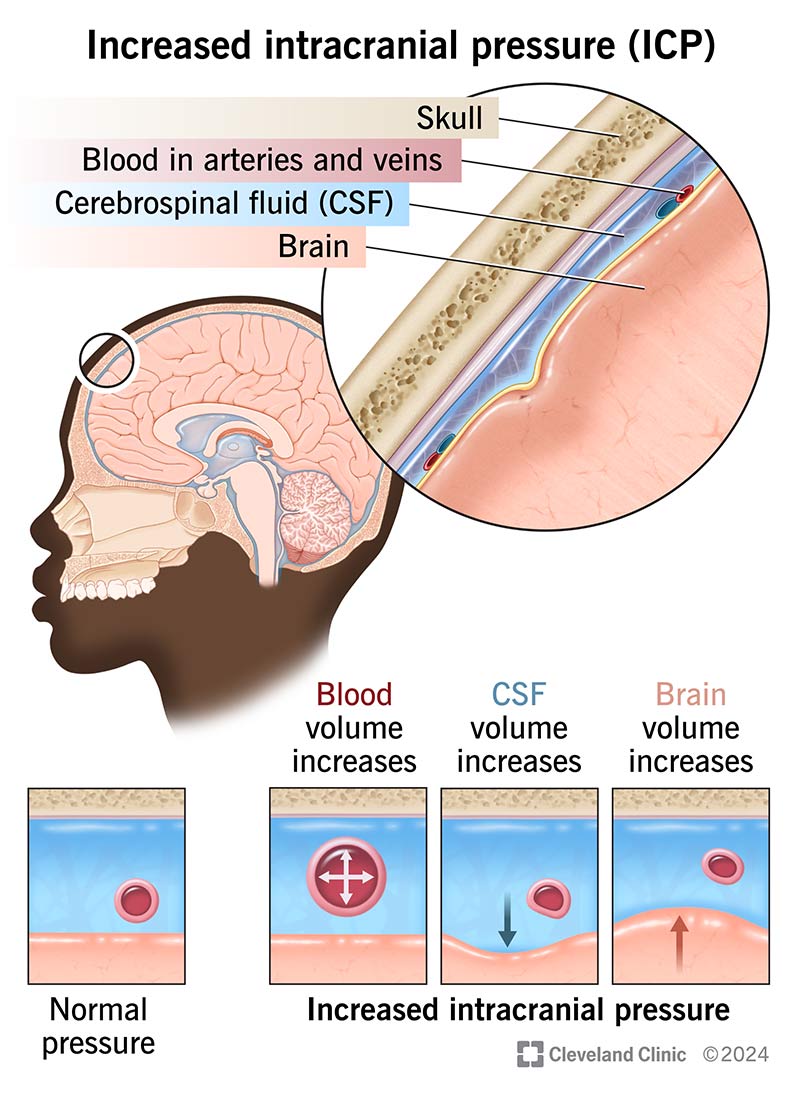

Brain tumors can:
- Increase pressure inside the skull
- Disrupt normal brain signals
- Affect specific functions (movement, speech, vision)
That’s why symptoms vary from person to person.
1. Persistent or Worsening Headaches
Not all headaches are dangerous — but watch for:
- Headaches that get worse over time
- Stronger in the morning
- Not relieved by usual medication
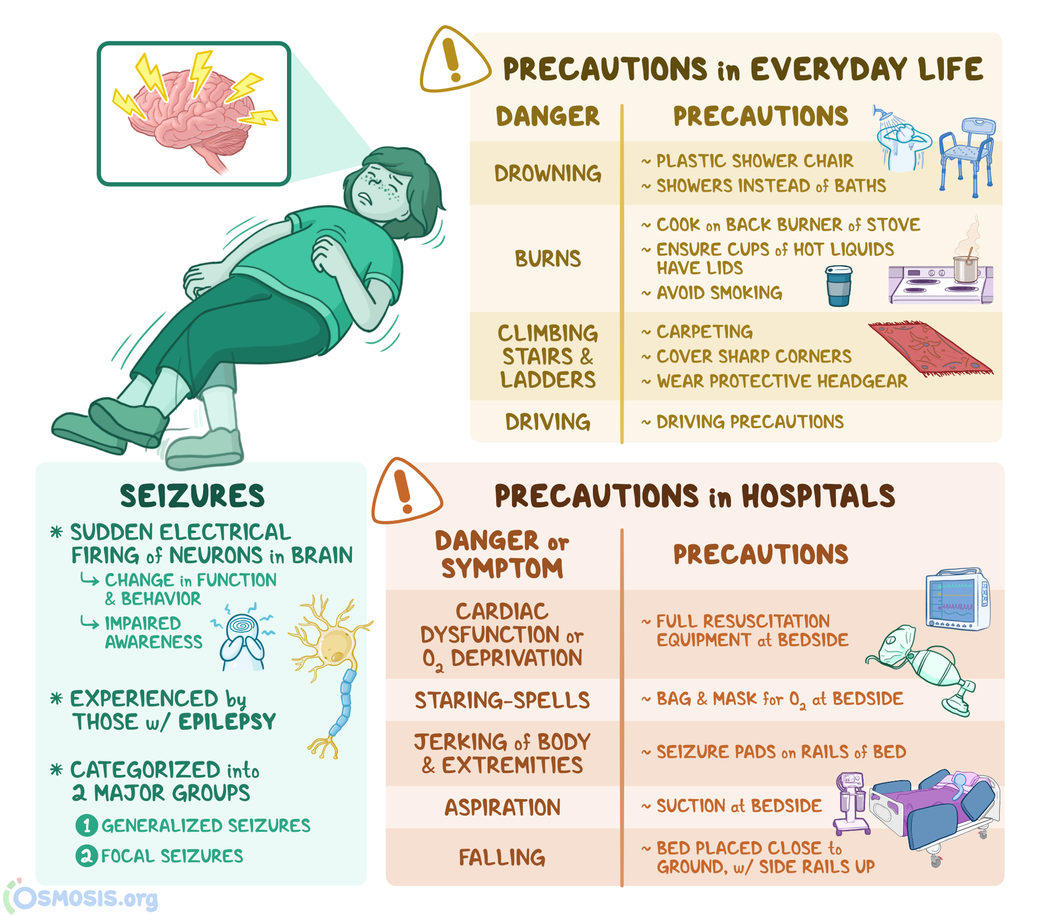
2. Seizures (Even Without History)

 4
A first-time seizure is a major red flag.
It may involve:
- Body shaking
- Loss of awareness
- Sudden confusion
3. Vision Problems
Changes may include:
- Blurred or double vision
- Loss of peripheral (side) vision
- Difficulty focusing
4. Speech or Language Difficulty


 4
You might notice:
- Trouble finding words
- Slurred speech
- Difficulty understanding others
5. Weakness or Numbness
Especially on one side of the body:
- Arm or leg weakness
- Loss of coordination
- Tingling or numbness
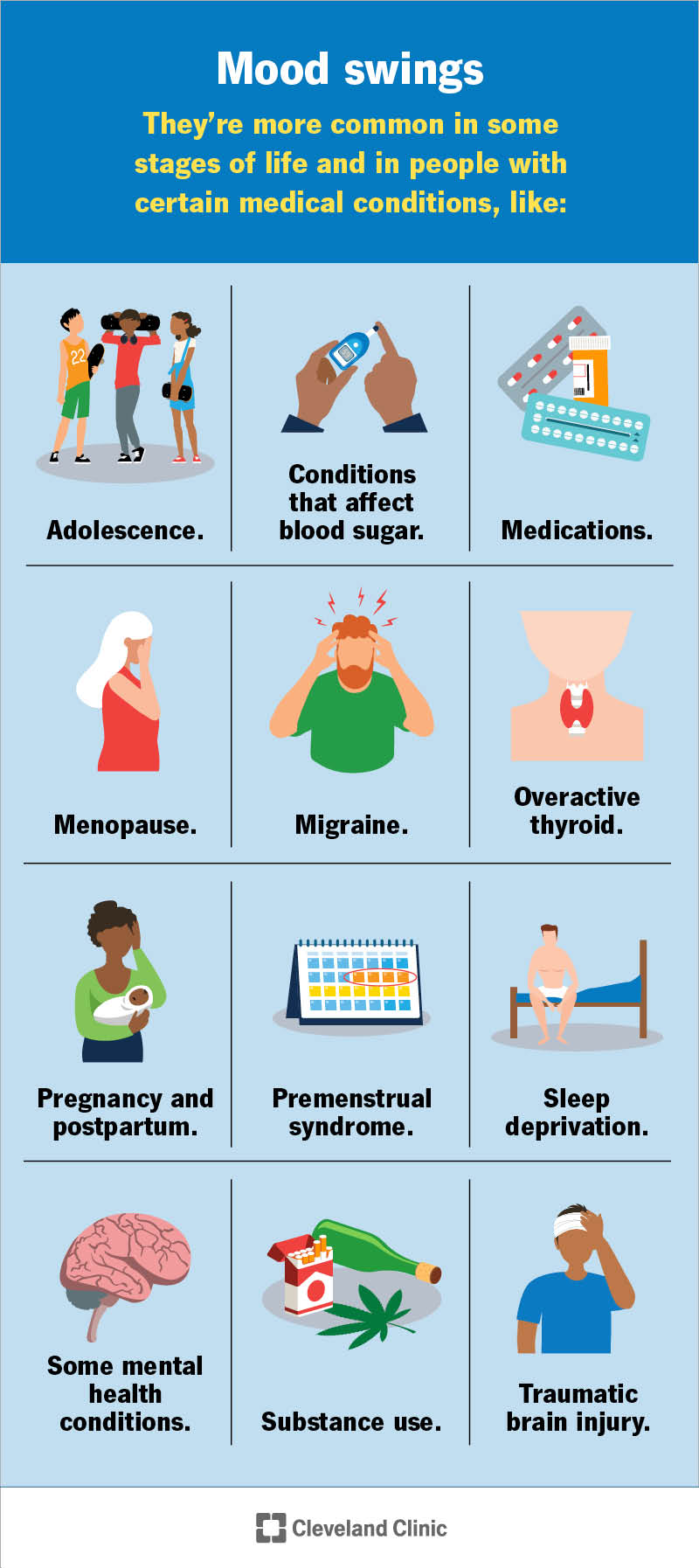
6. Personality or Behavior Changes

 4
Changes may include:
- Unusual mood swings
- Irritability
- Memory problems
- Difficulty concentrating
7. Nausea and Vomiting (Without Clear Cause)
Especially when:
- Happens in the morning
- Occurs alongside headaches
- Not related to food
This can be linked to increased pressure in the brain.
Important Reality Check
- These symptoms are not specific to brain cancer
- Many are caused by much more common conditions (migraine, stress, infections, etc.)
- Brain tumors are relatively rare
When Should You See a Doctor?
Pay attention if symptoms are:
- Persistent and worsening
- Unusual for you
- Occurring together
Especially:
- New seizures
- Progressive neurological changes
Final Takeaway
The headline sounds dramatic — but the real message is simple:
It’s not about panic. It’s about patterns.
Your body doesn’t usually send one big signal —
it sends small, consistent changes over time.
If something feels off and doesn’t go away,
that’s the moment to take it seriously.