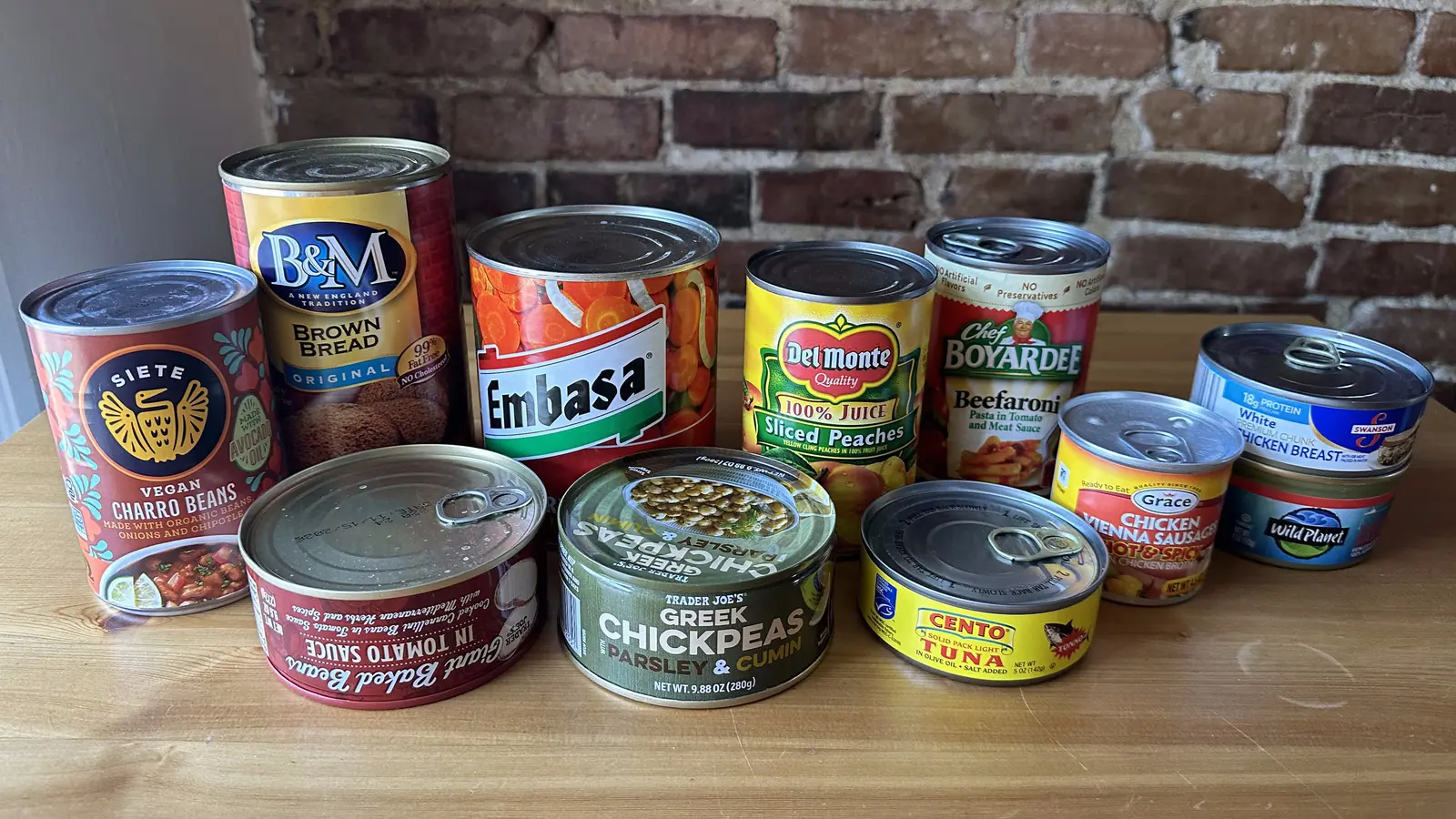
Eating Canned Foods Often: What It Really Does to Your Body
Regularly Eating Canned Foods? This Is What It Does to Your Health
Food 01/04/2026 11:33
Eating the wrong foods before bed, like pizza or ice cream, can interfere with sleep and lead to nighttime indigestion or weight gain. Knowing which foods to avoid can help ensure a restful sleep and a healthier you.
Pizza
While pizza is a late-night favorite, it can disturb your sleep, especially if you're among the one-third of Americans who experience acid reflux weekly. Tomato sauce is acidic and might irritate your stomach, leading to heartburn, reflux, and indigestion. Pizza is also high in fat, which takes longer to digest, increasing the risk of these issues if you lie down shortly after eating.
Ice Cream
Eating a lot of ice cream before bed can disrupt your sleep and lead to weight gain. Ice cream often contains added sugar, calories, and unhealthy fats. Overeating it at night may cause your blood sugar to spike and drop quickly, disturbing your sleep. Sugary, high-fat snacks like ice cream can lead to late-night eating habits and disrupt children's natural sleep-wake cycle, also known as the circadian rhythm.
Chips
Chips are high in refined carbs, which might raise your blood sugar and make sleep harder. They also contain high levels of calories, fat, and sodium. Higher sodium intake has been linked to poor sleep quality, short sleep duration, and interrupted sleep, including waking up frequently at night to pee.
Hot Peppers
Spicy foods, like hot peppers, are known triggers of heartburn and indigestion. Eating them before bed can make it harder to sleep. They also contain high levels of capsaicin, a compound that gives them their spicy flavor. Capsaicin may increase body temperature, which may interfere with sleep.
Oranges
Oranges and other citrus fruits, like grapefruit and lemons, are highly nutritious. However, they may not be the best choice before bed, especially if you are prone to heartburn. Their acidity makes them more likely to trigger heartburn than other types of fruit, especially if you lie down too soon after eating them.
Beans
Beans might not be ideal before bed because their fiber is hard to digest, leading to gas and bloating, especially if you're not used to eating much fiber. A high-fiber diet can improve sleep, so include fiber-rich foods like beans and whole grains throughout your day, but avoid heavy, high-fiber meals before bed.
Dark Chocolate
Dark chocolate may be more nutritious than milk chocolate, but it contains more caffeine, which can interfere with sleep. Caffeine stimulates acid production in the stomach, leading to digestive discomfort or heartburn. Dark chocolate also contains theobromine, which stimulates the central nervous system, making it harder to fall asleep.
Dried Fruit
Eating a small amount of dried fruit at night is unlikely to affect sleep, but too much can cause insomnia. In addition to fiber, dried fruit is more calorie-dense and higher in natural sugar than its fresh counterpart, making it harder to fall and stay asleep.
Burgers
Foods like cheeseburgers are high in saturated fat, which can cause more nighttime waking and shorten slow-wave sleep. Deep sleep is important for feeling well-rested in the morning. Regularly eating a large, heavy meal like a burger and fries before bed can increase the risk of obesity and heart disease.
Sugary Cereal
Cereal is a quick and satisfying late-night snack, but sugary cereals are high in refined carbs, which can spike blood sugar and disrupt sleep. These cereals are often high in calories and low in nutrients, making them less filling and potentially contributing to weight gain. Consuming cereal and other high-carb foods about four hours before bedtime may actually help you fall asleep faster. Enjoy cereal earlier in the evening or afternoon, and opt for a whole-grain variety without added sugar.
What About Drinks Before Bed?
To prevent overnight bathroom trips, avoid liquids one to two hours before bedtime. Caffeinated beverages like tea, soda, energy drinks, and coffee should be avoided four to six hours before bed. People who are sensitive to caffeine may need to stop even earlier. Although alcohol may help you feel relaxed at first, it's best to avoid it at least four hours before bed, as it can disrupt REM sleep.
Is It Bad to Eat Before Bed?
Eating before bed isn’t inherently bad, but it’s important to be mindful of what and how much you eat. Large, heavy meals, fried or fatty foods, and spicy foods close to bedtime can cause acid reflux and poor sleep quality. Refined carbs and added sugar can lead to blood sugar spikes, further disrupting sleep.
A small, nutrient-rich snack with low calories and carbohydrates before bed may actually help. It can curb hunger and help you fall asleep faster and stay asleep throughout the night. For people with diabetes, a high-protein, low-carbohydrate snack before bed can help prevent blood sugar spikes the next day.
How to Choose a Bedtime Snack
Choose something light with protein and healthy fats. This helps stabilize blood sugar levels and curb hunger without overloading your digestive system. Research suggests keeping bedtime snacks under 200 calories is ideal.
Some foods also contain sleep-promoting nutrients:
Two Kiwis Before Bed for Better Sleep
Kiwi, rich in serotonin, can improve sleep. Eating two kiwis an hour before bed has been shown to increase total sleep time and reduce nighttime awakenings in people with difficulty sleeping.
Regularly Eating Canned Foods? This Is What It Does to Your Health
Eating Avocado Before Bed — Here’s How It Affects Your Sleep

What Really Happens to Your Body When You Eat Japanese Sweet Potatoes Regularly?
5 Health Benefits of Eating Watermelon Seeds

Why Chicken Gizzards Are a Superfood: 7 Amazing Benefits

Chicken Breast Lovers, Take Note: Here’s What Happens to Your Body

Daily Ginger Intake: What It Does to Your Body Might Shock You
What You Should Know Before Your Next Cauliflower Meal

Drinking water in the morning is beneficial—here’s what most people overlook!

How dangerous is leftover rice? Here’s what you need to know before eating it.
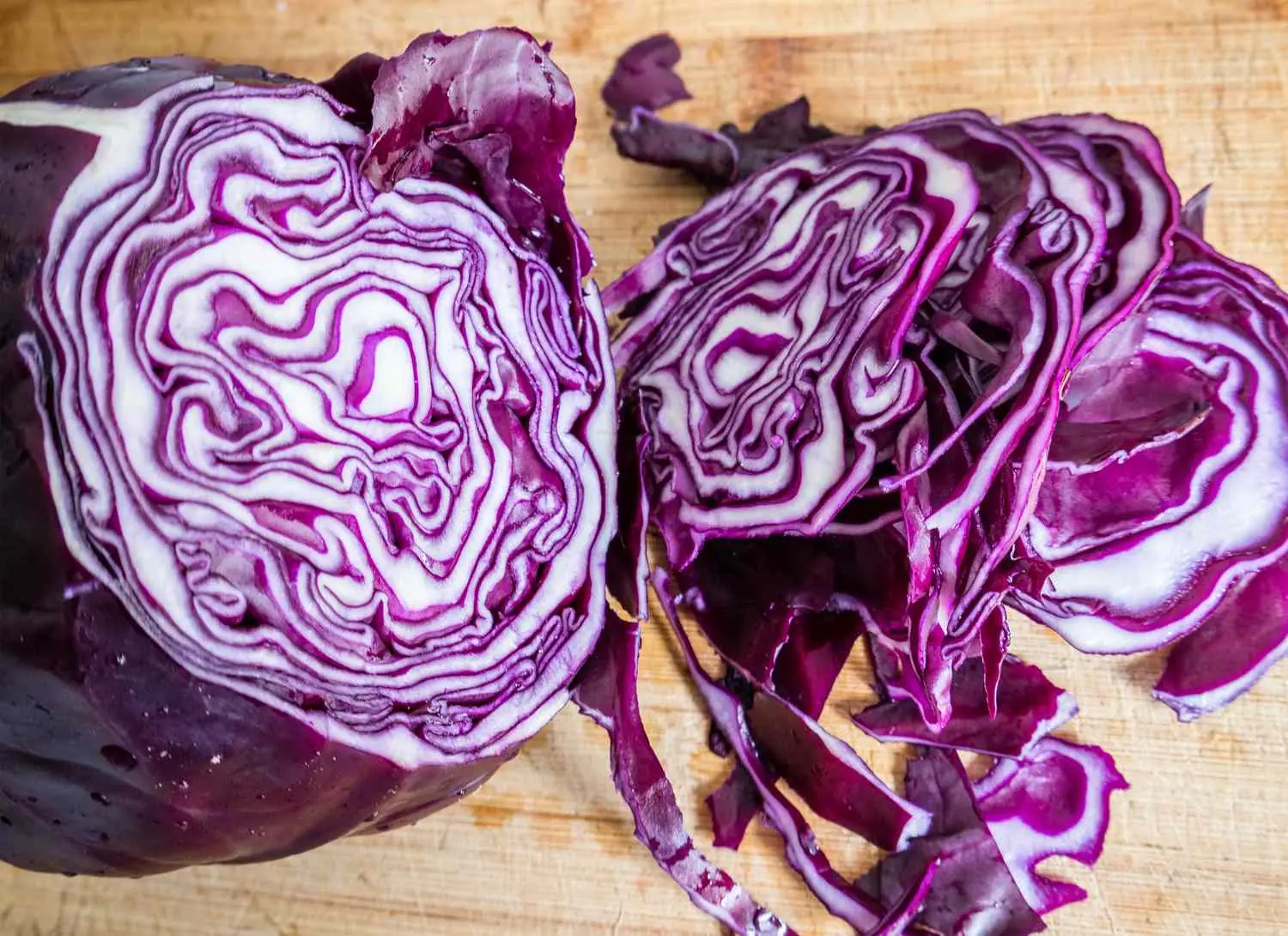
You Won’t Believe What Eating Red Cabbage Does to Your Body…

Try eating pineapple every day — here’s what you might notice
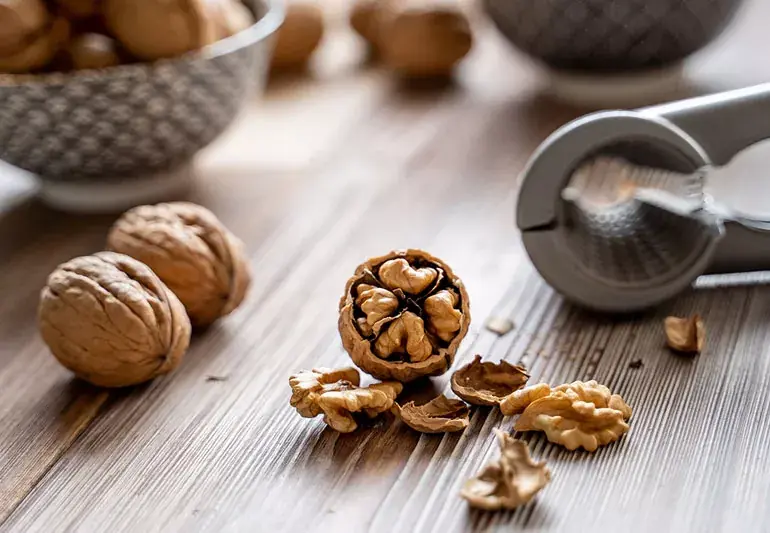
Eating Walnuts Can Do This to Your Body…See How

What Raw Cabbage Could Be Doing to Your Body
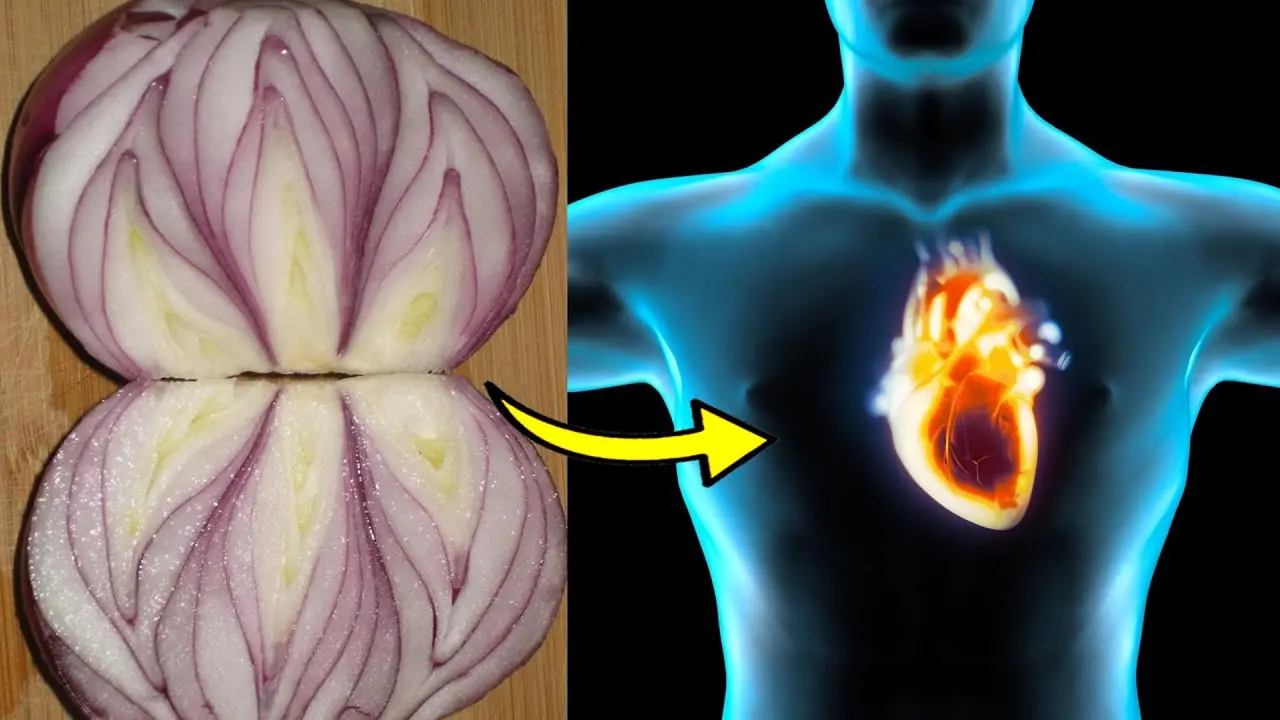
Eat Onions Every Day: Here’s What Happens to Your Body

10 Things Nobody Tells You About Eating Okra
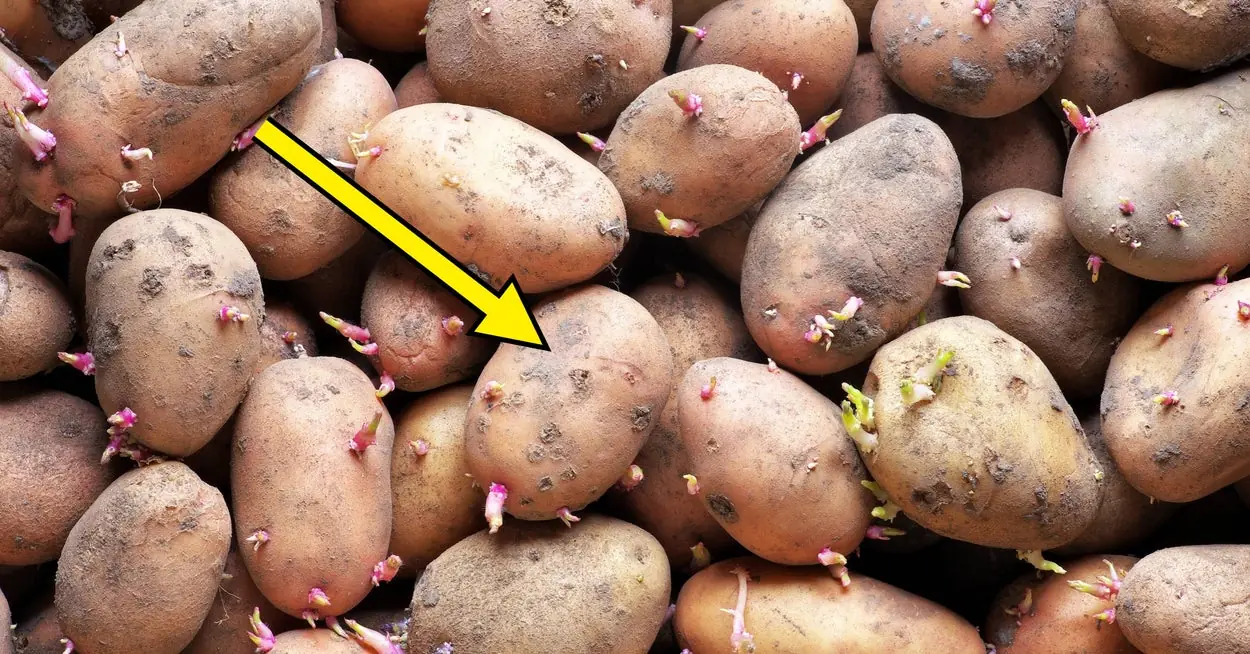

My Neighbor Dropped Off a Bag of These… What Are They Supposed to Be?

Doctors Reveal That This Simple Habit Might Be Quietly Causing…

The Truth About Sweet Potatoes — 8 Things Most People Don’t Know
Regularly Eating Canned Foods? This Is What It Does to Your Health

10 essential tips to use cloves effectively

Pokeweed: Attractive in appearance but potentially harmful

Doctors study whether your blo.od type can affect your risk of developing can.cer

4 common electric kettle mistakes you make every day that can lead to problems

Itching in Specific Areas? Here’s When It Could Indicate a Serious Illness

Why Your Avocado Is Stringy — And Why It’s Totally Normal
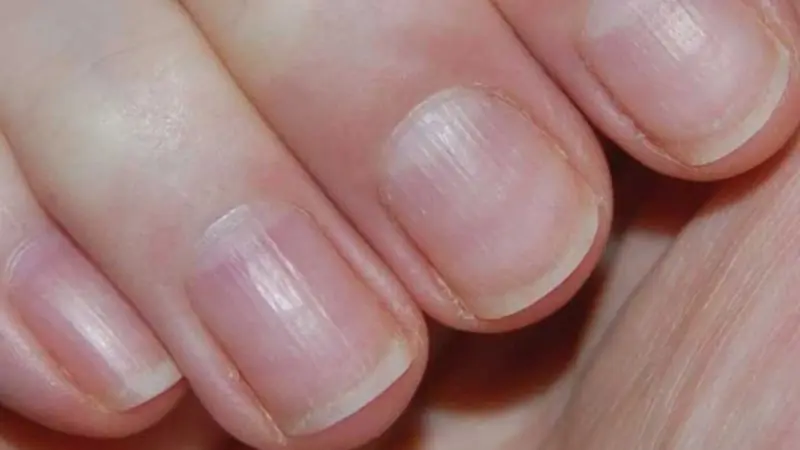
Health experts reveal 8 hidden conditions your nails may be signaling
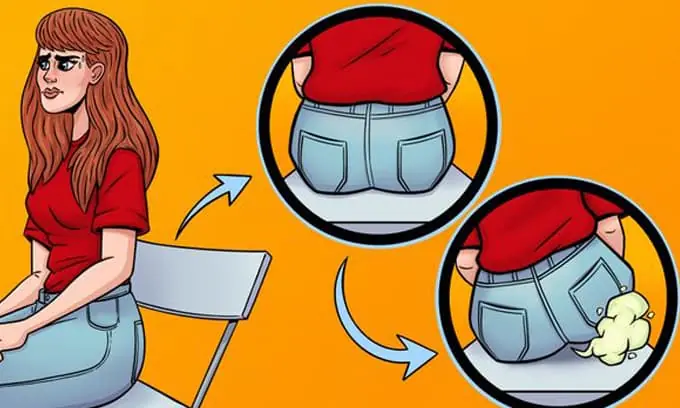
Where does the gas go when you resist passing gas, and what happens inside your body?
Eating Avocado Before Bed — Here’s How It Affects Your Sleep

From Fear to Peace: Little Punchy’s Journey to Safety and Rest
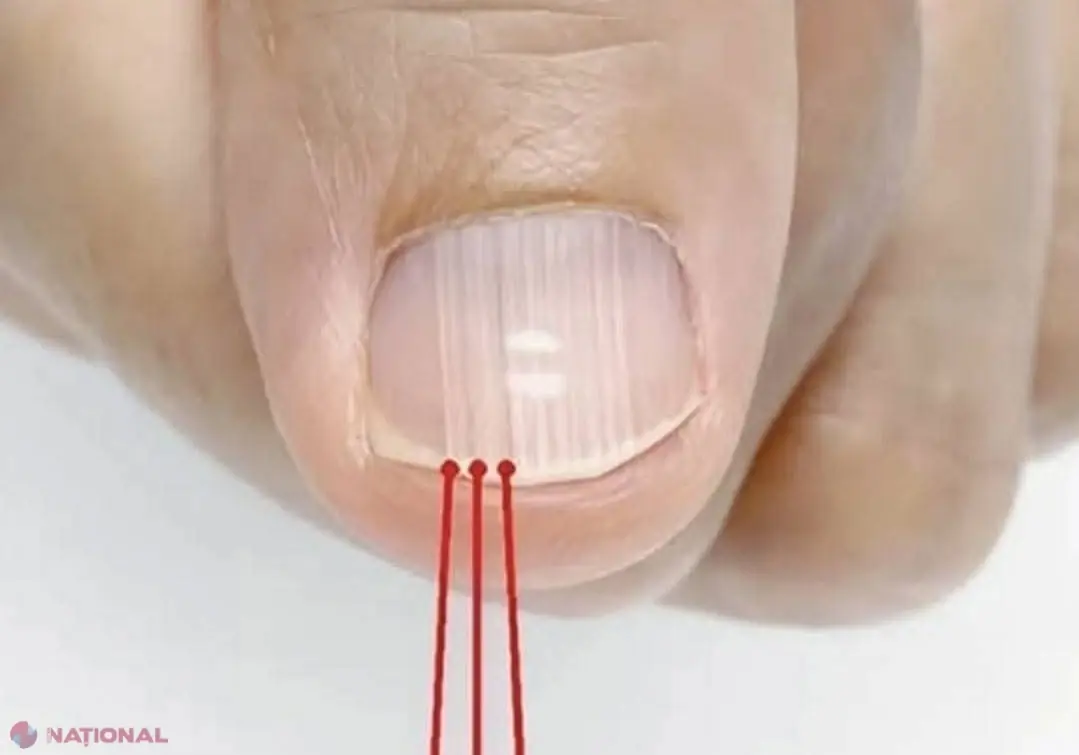
Your Nails After 40 Can Say a Lot — Especially If You See These Lines

Wearing Socks to Bed Might Do More for Your Body Than You Think
What Really Happens to Your Body When You Eat Japanese Sweet Potatoes Regularly?

Did you know? Waking up at 3 or 4 AM could be a powerful sign that…

Smart travel hack: Why should you roll a water bottle under your hotel bed?

If you frequently experience these 5 strange signs, it could be a warning of diabetes

How to Eat Smart Without Cutting Out Your Favorite Foods