The idea that your blood type could influence your risk of developing certain diseases including cancer - has intrigued scientists for decades. While lifestyle factors such as diet, smoking, and environmental exposure remain the dominant drivers of cancer risk, emerging research suggests that ABO blood groups may also play a subtle but measurable role in susceptibility to specific cancers.
But how strong is this connection? And what does it actually mean for your health?
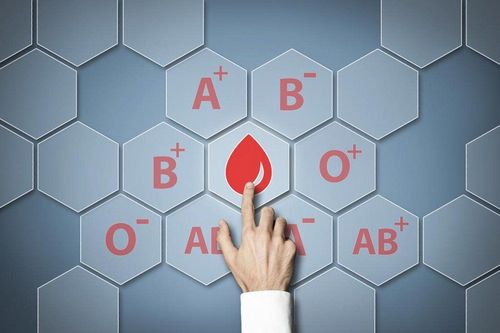
Understanding Blood Groups: More Than Just A, B, AB, or O
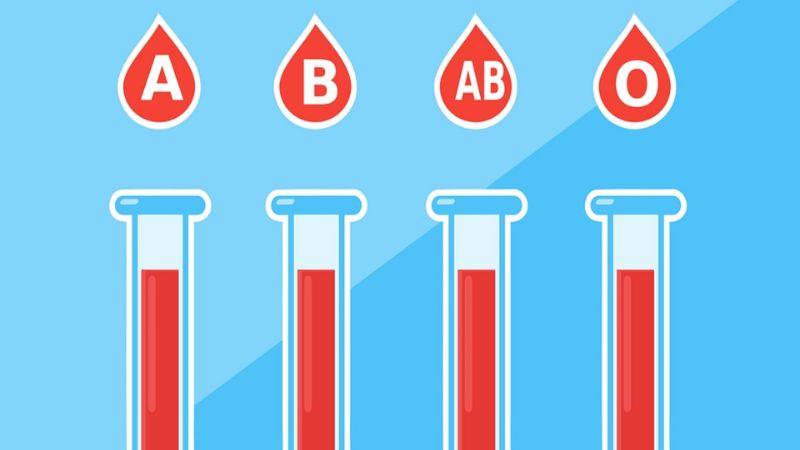
Human blood types are classified under the ABO system, determined by the presence or absence of antigens (A and B) on the surface of red blood cells:
- Type A: Has A antigens
- Type B: Has B antigens
- Type AB: Has both A and B antigens
- Type O: Has neither
These antigens are not limited to blood—they are also expressed on various tissues throughout the body, including the digestive tract and epithelial cells. This is where the potential link to cancer begins.
What Research Suggests About Blood Type and Cancer Risk
Scientists have identified statistical associations between certain blood types and increased or decreased risks of specific cancers. It’s important to emphasize that these are correlations, not direct causes.
1. Stomach (Gastric) Cancer
Studies have consistently found that individuals with blood type A may have a higher risk of developing gastric cancer compared to those with type O.
Possible explanation:
- Differences in immune response
- Interaction with bacteria such as Helicobacter pylori, a known risk factor for stomach cancer
2. Pancreatic Cancer
Research suggests that people with non-O blood types (A, B, or AB) may have a slightly increased risk of pancreatic cancer.
Why this might happen:
- Blood group antigens may influence inflammation
- Variations in cell adhesion and immune signaling

3. Colorectal Cancer
Some studies indicate a modest association between blood type A or AB and a higher risk of colorectal cancer, although findings are less consistent.
4. Ovarian Cancer
There is limited but emerging evidence suggesting that certain blood types—particularly A—may be linked to a slightly increased risk of ovarian cancer.
Why Blood Type Might Influence Cancer Risk
The mechanisms behind these associations are still being explored, but several theories have gained attention:
1. Immune System Differences
Blood group antigens can affect how the immune system recognizes and responds to abnormal cells. Some blood types may be less efficient at detecting early cancerous changes.
2. Inflammation and Cellular Environment
Chronic inflammation is a known contributor to cancer development. Certain blood types may influence inflammatory responses, creating conditions that either promote or inhibit tumor growth.
3. Cell Adhesion and Tumor Spread
Blood group antigens play a role in how cells stick together and interact. Changes in these processes could affect how cancer cells grow and spread (metastasize).
4. Microbial Interactions
Some pathogens interact differently depending on blood type. For example, H. pylori binds more easily to certain blood group antigens, potentially increasing cancer risk in the stomach.
Important Limitations of Current Research
While the connection between blood type and cancer risk is scientifically interesting, it’s crucial to keep things in perspective:
- The increased risk associated with blood type is generally small
- Blood type is non-modifiable—you can’t change it
- Lifestyle factors have a far greater impact on cancer risk
In other words, your blood type is just one small piece of a much larger puzzle.
What Matters More Than Blood Type
Even if certain blood groups are linked to slightly higher risks, the most effective ways to reduce cancer risk remain well-established:
- Avoid smoking and limit alcohol consumption
- Maintain a balanced, nutrient-rich diet
- Exercise regularly
- Get routine medical screenings
- Manage stress and maintain a healthy weight
These factors have a significantly stronger and more direct influence on cancer development than blood type alone.
The Bottom Line
Research suggests there may be a connection between blood groups and susceptibility to certain cancers, particularly gastric and pancreatic cancers. However, this relationship is complex, indirect, and still not fully understood.
Blood type can offer insight into potential biological tendencies, but it does not determine your destiny. Focusing on controllable lifestyle choices remains the most powerful way to protect your long-term health.