Your nails do more than complete your look—they can quietly reflect what’s happening inside your body. Changes in color, texture, thickness, or shape may signal nutritional deficiencies, systemic disease, or localized infections. While not every abnormality is serious, consistent or unexplained changes are worth paying attention to.
Below are 8 conditions that doctors often associate with visible nail changes and what those signs may mean.
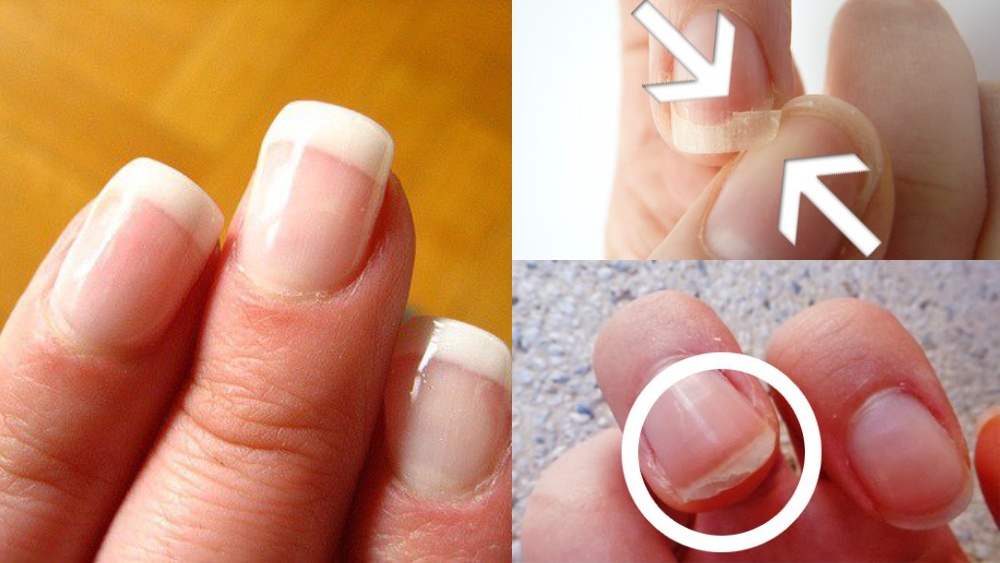
1. Iron Deficiency (Anemia)
One of the most recognizable nail changes linked to iron deficiency is koilonychia, or spoon-shaped nails. Instead of curving slightly outward, the nails become thin and concave.
What to look for:
- Pale nail beds
- Brittle texture
- Spoon-like shape
Why it happens:
Iron is essential for producing hemoglobin, which carries oxygen in the blood. Low iron levels reduce oxygen delivery to tissues, including the nail matrix, affecting nail formation.
2. Vitamin Deficiencies
Your nails require a steady supply of nutrients—especially biotin, vitamin B12, and folate—to grow properly.
Common signs:
- Vertical ridges
- Cracking or splitting nails
- Pale or bluish tint
What it may indicate:
Deficiencies in B vitamins can disrupt cell turnover and keratin production, leading to weak, uneven nails.
3. Fungal Nail Infections
Fungal infections (onychomycosis) are among the most common causes of abnormal nails.
Typical symptoms:
- Yellow, white, or brown discoloration
- Thickened nails
- Crumbling or distorted edges
Why it happens:
Fungi thrive in warm, moist environments and can invade the nail bed, especially if the nail is damaged or hygiene is compromised.

4. Liver Disease
Nail color can sometimes reflect liver function. One classic sign is “Terry’s nails”, where most of the nail appears white with a thin pink or brown band at the tip.
Associated signs:
- Pale or white nails
- Loss of the normal half-moon shape
What it may suggest:
Chronic liver conditions can alter blood flow and protein levels, which affects nail coloration.
5. Heart and Lung Conditions
Clubbing of the nails—where the fingertips enlarge and nails curve downward—is often associated with serious conditions affecting oxygen levels.
What to watch for:
- Rounded, bulb-like fingertips
- Nails curving over the fingertips
- Softened nail beds
Possible causes:
- Chronic lung disease
- Heart disease
- Low oxygen levels in the blood
6. Kidney Disease
Changes in nail appearance can also be linked to kidney function.
A key sign:
- Half-and-half nails (Lindsay’s nails), where the lower part of the nail is white and the upper part is darker
Why it occurs:
Waste buildup and changes in blood chemistry may affect nail pigmentation.
7. Psoriasis
This autoimmune condition doesn’t only affect the skin—it often shows up in the nails as well.
Common nail symptoms:
- Pitting (small dents on the surface)
- Thickening
- Separation of the nail from the nail bed
What it means:
Psoriasis accelerates skin cell turnover, including cells that form nails, leading to structural changes.
8. Thyroid Disorders
Both hypothyroidism and hyperthyroidism can impact nail health.
Possible signs:
- Slow-growing, brittle nails
- Nail separation (onycholysis)
- Soft or thin nails
Why it matters:
Thyroid hormones regulate metabolism, including the growth of skin and nails.
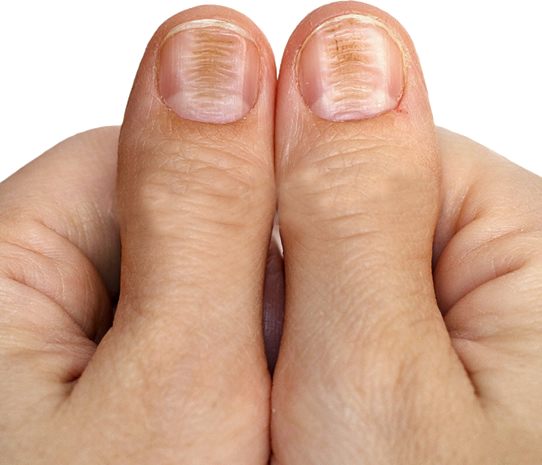
When Should You Take Nail Changes Seriously?
Occasional nail issues—like a broken or slightly ridged nail—are usually harmless. However, you should pay closer attention if:
- Changes persist for weeks or months
- Multiple nails are affected
- You notice additional symptoms (fatigue, weight changes, skin issues)
Nails grow slowly, so they often reflect long-term changes in your body rather than sudden problems.
The Bottom Line
Your nails can act as small but meaningful indicators of your overall health. From nutrient deficiencies to systemic diseases, subtle changes in nail appearance may offer early clues that something isn’t quite right.
While nail abnormalities alone are not enough for a diagnosis, they can serve as a valuable signal to look deeper. If something seems unusual or persistent, it’s always a good idea to consult a healthcare professional for proper evaluation.