A shocking viral claim suggests that a heat-retaining cup led to the death of a 25-year-old woman. The headline warns that using such cups incorrectly can turn them into a “deadly” everyday item—something 99% of people supposedly don’t know.
While the wording may be exaggerated, the concern raises an important question: can insulated cups actually pose health risks? The answer is yes—but only under certain conditions.
What Is a Heat-Retaining Cup?

Heat-retaining cups, often made of stainless steel or insulated materials, are designed to:
- Keep beverages hot or cold for extended periods
- Prevent heat transfer to the outside surface
- Provide convenience for daily use
They are widely used and generally safe when handled properly.
What Could Have Gone Wrong?
1. Bacterial Growth from Improper Cleaning
One of the most common risks comes from poor hygiene. If a cup is not cleaned regularly:
- Bacteria and mold can accumulate inside
- Residue from drinks (especially milk or tea) can ferment
- Harmful microorganisms may develop
Consuming contaminated liquids can lead to food poisoning or infections.
2. Storing Liquids Too Long
Heat-retaining cups can keep liquids warm for hours, which creates an ideal environment for bacteria if:
- The drink is left inside too long
- The temperature remains in the “danger zone” (around 5°C–60°C / 41°F–140°F)
This is especially risky for:
- Milk-based drinks
- Herbal teas
- Sugary beverages
3. Chemical Reactions with Certain Materials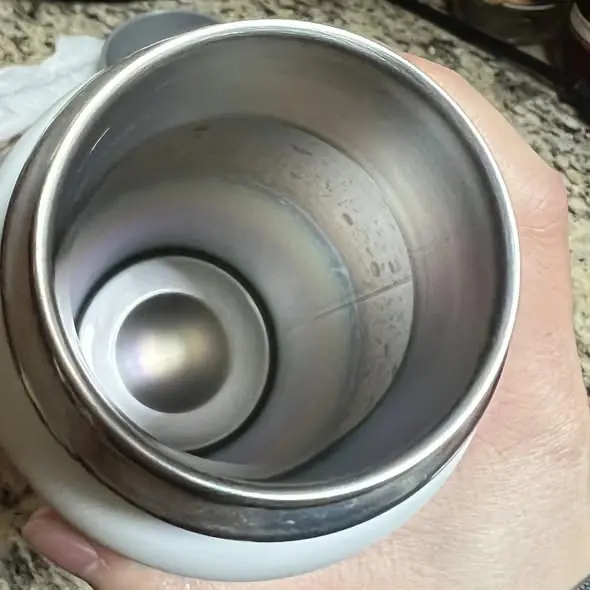
Although most modern insulated cups are safe, problems can arise if:
- Low-quality materials are used
- The inner lining is damaged
- Acidic drinks (like lemon water) are stored for long periods
This may cause small amounts of metals or chemicals to leach into the drink.
4. Improper Use with Certain Foods
Some people use insulated cups for more than just beverages, such as:
- Storing soups
- Keeping porridge or food overnight
If not handled properly, this can increase the risk of bacterial contamination.
Are Heat-Retaining Cups Really Dangerous?
The short answer: No, they are not inherently dangerous.
However, like many everyday items, they can become risky if misused. The viral claim exaggerates the danger but highlights real issues related to hygiene and food safety.
What Doctors and Experts Say
Health experts emphasize that most reported incidents are not caused by the cup itself, but by:
- Contaminated contents
- Improper storage
- Poor cleaning habits
They stress that insulated cups are safe when used correctly and maintained properly.
Signs of Contamination to Watch For
If your drink or cup shows any of the following, do not consume:
- Unusual smell
- Sour or off taste
- Visible residue or mold
- Cloudy liquid
These are signs that bacteria may have developed.
How to Use Heat-Retaining Cups Safely
1. Clean Thoroughly Every Day
- Wash with warm water and soap
- Use a brush to clean hard-to-reach areas
- Allow the cup to dry completely
2. Avoid Long-Term Storage
- Do not leave drinks in the cup overnight
- Consume beverages within a few hours
3. Be Careful with Certain Drinks
Avoid storing for long periods:
- Milk or dairy-based drinks
- Sugary beverages
- Acidic liquids
4. Choose High-Quality Products
- Use food-grade stainless steel
- Avoid damaged or scratched cups
- Replace old or worn-out products
The Role of Viral Misinformation
Headlines claiming that a cup can “take a life” are designed to attract attention. While they may highlight real risks, they often:
- Exaggerate the danger
- Oversimplify the cause
- Create unnecessary fear
It’s important to focus on the actual issue: safe usage habits.
The Bigger Picture: Everyday Items and Hidden Risks
Many everyday objects—cups, containers, even kitchen tools—can pose risks if misused. The key is not to avoid them, but to:
- Understand how they work
- Maintain proper hygiene
- Follow safe usage guidelines
Conclusion
The idea that a heat-retaining cup is inherently deadly is misleading. However, improper use—especially poor cleaning and long-term storage of liquids—can create real health risks.
By practicing good hygiene, choosing quality products, and using them correctly, you can safely enjoy the convenience of insulated cups without worry.