What occurs in your system if you keep a fart in instead of releasing it?
Where does the gas go when you resist passing gas, and what happens inside your body?
Facts 01/04/2026 09:48
Electric kettles are one of those appliances that quietly power your daily routine - whether it’s making tea, coffee, or instant meals. Because they’re so easy to use, most people don’t think twice about how they operate them. But small, everyday habits can gradually damage your kettle, affect water quality, and even pose safety risks.
Here are four common daily mistakes people make with electric kettles and why they matter more than you might think.
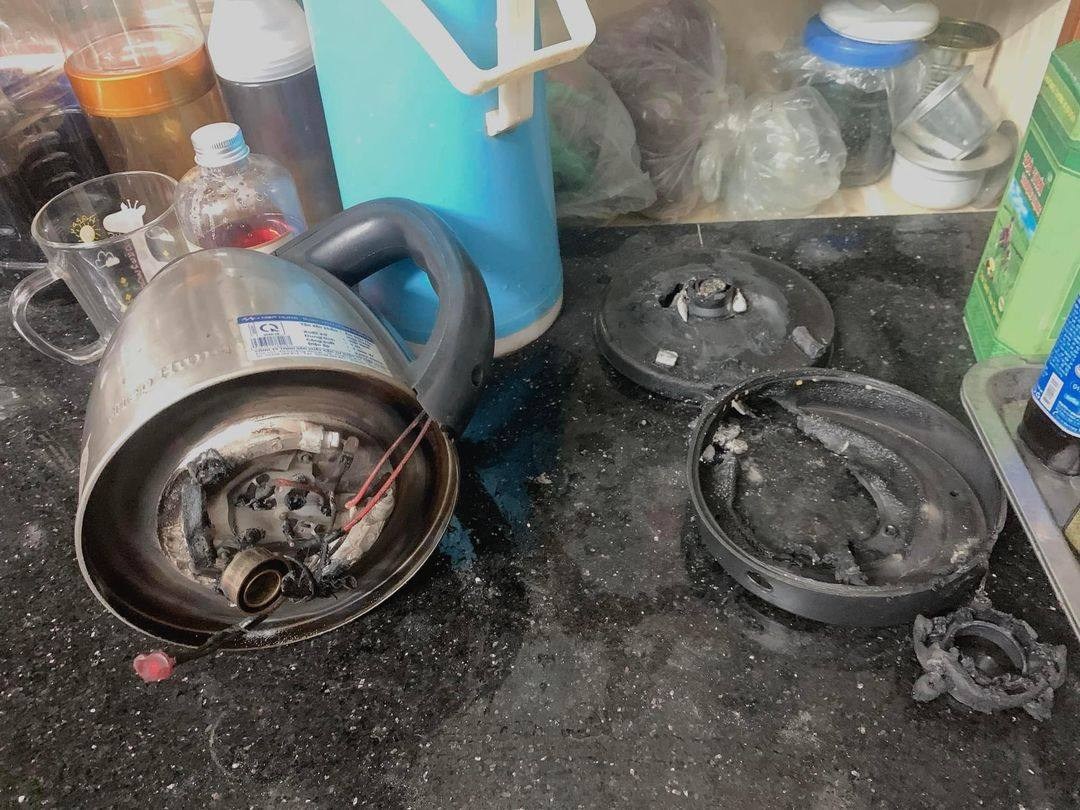
It might seem harmless to fill your kettle to the brim to save time, especially when you need hot water quickly. However, overfilling can create several issues.
What happens:
Why it matters:
Most kettles are designed with a maximum fill line for a reason. Exceeding this limit can strain the heating element and lid mechanism, reducing the appliance’s lifespan.
Better habit:
Always keep the water level between the minimum and maximum markers. This ensures efficient heating and prevents unnecessary stress on the kettle.
If you’ve ever noticed a white, chalky residue inside your kettle, that’s limescale—a mineral deposit left behind by hard water.
What happens:
Why it matters:
Limescale acts as an insulating layer over the heating element, forcing your kettle to use more energy and work harder. Over time, this can lead to overheating or permanent damage.
Better habit:
Descale your kettle regularly using vinegar, lemon juice, or a commercial descaling solution—especially if you live in an area with hard water.
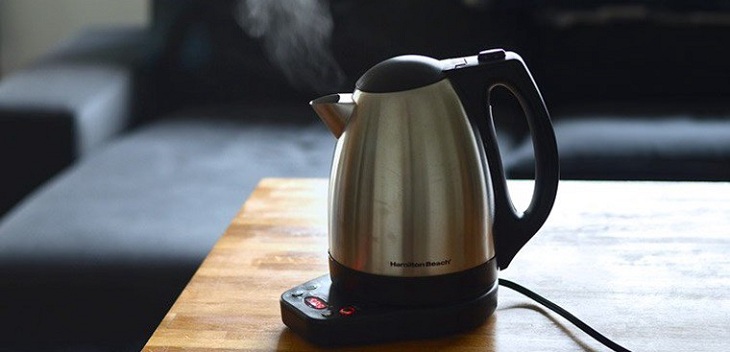
Many people leave water in the kettle and reboil it throughout the day. While this may seem convenient, it’s not ideal.
What happens:
Why it matters:
Repeated boiling reduces the freshness of the water and can subtly affect both flavor and quality—especially noticeable in tea or coffee.
Better habit:
Pour out unused water and refill the kettle with fresh water each time you boil.
After washing or refilling your kettle, it’s easy to overlook moisture on the base or heating plate.
What happens:
Why it matters:
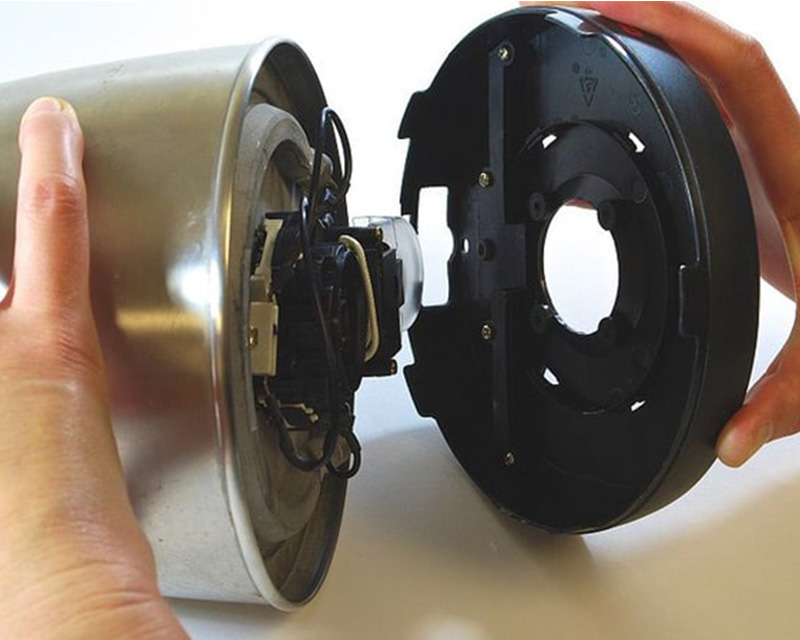
Electric kettles rely on a dry connection between the base and the kettle itself. Even small amounts of moisture can compromise safety and damage internal wiring.
Better habit:
Always dry the bottom of the kettle and the base before placing it back. Keep the surrounding area clean and dry as well.
Individually, these mistakes may not cause immediate damage. But over time, they can:
A kettle is designed to be simple - but like any electrical appliance, it performs best when used correctly.
Your electric kettle may seem low-maintenance, but small daily habits can have a big impact. Avoid overfilling, clean out limescale regularly, use fresh water, and keep the base dry to ensure both safety and performance.
By making a few simple adjustments, you can extend the life of your kettle, improve water quality, and prevent hidden issues before they turn into real problems.
Where does the gas go when you resist passing gas, and what happens inside your body?
How to Eat Smart Without Cutting Out Your Favorite Foods

You’ve Been Sitting on This Safety Feature Without Knowing It

Medical Overview: Symptoms of Advanced Liver Cancer

8 wrong things woman do without knowing that they are pushing their man away to another woman
What’s the correct order: phone first or charger first?

Which Rose Do You Choose? Discover What It Says About You

A Simple We.ed with Value Beyond Gold

It’s not random—your body is telling you something

Not just a random visit—there’s more behind it
A helpful tip that i wish i knew about sooner

Pick the Most Attractive Woman and Discover What It Says About You

Feeling Sleepy After Showering? Here Are the Hidden Reasons
What Really Happens If You Swallow Gum?

After a loved one passes, some items should be kept.

Why do hotel beds usually come with four pillows and what are the extra two for?

If a millipede crawls into your house, pause before taking action

Why is noon the standard check-out time in most hotels?

These skin signs could mean something serious

The Truth About Sweet Potatoes — 8 Things Most People Don’t Know
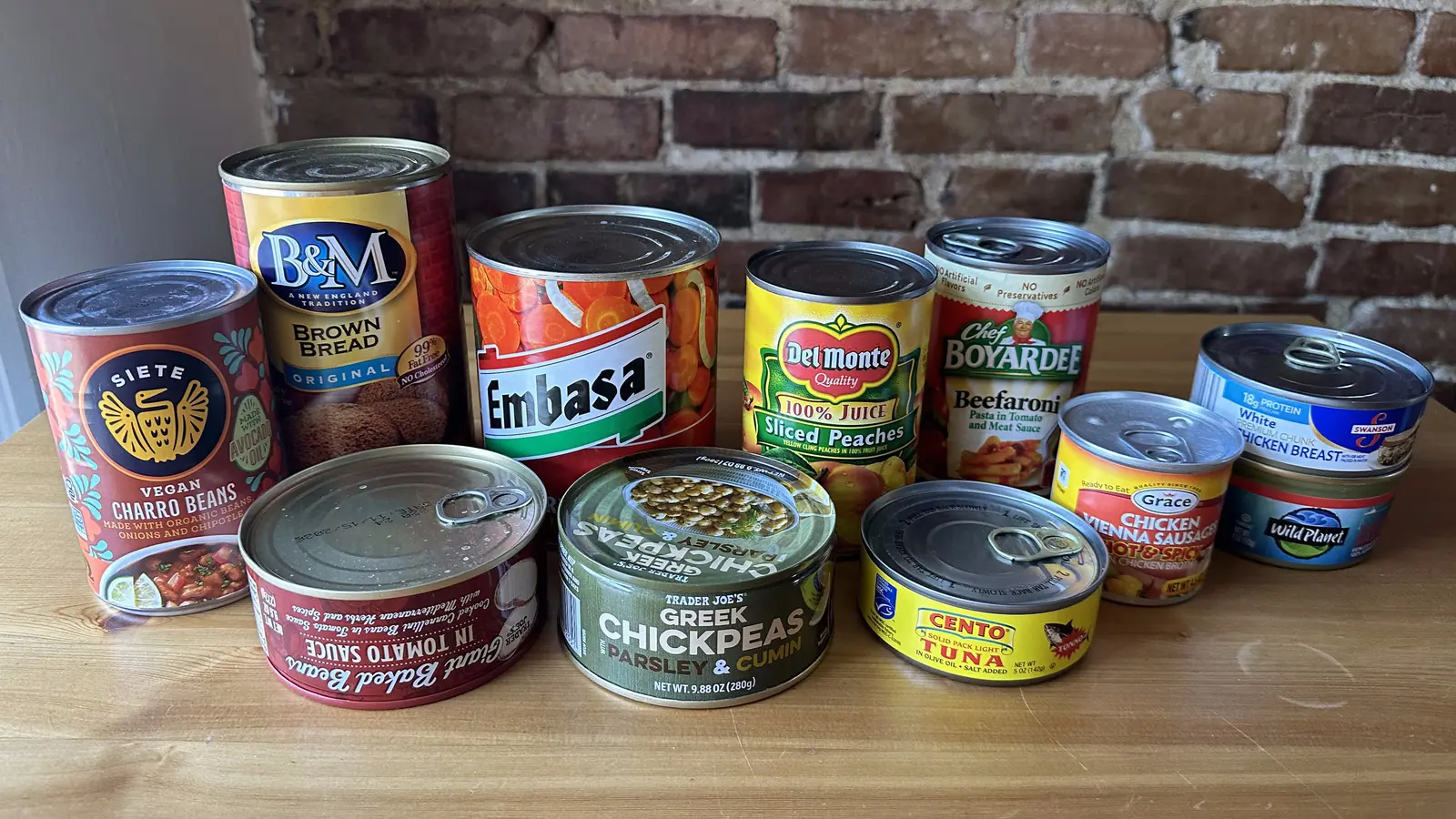
Regularly Eating Canned Foods? This Is What It Does to Your Health
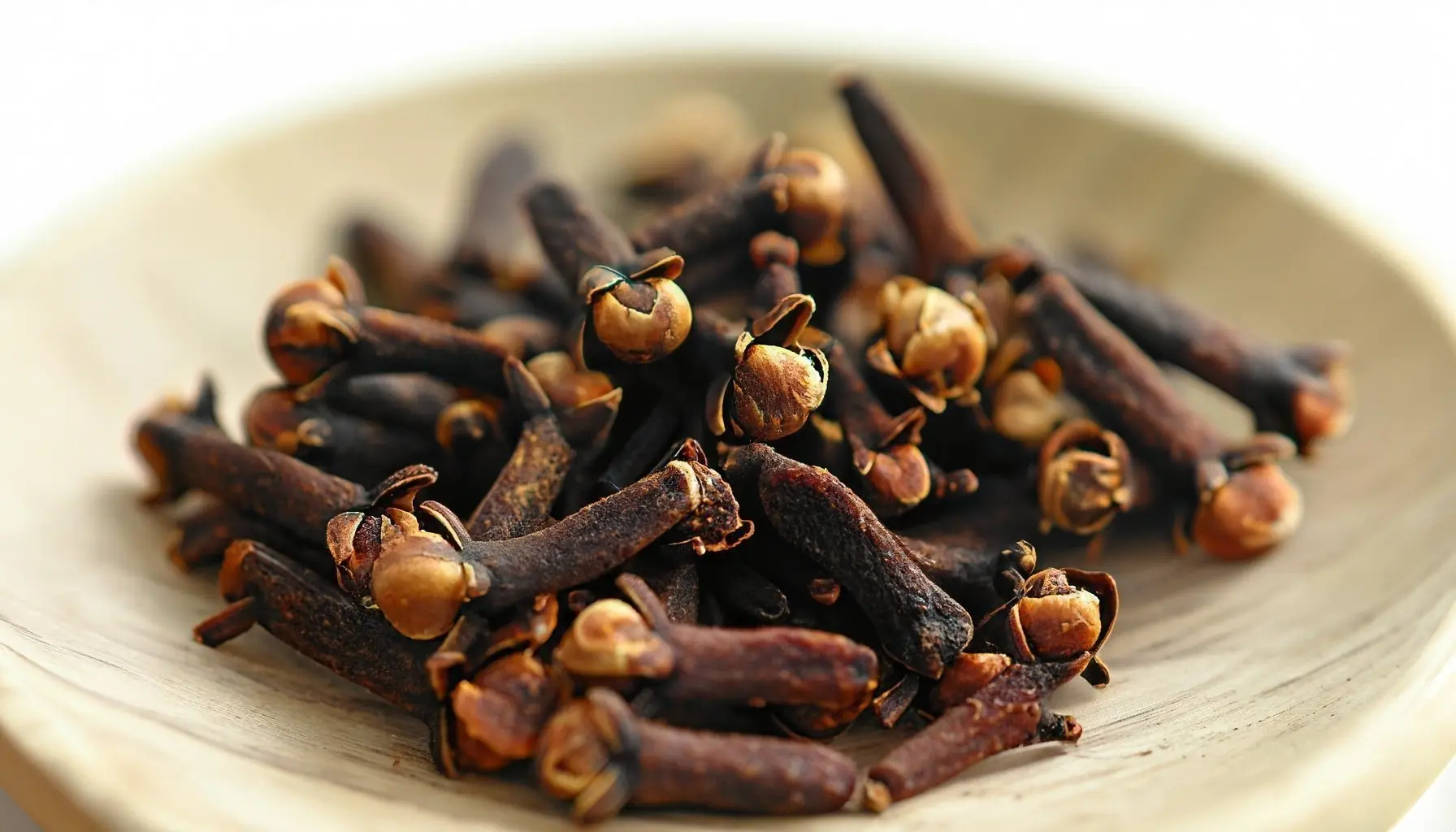
10 essential tips to use cloves effectively

Pokeweed: Attractive in appearance but potentially harmful

Doctors study whether your blo.od type can affect your risk of developing can.cer

Avoid These 10 Foods at Night, According to a Dietitian

Itching in Specific Areas? Here’s When It Could Indicate a Serious Illness
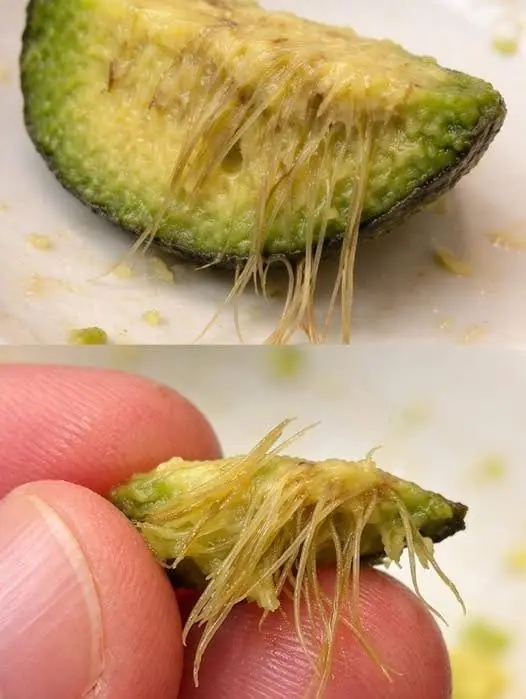
Why Your Avocado Is Stringy — And Why It’s Totally Normal
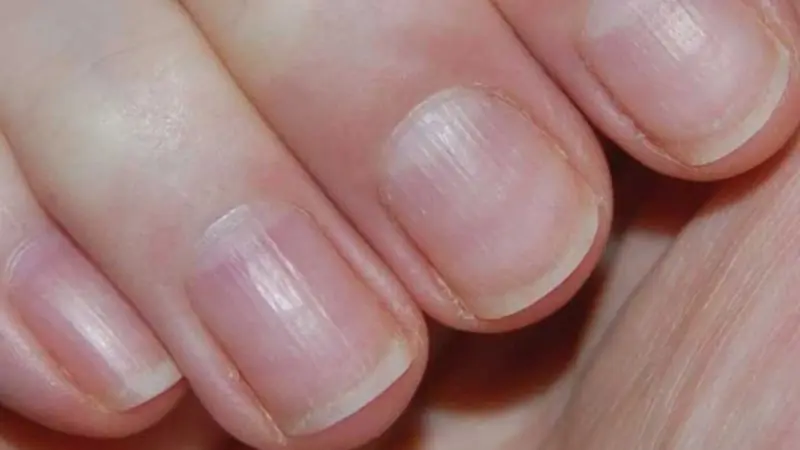
Health experts reveal 8 hidden conditions your nails may be signaling
Where does the gas go when you resist passing gas, and what happens inside your body?
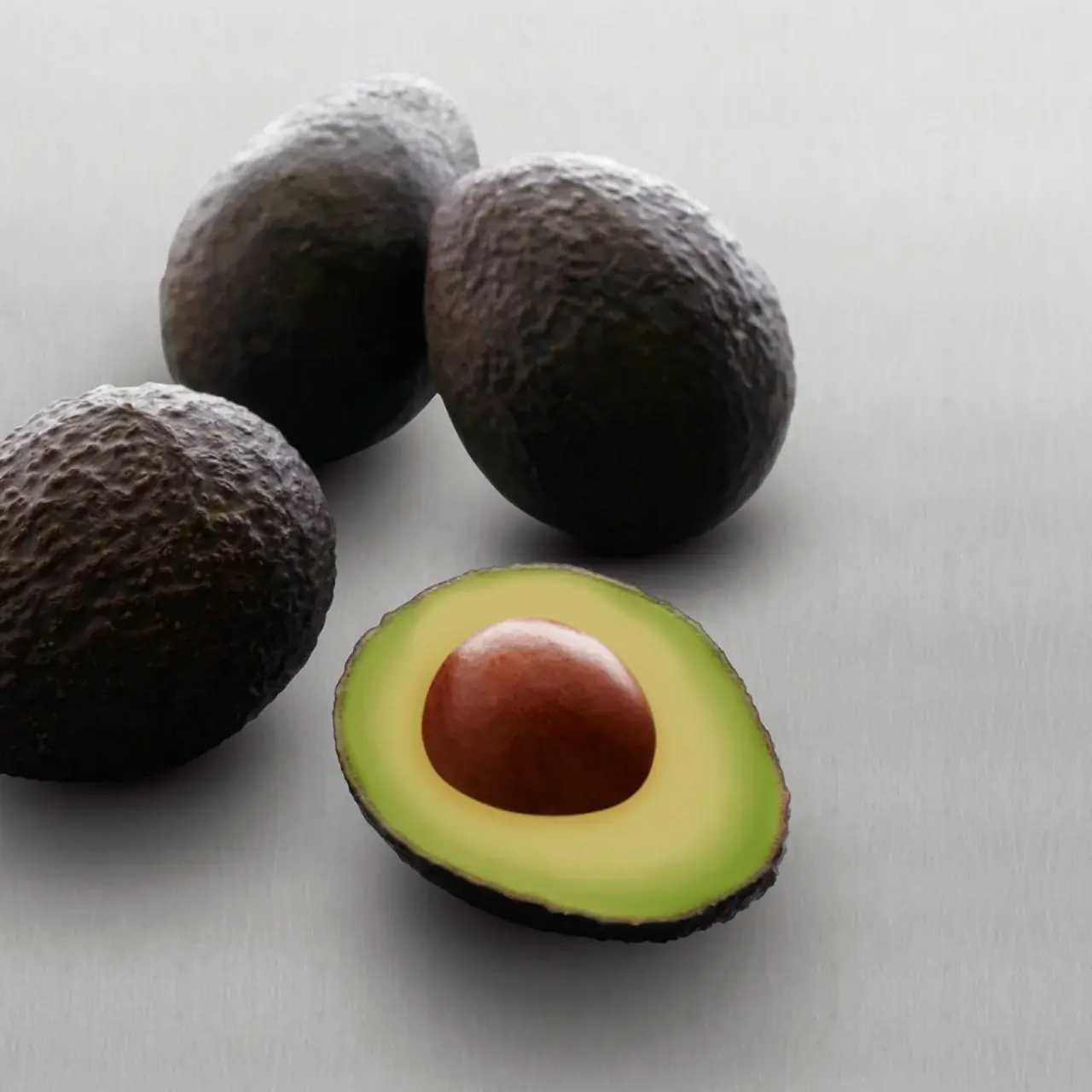
Eating Avocado Before Bed — Here’s How It Affects Your Sleep

From Fear to Peace: Little Punchy’s Journey to Safety and Rest
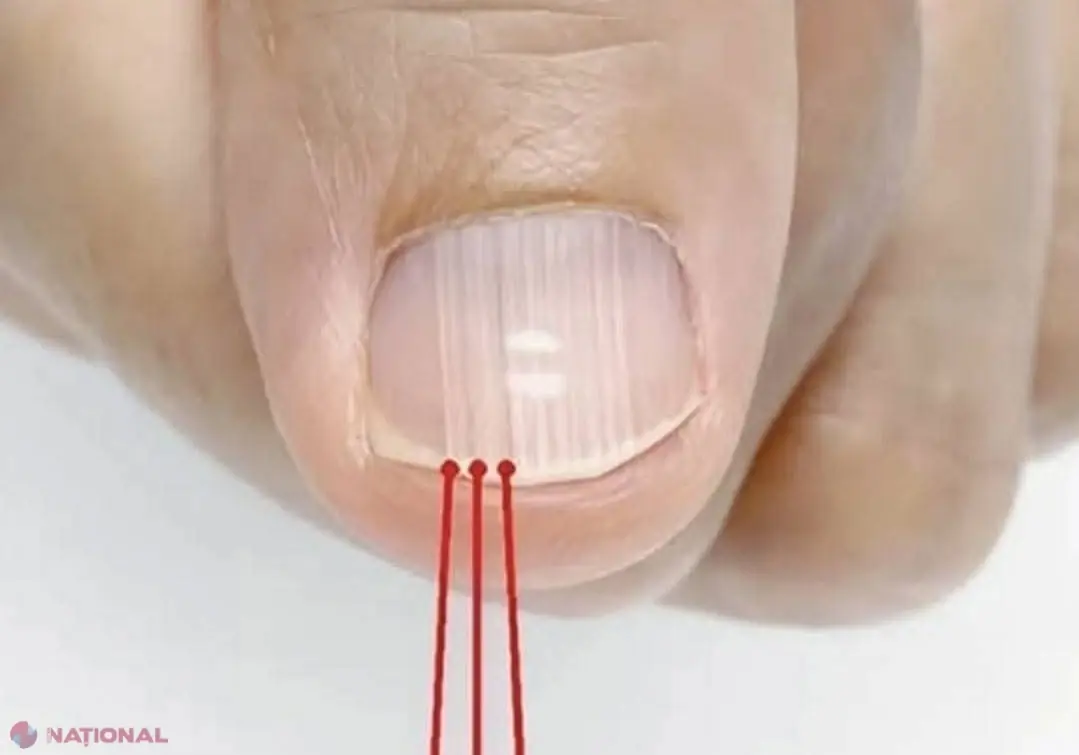
Your Nails After 40 Can Say a Lot — Especially If You See These Lines

Wearing Socks to Bed Might Do More for Your Body Than You Think

What Really Happens to Your Body When You Eat Japanese Sweet Potatoes Regularly?

Did you know? Waking up at 3 or 4 AM could be a powerful sign that…

Smart travel hack: Why should you roll a water bottle under your hotel bed?
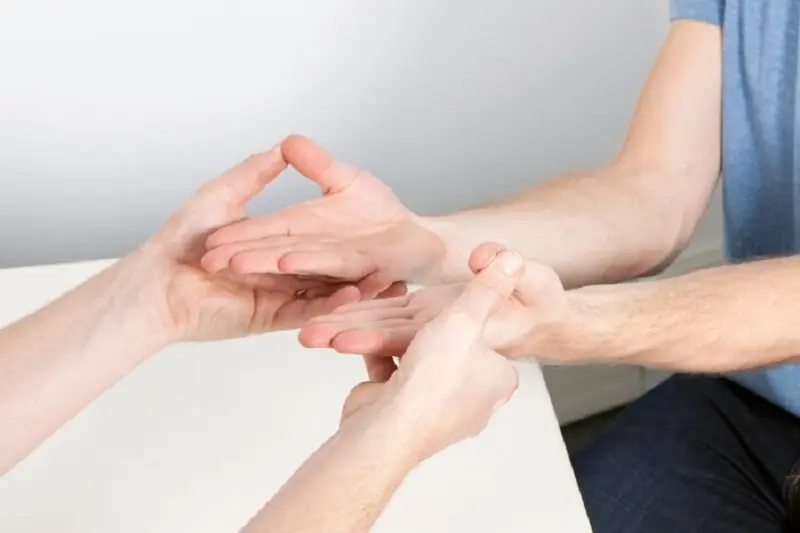
If you frequently experience these 5 strange signs, it could be a warning of diabetes
How to Eat Smart Without Cutting Out Your Favorite Foods