Food 26/03/2026 13:01
10 Secrets About Okra That Could Change How You Eat It
10 Things Nobody Tells You About Eating Okra

10 Secrets You Need to Know Before Eating Okra
Okra, also known as “lady’s finger,” is a green, finger-shaped vegetable that’s widely loved for its unique texture and nutritional benefits. From gumbo in the American South to curries in India, okra is a versatile ingredient enjoyed around the world. But before you toss it into your pan, there are some important things you should know. Here are 10 secrets about okra that can help you enjoy it safely, healthily, and deliciously.
1. Okra Is Packed With Nutrients
Okra is more than just a tasty vegetable—it’s a nutritional powerhouse. Each serving is rich in:
- Vitamin C, which boosts immunity
- Vitamin K, important for blood clotting and bone health
- Fiber, which aids digestion
- Antioxidants like flavonoids and polyphenols
Including okra in your diet can support heart health, improve digestion, and even help manage blood sugar levels.
2. Raw Okra Has a Unique Mucilaginous Texture
One of okra’s most notable features is its slimy interior. This mucilage is a natural thickener and is responsible for the “slimy” texture in dishes like gumbo. While some people find it off-putting, it’s actually a health benefit: the mucilage helps slow digestion, which can stabilize blood sugar and improve gut health.
3. Okra Can Help Lower Cholesterol
Several studies suggest that okra may help reduce cholesterol levels. The soluble fiber in okra binds to cholesterol in the digestive tract, helping your body remove it naturally. Regular consumption may support heart health and reduce the risk of cardiovascular diseases.
4. Eating Too Much Okra Can Cause Digestive Discomfort

While okra is healthy, it’s also high in fiber. Eating large amounts suddenly can lead to gas, bloating, or even diarrhea, especially if your body isn’t used to a high-fiber diet. Introduce it gradually and drink plenty of water to avoid discomfort.
5. Okra Seeds Are Edible
Many people remove the seeds out of habit, but okra seeds are completely edible. They are rich in protein, healthy fats, and antioxidants. Roasting okra seeds can even make a nutritious snack.
6. Cooking Methods Affect Its Sliminess
The slimy texture of okra can be minimized depending on how you cook it:
- Roasting or frying reduces slime.
- Cutting it into larger pieces and cooking quickly also helps.
- Cooking with acidic ingredients like tomatoes or lemon juice can prevent excessive mucilage.
Knowing how to handle okra will make it more enjoyable for those sensitive to texture.
7. Okra May Interact With Certain Medications
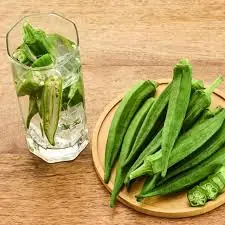
Okra is generally safe for most people, but it contains high levels of fiber and certain compounds that may affect blood sugar levels. If you take medication for diabetes or blood-thinning drugs, consult your doctor before making okra a regular part of your diet.
8. Okra Is Low in Calories But Filling
Okra is a great choice for weight management. It is low in calories, high in fiber, and keeps you full longer. Adding okra to your meals can help reduce snacking and maintain steady energy levels throughout the day.
9. Freshness Matters
Fresh okra should be firm, bright green, and free from blemishes. Avoid pods that are soft, brown, or shriveled, as these can taste bitter and may have lost nutrients. Store fresh okra in a paper bag in the refrigerator for up to 3–4 days.
10. Okra Has Surprising Health Benefits
In addition to aiding digestion and lowering cholesterol, okra may:
- Help control blood sugar, thanks to its soluble fiber and mucilage
- Boost immune function, due to vitamins C and A
- Support eye health, as it contains carotenoids like lutein and zeaxanthin
- Improve skin and hair, thanks to antioxidants and vitamins
These benefits make okra a simple but powerful addition to a healthy diet.
Conclusion
Okra is far more than just a green, slimy vegetable. Packed with nutrients, fiber, and antioxidants, it can support heart health, digestion, blood sugar control, and more. But like all foods, preparation and moderation matter. By understanding its texture, cooking methods, and potential interactions, you can enjoy okra safely and deliciously.
Next time you pick up a bunch of fresh okra at the market, remember these 10 secrets—and get ready to enjoy this versatile vegetable in a whole new way.
News in the same category

A Bag of These Showed Up From Next Door… Now What?
My Neighbor Dropped Off a Bag of These… What Are They Supposed to Be?

Doctors Reveal What Really Happens When You Eat Cucumber in Salads Every Day
Doctors Reveal That This Simple Habit Might Be Quietly Causing…

Eating Chili Peppers Daily: Here’s What Might Happen to Your Body
This Is What Happens When You Eat Chili Peppers Every Day
Bananas at 11 PM? Here’s What Doctors Say Could Happen to Your Body
Doctors Reveal the Unexpected Effects of Eating Bananas Right Before Bed
Steamed Ginger: Why This Easy Habit Is Gaining So Much Attention
Steamed Ginger: A Natural Remedy With Surprisingly Strong Benefits

Daily corn consumption sounds harmless… until you see what it does to your body
You won’t believe what eating corn every day can do to your health…

You’ve Been Eating Chocolate Wrong—Here’s the Perfect Time to Enjoy It
Chocolate Lovers Rejoice: You’ve Been Doing It Wrong This Whole Time

Ever wondered how cassava affects your body? Here’s what doctors say — see more
What does cassava actually do to your body? Doctors explain — see more
7 Little-Known but Remarkable Benefits of Pineapple Juice That Your Body Will Thank You For
7 Emerging Health Benefits of Pineapple Juice Backed by Research That You Absolutely Should Know About

Referred to as “the common man’s ginseng,” this root offers impressive health benefits that are still underappreciated
Few know about this root, yet it’s dubbed “the common man’s ginseng” for its astonishing health-boosting powers
Discover how eating walnuts may impact your body, according to medical experts
Health experts explain the effects of walnuts on your body
Before you add chia seeds to your diet, make sure you’re not one of these 5 at-risk groups
Chia seeds are healthy — but not for everyone. Here are 5 people who should be careful

Turn Your Kitchen Waste Into Garden Gold: The Magic of Boiled Eggshells (The Zero-Cost Trick That Makes Plants Explode with Growth & Flowers)
Turn kitchen waste into garden gold with boiled eggshells — a simple, zero-cost trick for healthier, blooming plants.

Discover the health benefits of chayote squash: 7 science-backed reasons to eat more
Why chayote squash deserves a place on your plate: 7 proven health advantages you shouldn’t miss
Daily health tip: how steamed ginger helps prevent colds and flu
Steamed ginger: a daily secret to warm your body and stay healthy

Hidden Heart-Healthy Foods and the Right Way to Enjoy Them
Foods You Didn’t Know Could Support Heart Health (When Eaten Properly)

Turmeric: A Natural Ally for Women’s Health and Vitality
How Turmeric Can Be a Helpful Addition to Your Daily Health Routine
Leeks and Your Health: What This Common Vegetable Can Offer
Surprising Nutritional Benefits of Leeks for Heart, Bones, and Overall Health
News Post
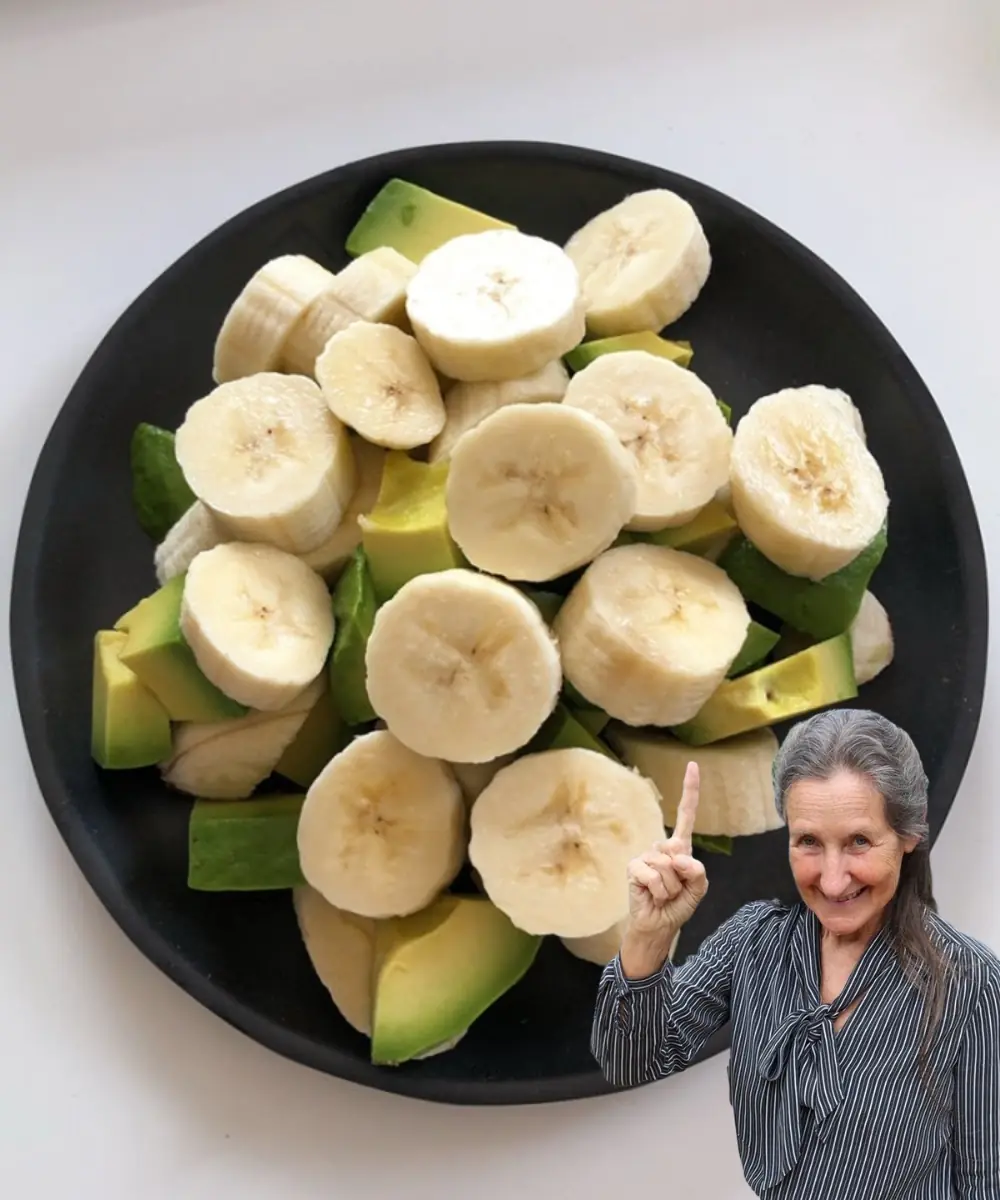
15 Powerful Benefits of Eating Banana and Avocado for Breakfast
What Happens When You Eat Banana and Avocado Every Morning
Health 26/03/2026 14:34

This Is What Happens When White Rice Becomes a Daily Habit
White Rice Every Day—Good or Bad? Find Out Below
Health 26/03/2026 14:13
5 ways chia seeds can boost your health with consistent consumption
5 powerful health benefits of eating chia seeds on a regular basis
Facts 26/03/2026 14:05

Think Twice Before Eating Sweet Potatoes—Read These 8 Facts First
Sweet Potatoes: Read These 8 Facts Before You Take a Bite
Health 26/03/2026 13:59

How to grow chili peppers in containers for abundant harvests
Guide to planting chili peppers in pots to produce more fruit
Tips 26/03/2026 13:56

This Foot Symptom Could Mean Serious Damage — Don’t Ignore It
Fatty liver disease is often called a “silent condition” because it can progress for years without obvious symptoms. Many people discover it only through routine blood tests or imaging. However, when the disease reaches an advanced stage, certain p
Health 26/03/2026 13:51

6 Types of Fish You Should Never Eat — No Matter the Price
Fish is often praised as a healthy source of protein, omega-3 fatty acids, and essential nutrients. However, not all fish are equally safe or
Health 26/03/2026 13:43

Many of you still don't know what could happen if you continue to sleep like this all night.
Using a fan while sleeping might seem like the perfect solution for a hot room — but it can have unintended side effects on your health and sleep quality. While some enjoy the white noise or breeze, experts warn that using a fan improperly at night ca
Health 26/03/2026 13:39

Comparing Health: What Experts Say
Nighttime urination, or nocturia, is so common that many people consider it a normal part of aging. However, doctors emphasize that the difference between “never waking up to urinate at night” and “waking multiple times to urinate” can reveal
Health 26/03/2026 13:33

Understanding Possible Warning Signs Affecting the Lungs
Waking Up With These 4 Symptoms May Signal Lung Cancer Is “Taking Over the Lungs,” Doctors Warn
Health 26/03/2026 13:30
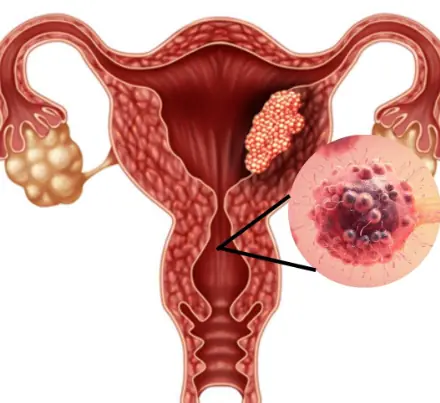
5 Silent Symptoms of Cervical Cancer Every Woman Should Know
Cervical cancer is the fourth most common cancer affecting women globally, according to the World Health Organization (WHO).
Health 26/03/2026 13:27

Tragic Case Sparks Warning: 7 Habits to Avoid in Midlife
A 52-Year-Old Woman Di.ed from a Stro.ke: Middle-Aged People, Stop Doing These 7 Things—Even in the Cold Winter—Before It’s Too Late! Remember these for yourself, and remind your parents too!
Health 26/03/2026 13:18

Why Are Women’s Showers So Much Hotter Than Men’s? A Doctor Explains
Doctor Reveals Why Women Prefer Much Hotter Showers Than Men
Health 26/03/2026 12:15

When should you eat sweet potatoes? 5 timing strategies to boost health
The best times to eat sweet potatoes: 5 tips for maximum health benefits
Health 26/03/2026 11:35
Can Sprouted Potatoes Make You Sick? The Truth Explained
Food 26/03/2026 11:24

6 kinds of meat consumers should be cautious about due to potential health risks
6 meats you should limit or watch out for because of possible health issues
Health 26/03/2026 11:23

Health professionals suggest that “3 yellows and 1 red” might be a warning sign of liver str.ess or inj.ury
According to medical experts, “3 yellows and 1 red” may indicate liver strain or potential dam.age
Health 26/03/2026 11:13

Kindhearted Dog Shares His Meal with Stray Cat, Leaving Owner Speechless
Dog’s Selfless Act of Sharing Food with Stray Cat Leaves Owner Speechless
News 26/03/2026 11:00

The popular beverage people drink every day that may harm bone health over time
A widely consumed drink that might reduce bone strength if taken regularly
Health 26/03/2026 10:48