7 Little-Known but Remarkable Benefits of Pineapple Juice That Your Body Will Thank You For
7 Emerging Health Benefits of Pineapple Juice Backed by Research That You Absolutely Should Know About
Cassava—also known as yuca or manioc—is a staple food for millions of people around the world. This starchy root is widely used in foods like tapioca, cassava flour, fries, and traditional dishes across Africa, South America, and Asia.
But recent headlines warning about cassava have left many people confused. So what’s the truth? Is it healthy or dangerous?
Cassava is a tropical root vegetable rich in carbohydrates and commonly used as an energy source. It’s naturally gluten-free and easy to grow, making it an important food in many regions.

Cassava mainly provides:
While it’s filling and affordable, cassava is not a highly nutrient-dense “superfood.”
Cassava naturally contains compounds that can release cyanide if not processed properly. There are two types:
Health issues can occur when cassava is eaten in large amounts without proper preparation, especially in regions where it is a primary food source.
Possible risks include:
However, these risks are mostly linked to improper processing or over-reliance on cassava.

Yes—cassava is generally safe when:
Store-bought products like tapioca and cassava flour are typically safe because they meet food safety standards.
Cassava is rich in carbohydrates, making it useful for people needing calorie-dense foods.
It’s a good alternative for people with gluten intolerance or celiac disease.
Cassava grows in harsh conditions, helping provide food in many parts of the world.
It contains vitamin C and potassium, supporting overall health.
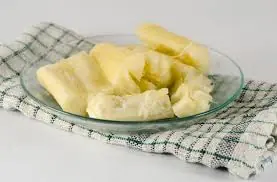
The biggest concern isn’t cassava itself—but relying on it too much. Diets that depend heavily on cassava and lack protein, healthy fats, and essential nutrients can lead to malnutrition over time.
Tapioca is a refined product made from cassava starch. It is:
It’s fine occasionally, but not a significant source of nutrition.
Cassava is neither a miracle food nor a dangerous one when used properly. It’s a valuable source of energy that has supported millions of people for generations.
The key is simple:
When you see alarming headlines about cassava, remember—they often ignore the full context. The real story is about how it’s prepared and how much you consume.

7 Emerging Health Benefits of Pineapple Juice Backed by Research That You Absolutely Should Know About

Few know about this root, yet it’s dubbed “the common man’s ginseng” for its astonishing health-boosting powers

Health experts explain the effects of walnuts on your body

Chia seeds are healthy — but not for everyone. Here are 5 people who should be careful

Turn kitchen waste into garden gold with boiled eggshells — a simple, zero-cost trick for healthier, blooming plants.

Why chayote squash deserves a place on your plate: 7 proven health advantages you shouldn’t miss

Steamed ginger: a daily secret to warm your body and stay healthy

Foods You Didn’t Know Could Support Heart Health (When Eaten Properly)

How Turmeric Can Be a Helpful Addition to Your Daily Health Routine

Surprising Nutritional Benefits of Leeks for Heart, Bones, and Overall Health

Tomatoes Like You’ve Never Seen Before: Shocking Truths Revealed!

Daily Sweet Potato Intake: What Happens to Your Body and Why It Matters

Want better health? Here are the 3 best times to drink coconut water—and who should enjoy it daily

Boost your collagen naturally with this simple nightly beetroot recipe — you won’t believe the difference!The best natural collagen boost? Try this every night — you’ll be amazed! Beetroot recipes inside

Experts uncover the effects of guava on your body — and some may surprise you

Start Your Day with Boiled Sweet Potatoes: The Unexpected Health Boost You Need

“World’s Deadliest Food”? The Truth About Cassava and Why Millions Still Eat It Safely

Unlock the Secret Benefits of Cauliflower: 8 Reasons to Eat More

3 Things That Don’t Pair Well with Eggs—Here’s Why

Thinking about drinking lemon juice every morning? Here’s what happens — and a few things to keep in mind

Doctors warn that consuming beets may lead to noticeable changes

10 ways corn silk may support your health and how to use it effectively

A quick and gentle way to eliminate facial hair with no pain

Doctors say that consuming bananas may lead to unexpected effects

Choosing sweet potatoes over white rice could change more than you think

Adjust how you sleep to avoid neck strain, acid reflux, and protect your heart

Stroke is an extremely dangerous medical condition that can take a person's life within moments. Before a stroke actually occurs, the body usually shows some definite warning signs.

Fatty liver disease, also known as hepatic steatosis, is a condition in which excess fat accumulates in the liver.

At first glance, the feet may seem completely unrelated to cervical cancer. The cervix is part of the reproductive system, while the feet are far from the pelvis. So can changes in the feet really signal cervical cancer?

Rejected by His Mother, Embraced by His Troop: Punch the Baby Monkey’s Remarkable Tale

7 Emerging Health Benefits of Pineapple Juice Backed by Research That You Absolutely Should Know About

2 Cloves Every Morning: A Small Routine With Big Health Advantages

Leg pain, rheumatism, arthritis, and varicose veins are common problems that affect millions of people worldwide. These conditions often develop gradually and may worsen over time, leading to discomfort, stiffness, swelling, and reduced mobility.

Urticaria is a skin condition that affects 1 in 5 people at certain period of their life. It causes intensely itchy, raised patches on the skin known as weals (or hives) that can be round or ring shaped and may join together.


Nighttime drooling isn’t always harmless — these 6 conditions could be warning signs

Oregano, a fragrant herb commonly associated with Italian and Mediterranean cuisine, has long been prized not only for its flavor but also for its potential health benefits.

For many years doctors thought that such things as spicy food, stress, smoking and lifestyle habits were the major causes of stomach pain. It all changed in 1982 when it was discovered that a majority of stomach pain and ulcers were actually caused by ger