If You Drool While Sleeping Often, Check for These 6 Possible Health Issues
Drooling during sleep is usually considered harmless, but frequent or excessive drooling can sometimes indicate underlying health problems. While many people experience the occasional nighttime drool, persistent issues may be a signal that your body needs attention. Here are six conditions that could be linked to excessive drooling:
1. Sleep Apnea
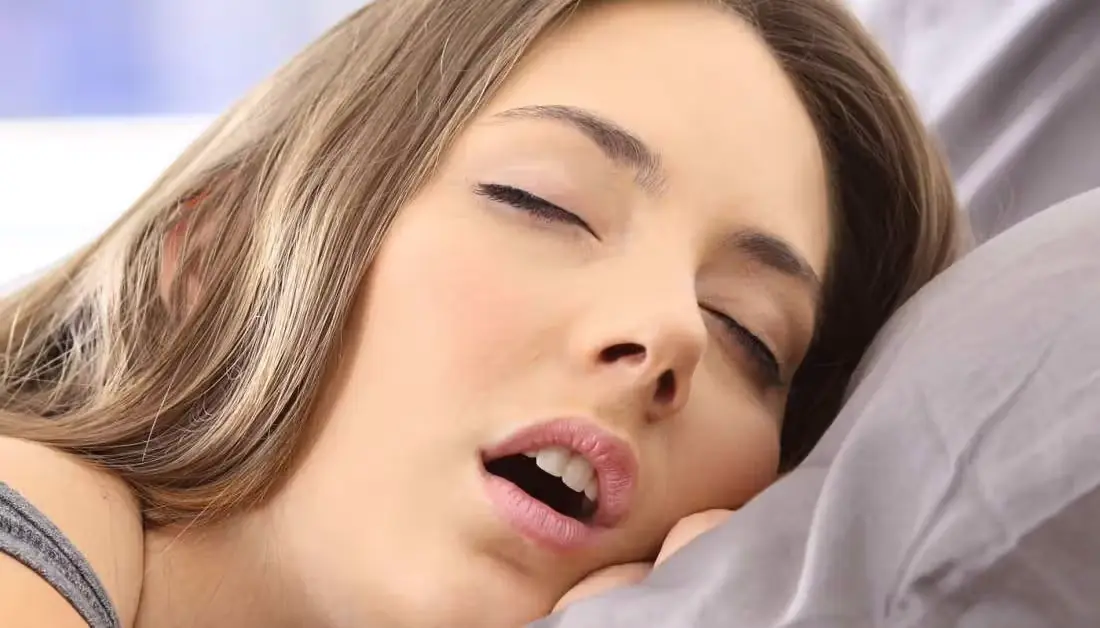
Obstructive sleep apnea is a condition where the airway becomes partially or completely blocked during sleep. This can cause breathing difficulties and lead to mouth breathing, which often results in drooling. Other symptoms include snoring, daytime fatigue, and morning headaches.
2. Acid Reflux or GERD
Gastroesophageal reflux disease (GERD) can cause stomach acid to flow back into the esophagus, sometimes reaching the throat and mouth. This may stimulate excessive saliva production, leading to drooling during sleep. Heartburn and a sour taste in the mouth are common signs.
3. Neurological Disorders
Certain neurological conditions, such as Parkinson’s disease, stroke, or cerebral palsy, can affect muscle control in the face and mouth. Weakness in the muscles that control swallowing can result in saliva pooling and drooling, especially at night.
4. Allergies or Sinus Problems
Blocked nasal passages from chronic allergies or sinus infections can make it difficult to breathe through the nose, causing mouth breathing and increased drooling. Symptoms often include congestion, sneezing, and sinus pressure.
5. Dental Issues

Problems with teeth or gums, such as misaligned teeth, cavities, or infections, can make it uncomfortable to close the mouth fully, leading to drooling while sleeping. Regular dental check-ups can help prevent these issues.
6. Medication Side Effects
Some medications, especially those that affect the nervous system or increase saliva production, can contribute to nighttime drooling. If you notice a change after starting a new prescription, discuss it with your doctor.
When to See a Doctor
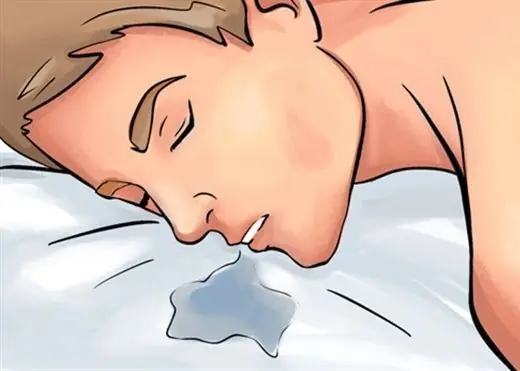
Occasional drooling is generally harmless, but frequent or severe drooling that interferes with sleep, causes skin irritation, or accompanies other symptoms should be evaluated by a healthcare professional. Early diagnosis and treatment of underlying conditions can improve both sleep quality and overall health.
References
- Mayo Clinic – Excessive Saliva (Hypersalivation)
- National Sleep Foundation – Sleep Disorders and Health Risks
- American Academy of Otolaryngology – Sleep Apnea and Related Symptoms