5 Kinds of People Who Should Be Careful When Eating Chia Seeds
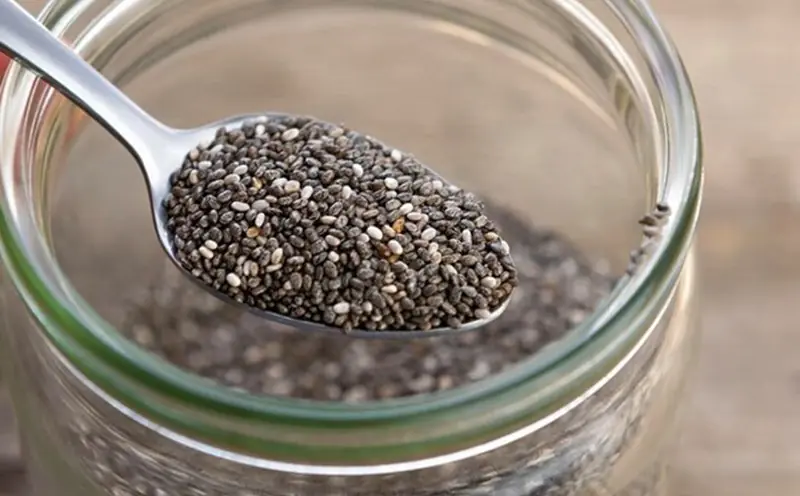
Chia seeds are widely known as a “superfood,” packed with fiber, omega-3 fatty acids, protein, and antioxidants. They can support digestion, heart health, and weight management. However, despite their benefits, chia seeds aren’t suitable for everyone in every situation. Some people should be especially cautious when adding them to their diet.
Here are five groups who should take care:
1. People with Swallowing Difficulties
Chia seeds can absorb up to 10–12 times their weight in water and expand into a gel-like texture. If eaten dry, they may swell in the throat and increase the risk of choking or blockage—especially for individuals with swallowing disorders (dysphagia).
👉 Tip: Always soak chia seeds before eating or mix them thoroughly into moist foods like yogurt or smoothies.
2. People with Digestive Sensitivities
Chia seeds are extremely high in fiber (about 10g per 2 tablespoons). While fiber is beneficial, consuming too much too quickly can cause bloating, gas, or stomach discomfort—particularly for those with sensitive digestive systems or conditions like IBS.
👉 Tip: Start with small amounts and increase gradually while drinking plenty of water.
3. People Taking Blood Pressure or Blood-Thinning Medications
Chia seeds may naturally help lower blood pressure and have mild blood-thinning effects due to their omega-3 content. While this can be beneficial, it may amplify the effects of medications, potentially leading to blood pressure dropping too low or increased bleeding risk.
👉 Tip: Consult a healthcare provider if you’re on medication for blood pressure or blood clotting.
4. People with Food Allergies or Seed Allergies
Although rare, chia seed allergies do exist. People who are allergic to sesame or mustard seeds may have a higher risk of reacting to chia seeds due to cross-reactivity. Symptoms can include itching, rashes, or more severe allergic reactions.
👉 Tip: Try a small amount first and monitor for any unusual reactions.
5. People with Diabetes (Needing Careful Monitoring)
Chia seeds can help regulate blood sugar levels thanks to their high fiber content. However, they may also enhance the effects of diabetes medications, potentially causing blood sugar to drop too low (hypoglycemia) if not monitored properly.
👉 Tip: Track your blood sugar levels when introducing chia seeds into your diet and consult your doctor if needed.
Final Thoughts
Chia seeds can be a powerful addition to a healthy diet—but like any food, they should be consumed mindfully. The key is moderation, proper preparation (especially soaking), and awareness of your own health conditions.
Sources
- Harvard T.H. Chan School of Public Health – “Chia Seeds”
- Mayo Clinic – Dietary Fiber: Essential for a Healthy Diet
- National Institutes of Health (NIH) – Omega-3 Fatty Acids Fact Sheet
- American Heart Association – Fiber and Heart Health