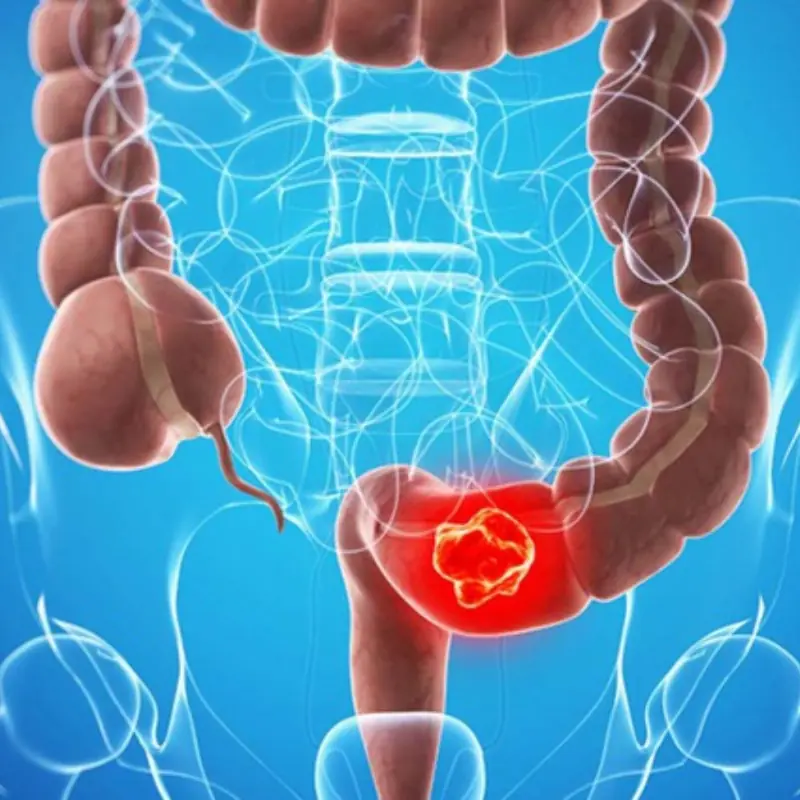
Colon cancer, also known as colorectal cancer, is becoming increasingly common worldwide. Once considered a condition affecting mainly older adults, recent trends show a growing number of younger individuals being diagnosed.
Medical experts emphasize that early detection is key to successful treatment. However, many people overlook the warning signs, often mistaking them for minor digestive issues. Understanding the symptoms can help you take action early and protect your health.
Why Colon Cancer Cases Are Rising
Several factors may contribute to the rising incidence of colon cancer, including lifestyle changes and dietary habits.
Modern diets high in processed foods, low fiber intake, lack of physical activity, and increased stress levels may all play a role. Additionally, genetic predisposition and underlying health conditions can increase risk.
Because symptoms often develop gradually, many cases are diagnosed at later stages, making awareness even more important.
1. Persistent Changes in Bowel Habits
One of the most common early signs is a noticeable change in bowel movements.
This may include:
- Frequent diarrhea or constipation
- Alternating between both
- A feeling that the bowel does not empty completely
If these changes last for several weeks without a clear cause, they should not be ignored.
2. Blood in Stool
Seeing blood in your stool can be alarming—and it should always be taken seriously.
The blood may appear bright red or darker, depending on where the bleeding occurs. While it can be caused by less serious conditions like hemorrhoids, it may also be a sign of colon cancer.
Any unexplained bleeding should be evaluated by a healthcare professional.
3. Abdominal Pain or Discomfort
Ongoing abdominal pain, cramps, or bloating can be another warning sign.
This discomfort may feel like pressure or fullness in the lower abdomen and can persist even after eating or using the bathroom.
Unlike occasional stomach aches, cancer-related discomfort tends to be consistent and unexplained.
4. Unexplained Weight Loss
Losing weight without trying is often a red flag for many serious conditions, including cancer.
If you notice significant weight loss without changes in diet or exercise, it may indicate that your body is dealing with an underlying issue.
This symptom is often overlooked until it becomes more pronounced.
5. Fatigue and Weakness
Chronic fatigue that doesn’t improve with rest can also be linked to colon cancer.
This may occur due to internal bleeding or the body’s response to the disease. As a result, individuals may feel constantly tired, weak, or short of energy.
If fatigue persists despite adequate rest, it’s important to investigate further.
When Should You See a Doctor?
You should seek medical attention if:
- Symptoms last longer than a few weeks
- You notice blood in your stool
- You experience unexplained weight loss
- Fatigue interferes with daily life
Early diagnosis can significantly improve treatment outcomes, so it’s better to act sooner rather than later.
How to Reduce Your Risk
While not all cases can be prevented, certain lifestyle changes may help reduce your risk:
- Eat a diet rich in fiber, fruits, and vegetables
- Limit processed and red meat
- Exercise regularly
- Maintain a healthy weight
- Avoid smoking and excessive alcohol consumption
Regular screenings, especially for those over 45 or with risk factors, are also essential.
Conclusion
Colon cancer is a growing health concern, but early detection can save lives. The five symptoms outlined above are important warning signs that should never be ignored.