Most people associate stroke with sudden, dramatic symptoms that occur while they are awake. However, what many don’t realize is that a stroke can also happen during sleep. In some cases, people wake up already experiencing symptoms - a situation often referred to as a “wake-up stroke.”
Because the event occurs overnight, early warning signs can easily be missed or ignored. Recognizing these subtle signals is critical, as timely medical attention can significantly reduce long-term damage and improve recovery outcomes.
Below are five warning signs of a possible stroke that you should never ignore, especially if they appear upon waking or during the night.
1. Sudden Numbness or Weakness on One Side of the Body
One of the most common stroke symptoms is sudden weakness or numbness, particularly on one side of the body.
You may notice:
- A heavy or “dead” feeling in one arm or leg
- Difficulty lifting or moving one side
- Loss of coordination
If this occurs upon waking, it may indicate that the stroke happened during sleep.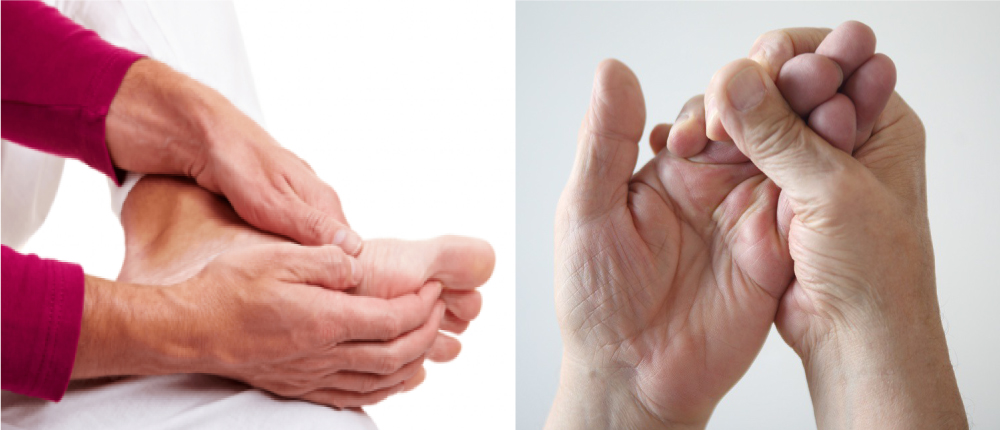
2. Difficulty Speaking or Slurred Speech
Speech problems are a major red flag.
Signs include:
- Slurred or unclear speech
- Trouble forming words
- Difficulty understanding others
Sometimes, people wake up feeling mentally confused or unable to communicate properly — this should be treated as an emergency.
3. Sudden Vision Problems
Changes in vision can be another early warning sign.
These may involve:
- Blurred or double vision
- Loss of vision in one or both eyes
- Difficulty focusing
Because these symptoms can be subtle, they are often overlooked or attributed to tiredness.
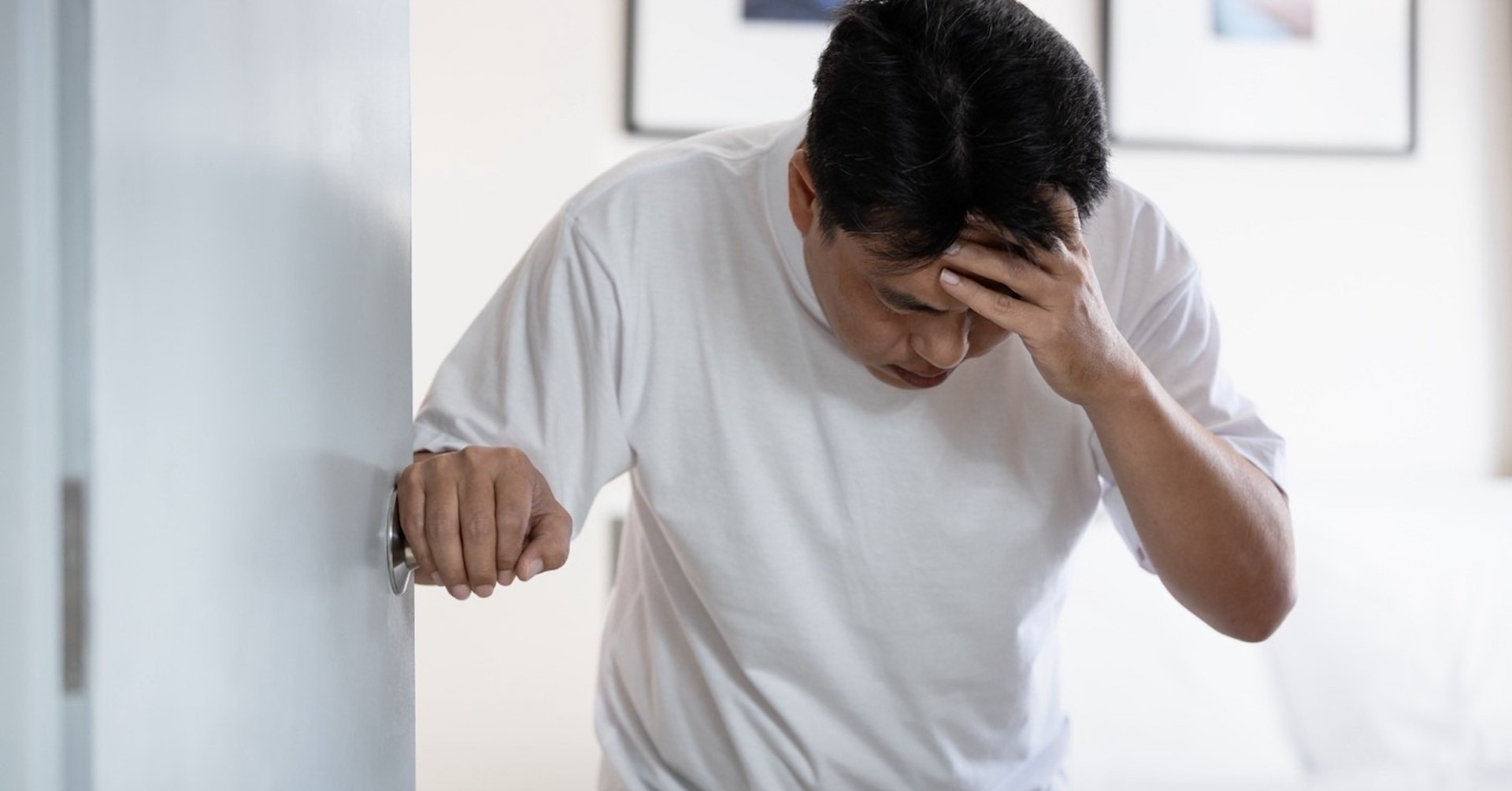
4. Severe Headache or Unusual Dizziness
A sudden, intense headache — especially if it feels different from usual headaches — can signal a problem.
You may also experience:
- Dizziness or loss of balance
- Difficulty standing or walking
- A spinning sensation
If these symptoms occur without an obvious cause, they should not be ignored.
5. Facial Drooping or Asymmetry
Facial changes are another key indicator.
You might notice:
- One side of the face drooping
- Difficulty smiling evenly
- A numb or tight feeling in the face
A simple way to check is to look in the mirror and try to smile — if one side doesn’t move properly, seek help immediately.
Why Stroke During Sleep Is Dangerous
Strokes that occur during sleep can be particularly dangerous because:
- Symptoms may go unnoticed for hours
- Treatment is often delayed
- The “golden window” for intervention may be missed
This makes awareness even more important. Recognizing symptoms as soon as you wake up can still make a critical difference.
What to Do If You Notice These Signs
If you or someone else experiences any of these symptoms:
- Act immediately
- Call emergency services right away
- Do not wait to see if symptoms improve
Time is crucial when it comes to stroke. The faster treatment begins, the better the chances of recovery.
A Simple Way to Remember: FAST
A commonly used method to identify stroke symptoms is the FAST rule:
- F (Face): Is one side drooping?
- A (Arms): Is one arm weak or numb?
- S (Speech): Is speech slurred or difficult?
- T (Time): Time to call for help immediately
Even if symptoms seem mild, they should be taken seriously.
Reducing Your Risk
While not all strokes can be prevented, you can reduce your risk by:
- Managing blood pressure
- Controlling blood sugar levels
- Maintaining a healthy diet
- Exercising regularly
- Avoiding smoking and excessive alcohol
Healthy lifestyle choices play a key role in long-term prevention.

Final Thoughts
A stroke can happen at any time - even while you are asleep. Because of this, recognizing warning signs upon waking is essential.
Symptoms like weakness, speech difficulty, vision changes, dizziness, or facial drooping should never be ignored. They are your body’s way of signaling that something serious may be happening.
When it comes to stroke, every minute counts. Acting quickly can save not only a life but also the quality of that life.