Doctors Warn of a “Hidden Time Bo.mb” in the Brain: Many Young People Overlook This Warning Sign
In what is often considered the healthiest and most energetic stage of life, more young people are now facing a dangerous condition once commonly associated with older adults.
Doctors are raising concerns about a “hidden time bomb” in the brain—one that can remain silent for years before suddenly causing life-threatening complications.
A growing trend among young people
Medical experts report an increasing number of cases involving brain vascular abnormalities in people under 40.
At some hospitals, several such cases are treated every week, many involving individuals who previously appeared completely healthy. The number of cases in younger age groups has been rising steadily in recent years.
What makes this trend especially alarming is that many patients only discover the condition after severe complications occur, such as brain hemorrhage or stroke.
When symptoms are ignored
One case involved a man in his 30s who experienced persistent headaches over several days. Believing it was just a common issue, he self-medicated with painkillers.
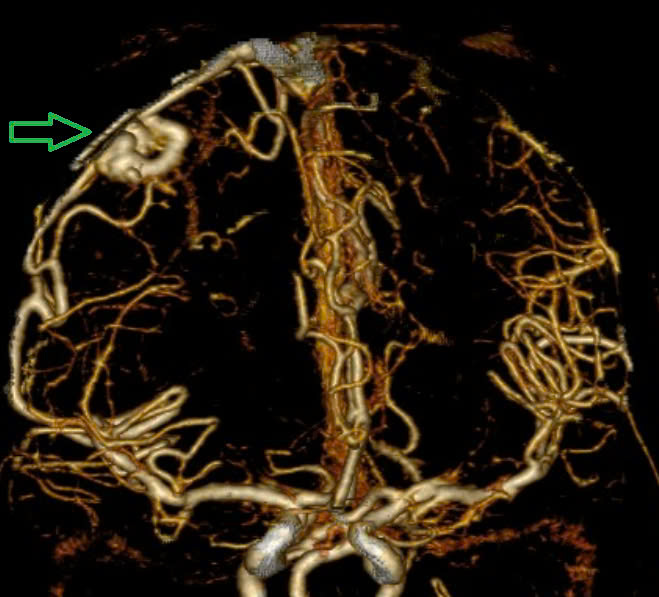
However, the pain worsened. When he finally sought medical care, doctors found that he had a brain arteriovenous malformation (AVM) that had already caused internal bleeding.
In another case, a young woman experienced a sudden rupture of a similar condition during pregnancy, leading to a critical brain hemorrhage. She required emergency surgeries to stabilize her condition.
What is this “time bomb”?
According to specialists, brain arteriovenous malformation (AVM) is a congenital abnormality in which arteries connect directly to veins without the normal capillary system.
This creates abnormal blood flow and puts excessive pressure on blood vessel walls. Over time, these fragile vessels can rupture unexpectedly, leading to brain bleeding, increased intracranial pressure, seizures, or even sudden death.
Because it develops silently, many people are unaware they have this condition until a serious event occurs.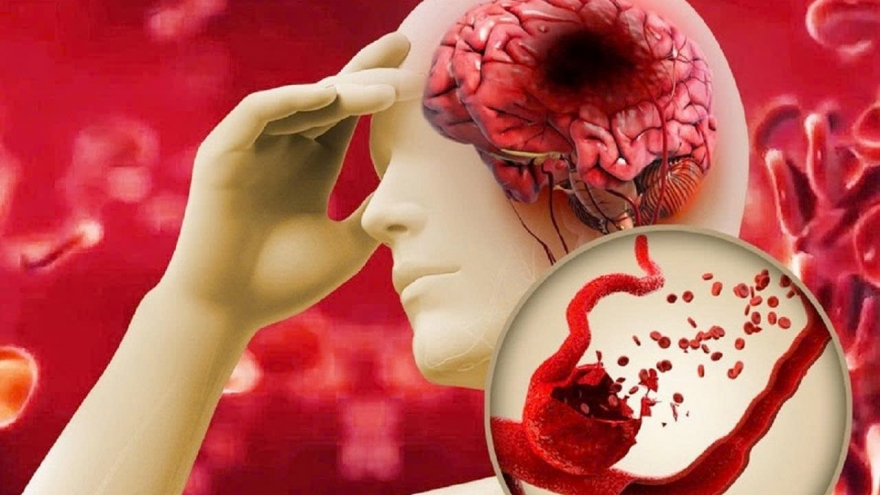
Warning signs that are easy to miss
One of the biggest dangers is that early symptoms are often vague and easily ignored.
Common signs may include:
- Persistent or unusual headaches
- Dizziness
- Numbness or weakness in the limbs
- Seizures
When rupture occurs, symptoms become severe, such as intense headache, vomiting, paralysis, confusion, or loss of consciousness.
In some cases, the condition can lead to rapid deterioration or death.
Why young people are at risk
Doctors point out that modern lifestyle factors may increase the risk of complications, including:
- Chronic stress
- Lack of sleep
- High work pressure
- Use of alcohol or stimulants
These factors can put additional strain on blood vessels, increasing the likelihood of rupture in individuals with underlying abnormalities.
What doctors recommend
Experts emphasize that even mild or unusual symptoms should not be ignored.
People are advised to seek medical evaluation if they experience:
- Ongoing headaches that don’t improve
- Neurological symptoms such as weakness or numbness
- Sudden or unexplained physical changes
Early detection through medical imaging can help identify abnormalities before they become life-threatening.
The bottom line
Brain vascular abnormalities can remain silent for years, but when they rupture, the consequences can be severe.
What seems like a minor symptom—such as a headache—could be the body’s early warning signal. Recognizing and acting on these signs in time may be critical to preventing serious outcomes.