If You Have Visible Veins, What Does It Really Mean?
Visible veins — especially on the hands, arms, or feet — often catch people’s attention and sometimes even cause concern. Many viral posts make it sound alarming, but the truth is more nuanced.
👉 In most cases, visible veins are completely normal.
However, in some situations, they can reflect underlying changes in your body.
Let’s break it down clearly so you don’t fall for misinformation.
1. Low Body Fat (Most Common Reason)
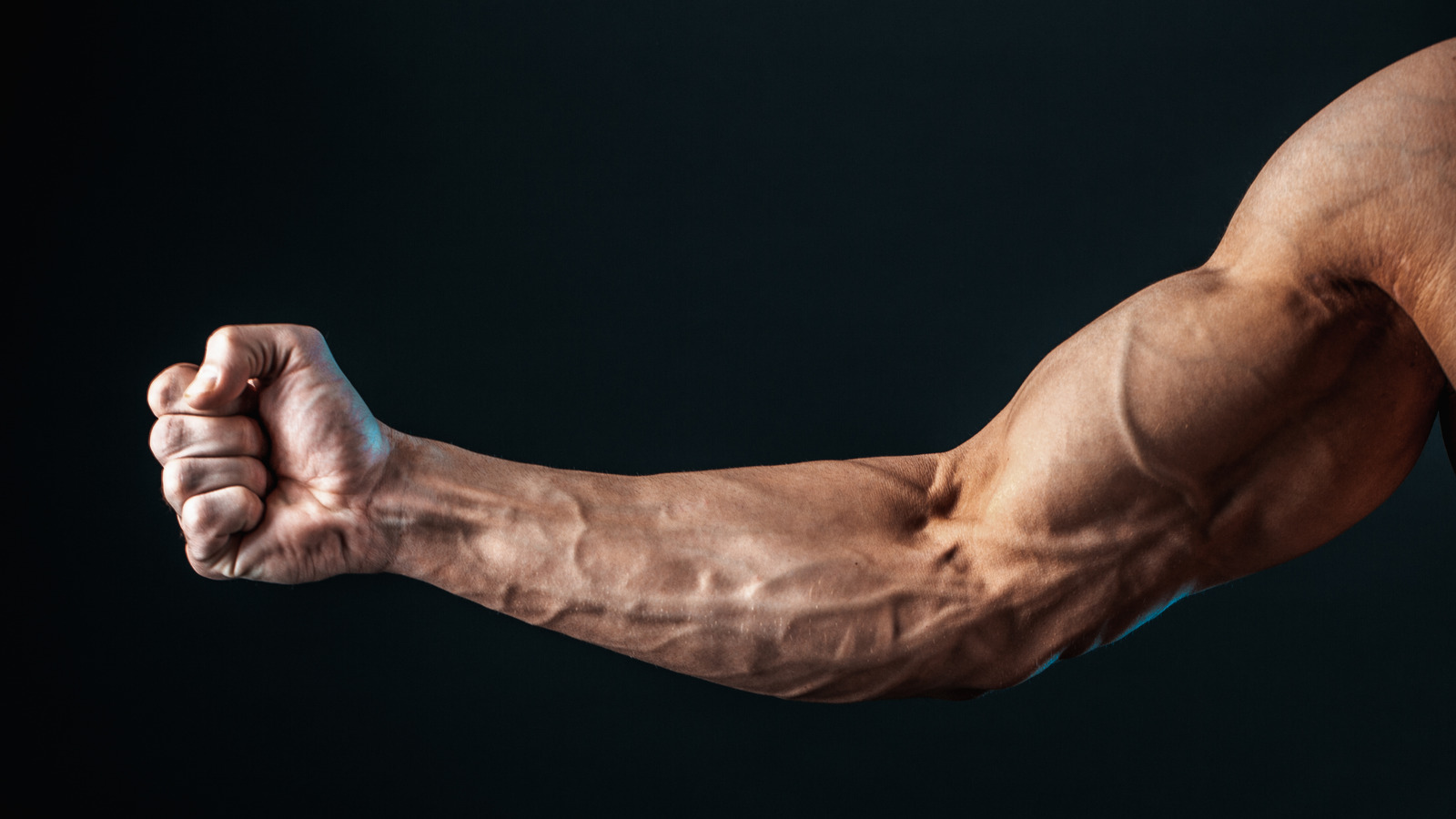


When body fat is low, there’s less tissue covering your veins — making them more visible.
This is common in:
- Athletes
- People who are naturally lean
- Individuals losing weight
👉 Translation: Visible veins here = normal, even a sign of fitness.
2. Aging Skin


As we age, skin becomes thinner and loses collagen.
Result:
- Veins appear more prominent
- Skin looks more transparent
👉 This is a natural part of aging, not a disease.
3. Heat or Physical Activity
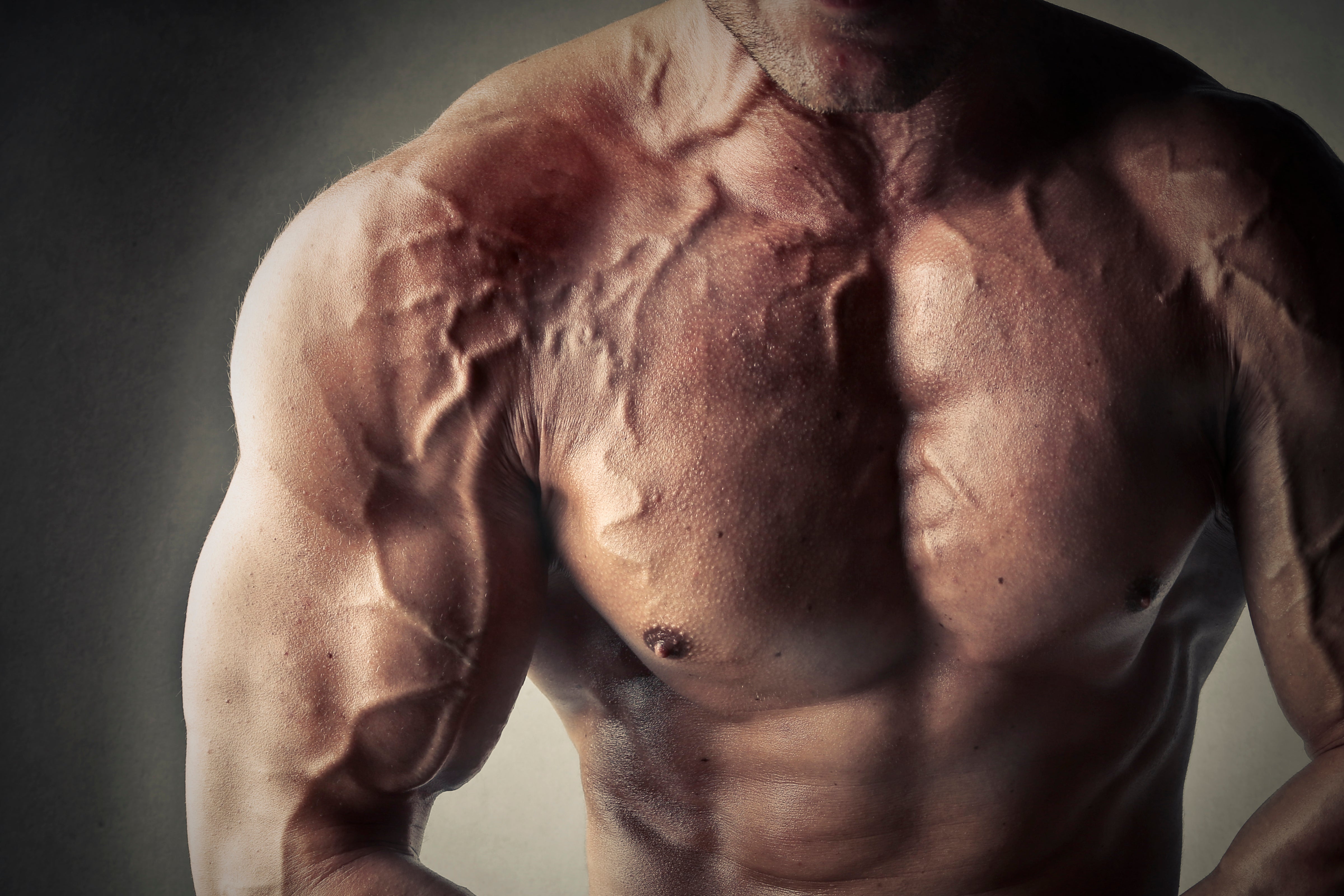

After exercise or in hot weather, veins expand (vasodilation).
Why?
- Your body is regulating temperature
- Blood flow increases
👉 Temporary visible veins = totally normal.
4. Genetics


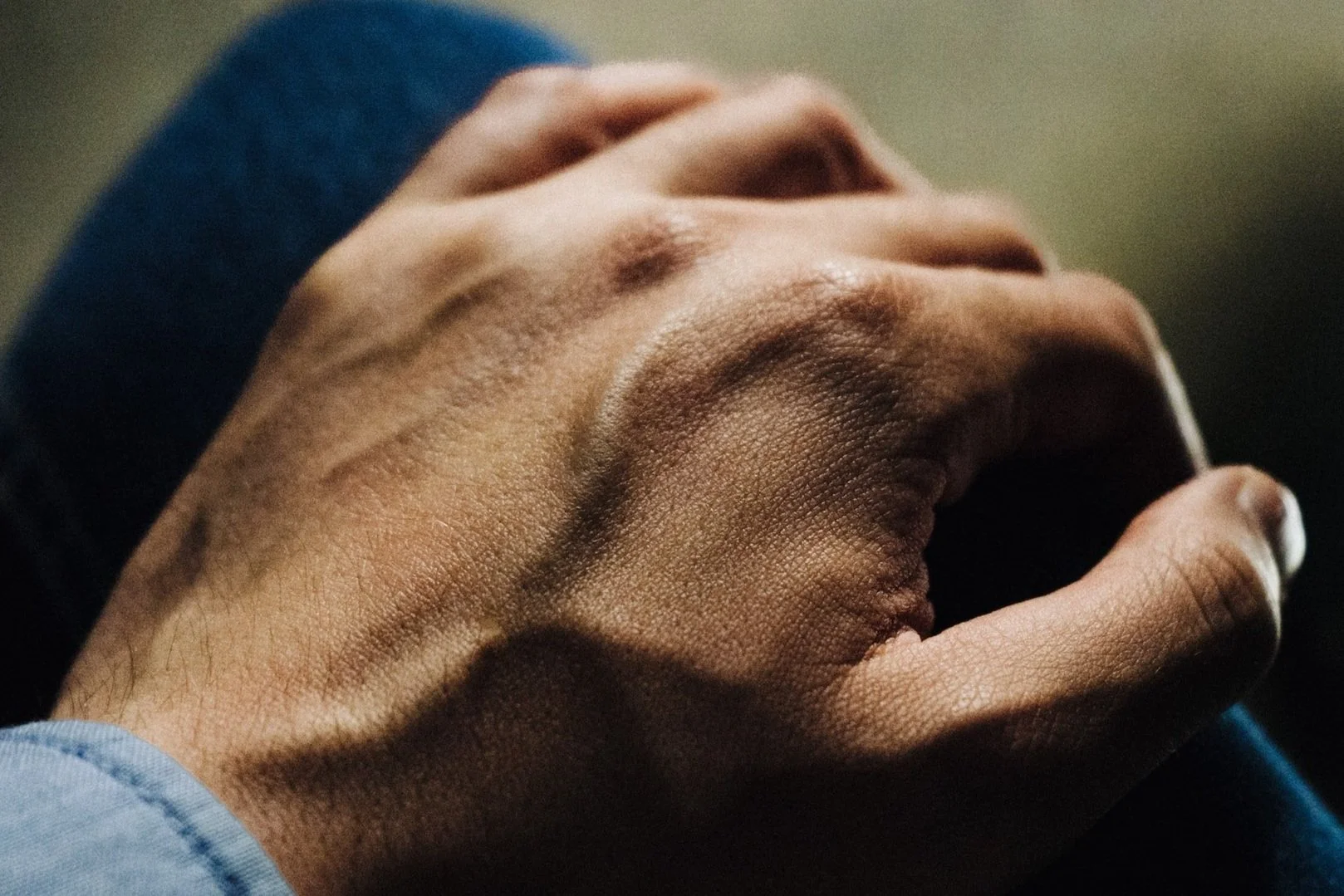
Some people simply have more visible veins due to genetics.
👉 If it runs in your family, it’s just how your body is built.
5. When Should You Be Concerned?

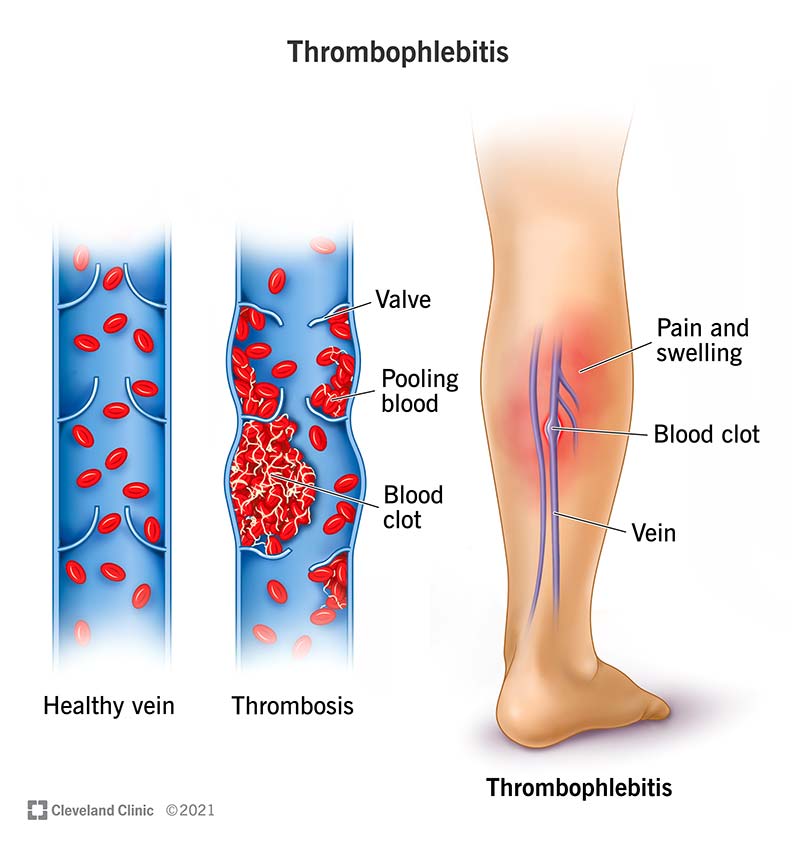

Visible veins are usually harmless — but watch out for these warning signs:
🚨 Seek medical attention if you notice:
- Pain or tenderness in veins
- Swelling or redness
- Veins that are hard, twisted, or bulging
- Sudden changes in appearance
These could indicate conditions like:
- Varicose veins
- Blood clots
- Circulatory issues
Final Thoughts
👉 Most of the time, visible veins mean nothing is wrong.
They’re often linked to body composition, activity level, or natural aging.
Simple rule:
- No pain, no change → usually normal
- Pain, swelling, sudden change → get checked
Don’t Panic — Just Stay Aware
Not every physical change is a warning sign. Understanding your body helps you avoid unnecessary fear while still staying alert to real risks.