Water is essential for nearly every function in the human body. From regulating temperature to aiding digestion and maintaining healthy skin, staying hydrated is crucial. Yet many people fail to drink enough water throughout the day, often ignoring the early warning signs of dehydration.
Your body has subtle ways of telling you it needs more fluids. Recognizing these signals can help prevent more serious health issues.
1. Persistent Dry Mouth and Throat
One of the earliest and most noticeable signs of dehydration is a dry mouth. When your body lacks water, it produces less saliva, leaving your mouth feeling sticky and uncomfortable.
This symptom often becomes more noticeable at night or upon waking up. If you frequently feel the need to sip water, your body may already be dehydrated.
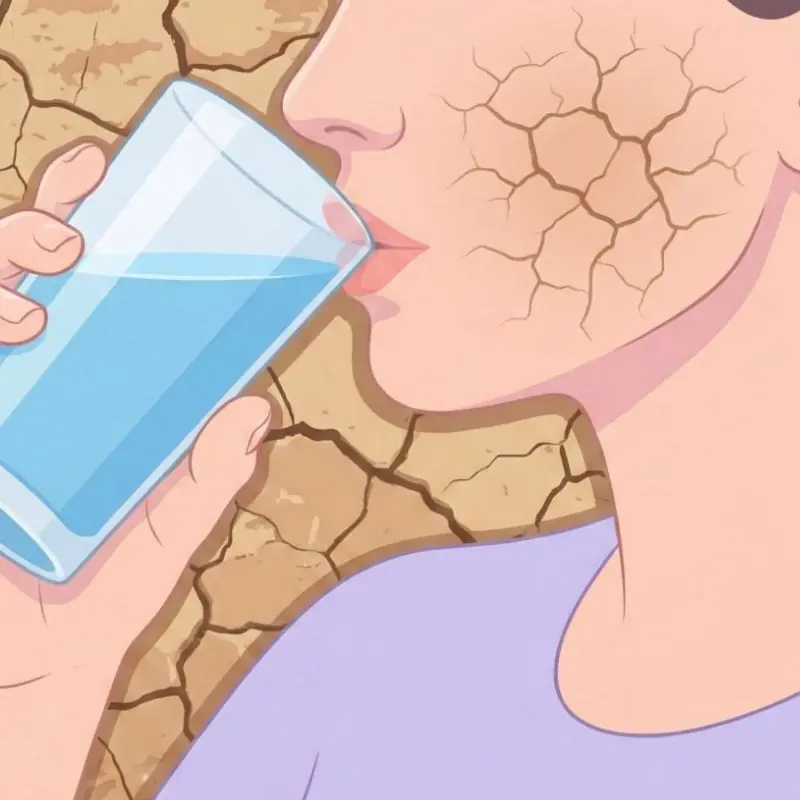
2. Dry or Cracked Skin
Your skin reflects your hydration levels. When you don’t drink enough water, your skin can become dry, flaky, or even cracked.
Unlike temporary dryness caused by weather, dehydration-related skin issues tend to persist and may make your skin look dull and less elastic.
3. Frequent Headaches
Dehydration can reduce blood flow and oxygen supply to the brain, leading to headaches.
If you often experience headaches without a clear cause, especially during hot weather or after physical activity, insufficient water intake could be the reason.
4. Fatigue and Low Energy
Feeling tired for no obvious reason? Dehydration might be to blame.
Water helps transport nutrients and oxygen throughout the body. When levels are low, your body has to work harder, leading to fatigue, sluggishness, and difficulty concentrating.
5. Dark Yellow Urine
Urine color is one of the simplest ways to check your hydration status.
Light or pale yellow urine usually indicates proper hydration, while dark yellow or amber-colored urine suggests that your body is conserving water and needs more fluids.
6. Dizziness or Lightheadedness
A lack of fluids can lower blood pressure and reduce circulation, causing dizziness.
This symptom is especially common when standing up quickly or after prolonged periods without drinking water. In more severe cases, it may even lead to fainting.
7. Dry Lips and Bad Breath
Dehydration can cause your lips to become dry and chapped. At the same time, reduced saliva allows bacteria to grow more easily in the mouth, leading to bad breath.
If lip balm doesn’t help and bad breath persists, increasing your water intake may make a noticeable difference.
8. Reduced Urination
Not urinating frequently is a clear sign that your body is holding onto water.
If you notice fewer bathroom trips or very small amounts of urine, it’s a strong indicator that you need to drink more fluids.
Why Hydration Matters
Water plays a vital role in maintaining overall health. It helps regulate body temperature, flush out toxins, support digestion, and keep joints lubricated.
Even mild dehydration can affect mood, memory, and physical performance. Over time, chronic dehydration may increase the risk of kidney stones, urinary tract infections, and other complications.
How to Stay Properly Hydrated
To avoid dehydration, consider these simple tips:
- Drink water regularly throughout the day, not just when thirsty
- Increase intake during hot weather or exercise
- Eat water-rich foods like fruits and vegetables
- Limit alcohol and caffeine, which can dehydrate the body
A general guideline is about 6–8 glasses of water daily, but individual needs may vary depending on lifestyle and climate.
Conclusion
Dehydration is more common than many people realize, but your body provides clear warning signs. From dry mouth and skin to fatigue and headaches, these symptoms should not be ignored.
By paying attention to these eight signs and maintaining proper hydration, you can improve your energy levels, protect your health, and feel better every day.