Waking up with a dry mouth can be uncomfortable and sometimes alarming. While many people consider it a minor issue, nighttime dry mouth—also known as xerostomia—can signal deeper health or lifestyle problems. According to health experts, saliva plays a crucial role in protecting oral health, aiding digestion, and maintaining overall balance in the body. When saliva production decreases during sleep, several factors may worsen the condition.
This article explores eight key reasons why your mouth feels dry at night, along with insights into what they may reveal about your health.
1. Natural Reduction of Saliva at Night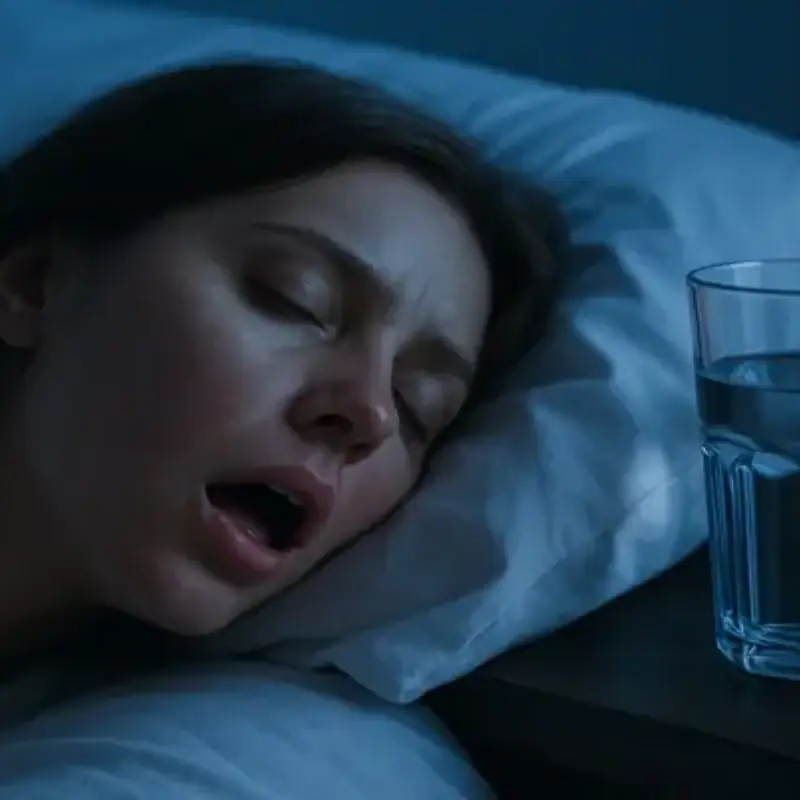
The body naturally produces less saliva while you sleep. This is a normal biological process. However, for some people, this reduction becomes more noticeable and leads to discomfort.
Saliva helps wash away bacteria and food particles, so when levels drop, the mouth becomes dry and more vulnerable to bad breath and dental issues.
2. Dehydration
One of the most common causes of dry mouth is simply not drinking enough water. When your body lacks fluids, it prioritizes essential functions, reducing saliva production.
Going to bed dehydrated often results in waking up with a dry throat and mouth. This condition can worsen if you sweat excessively, are ill, or consume too little water during the day.
3. Mouth Breathing During Sleep
Breathing through your mouth instead of your nose can quickly dry out oral tissues. This often happens due to nasal congestion, allergies, or structural issues in the nasal passages.
Mouth breathing is also linked to snoring and sleep disorders, making it a significant contributor to nighttime dryness.
4. Side Effects of Medications
Many common medications can reduce saliva production. These include drugs for high blood pressure, depression, allergies, and pain relief.
In fact, hundreds of medications list dry mouth as a side effect. Taking them at night can intensify symptoms because saliva levels are already low during sleep.
5. Sleep Apnea and Snoring
Sleep apnea is a condition where breathing repeatedly stops and starts during sleep. People with this disorder often breathe through their mouths, leading to dryness.
Additionally, snoring can contribute to airflow that dries out the mouth. If dry mouth is accompanied by fatigue or loud snoring, it may be worth seeking medical evaluation.
6. Alcohol and Caffeine Consumption
Both alcohol and caffeine act as diuretics, meaning they increase fluid loss in the body. Consuming these substances—especially in the evening—can lead to dehydration and reduced saliva production.
This explains why people who drink coffee or alcohol at night are more likely to wake up with a dry mouth.
7. Underlying Health Conditions
Certain medical conditions directly affect the salivary glands or hydration levels. These include:
- Diabetes
- Sjögren’s syndrome (an autoimmune disorder)
- Thyroid disorders
- Nerve damage
Such conditions can interfere with saliva production and cause persistent dryness, especially at night.
8. Poor Oral Health and Lifestyle Habits
Smoking, poor dental hygiene, and unhealthy diets can all contribute to dry mouth. Oral infections, gum disease, and tooth decay may also worsen the condition.
Additionally, recreational drug use can severely reduce saliva production, leading to chronic dryness.
Why Dry Mouth Matters
Dry mouth is more than just discomfort. Without enough saliva, bacteria can build up in the mouth, increasing the risk of:
- Tooth decay
- Gum disease
- Bad breath
- Difficulty swallowing
Saliva is essential for maintaining oral health, so persistent dryness should not be ignored.