A stroke is often perceived as a sudden, unpredictable medical emergency - something that happens without warning. However, growing evidence suggests that this is not always the case. In fact, nearly half of stroke patients report experiencing warning signs in the days or even a week before the event occurs.
Recognizing these early symptoms can make a critical difference. Acting in time may help prevent a full stroke or reduce its severity. Understanding what to watch for is not just useful - it can be life-saving.
🧠 What Is a Stroke?
A stroke occurs when the blood supply to part of the brain is interrupted, either due to a blockage (ischemic stroke) or a rupture of a blood vessel (hemorrhagic stroke). Without oxygen-rich blood, brain cells begin to die within minutes.
Because the brain controls movement, speech, memory, and vital body functions, the consequences of a stroke can be severe - or even fatal.
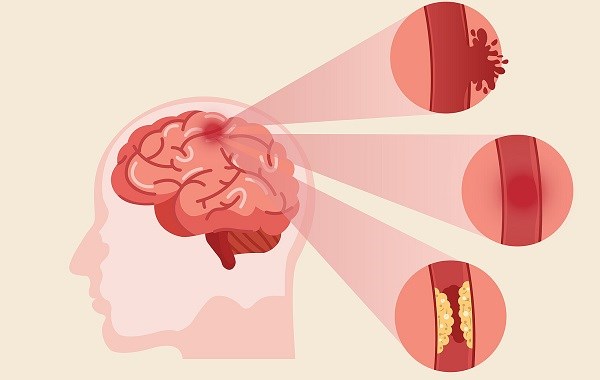
⚠️ Early Warning Signs That Should Not Be Ignored
In many cases, the body sends subtle signals before a major stroke happens. These are sometimes referred to as “mini-strokes” or transient ischemic attacks (TIAs) — temporary blockages that resolve on their own but indicate a serious underlying risk.
Here are some of the most commonly reported symptoms in the days leading up to a stroke:
🗣️ Sudden Difficulty Speaking
You may notice:
- Slurred speech
- Trouble forming words
- Difficulty understanding others
This can come and go, which makes it easy to ignore — but it is a major red flag.
🤚 Weakness or Numbness on One Side of the Body
A classic warning sign is:
- Sudden weakness in the arm, leg, or face
- Usually affecting only one side
For example, you might struggle to lift one arm or notice your face drooping slightly.
😵 Dizziness and Loss of Balance
Some people report:
- Feeling unsteady
- Sudden dizziness
- Difficulty walking or maintaining balance
These symptoms may appear briefly and then disappear, giving a false sense of recovery.
👁️ Vision Problems
Changes in vision can include:
- Blurred vision
- Double vision
- Temporary loss of vision in one eye
These visual disturbances are often overlooked but can signal reduced blood flow to the brain.

🤕 Severe or Unusual Headache
A sudden, intense headache — especially if it feels different from usual headaches — can be a warning sign, particularly for hemorrhagic strokes.
😴 Unexplained Fatigue or Confusion
Some patients report:
- Sudden mental fog
- Difficulty concentrating
- Extreme tiredness without a clear cause
These symptoms may seem minor but can indicate early brain dysfunction.
⏳ Why Do These Symptoms Appear Before a Stroke?
These early signs are often caused by temporary disruptions in blood flow to the brain.
In the case of a TIA:
- A clot briefly blocks an artery
- Blood flow is restored before permanent damage occurs
However, this is a serious warning. It means the conditions for a full stroke are already present — and the next event may not be temporary.
🚨 Why People Ignore the Warning Signs
One of the biggest dangers is that these symptoms are often:
- Mild
- Short-lived
- Easy to dismiss
People may think:
- “It’s just fatigue”
- “I must be stressed”
- “It went away, so it’s fine”
Unfortunately, this delay in response can lead to devastating consequences.
🏥 What You Should Do Immediately
If you or someone else experiences any of these symptoms — even if they disappear — seek medical attention immediately.
Doctors may:
- Perform brain imaging
- Check blood flow
- Prescribe medications to prevent clots
Early intervention can significantly reduce the risk of a major stroke.
🧬 Who Is at Higher Risk?
While strokes can happen to anyone, certain factors increase the likelihood:
- High blood pressure
- Diabetes
- Smoking
- High cholesterol
- Obesity
- Sedentary lifestyle
If you fall into any of these categories, it’s even more important to take warning signs seriously.
💡 The FAST Rule (For Immediate Recognition)
A quick way to identify stroke symptoms is the FAST method:
- F – Face: Is one side drooping?
- A – Arms: Can both arms be raised evenly?
- S – Speech: Is speech slurred or strange?
- T – Time: Act immediately
Even if symptoms are temporary, time is critical.

🧾 Final Thoughts
The idea that a stroke happens without warning is not entirely accurate. For many people, the body sends clear - though often subtle signals in the days leading up to the event.
Nearly half of patients experience symptoms such as speech difficulty, weakness, dizziness, or vision problems about a week before a stroke. These are not random occurrences - they are warnings.
Ignoring them can be dangerous. Recognizing them can save a life.
The key takeaway is simple:
If something feels wrong, don’t wait. Act immediately.