
If Your Hip Hurts, It May Be Your Body’s Way of Sending a Warning
Hip pain is often dismissed as a minor issue—something caused by fatigue, aging, or sitting for too long. However, persistent or recurring discomfort in the hip area may be your body’s way of signaling an underlying problem that should not be ignored.
Understanding what hip pain could mean is the first step toward protecting your long-term health.
More than just a simple ache
The hip is one of the body’s most important joints, supporting movement, balance, and weight-bearing activities. When pain occurs, it can stem from a variety of causes—not all of them obvious.
While occasional soreness may be harmless, ongoing or worsening pain can indicate deeper issues affecting muscles, joints, or even internal systems.
Common causes of hip pain
1. Joint and cartilage problems
Conditions such as arthritis or joint wear can lead to stiffness, inflammation, and pain in the hip. These issues often develop gradually and may worsen over time if left untreated.
2. Muscle strain or overuse
Physical activity, improper posture, or repetitive movements can strain the muscles around the hip, leading to discomfort and reduced mobility.
3. Nerve-related issues
Sometimes, hip pain is not caused by the hip itself but by compressed or irritated nerves, such as those originating in the lower back. This type of pain may radiate or feel sharp and persistent.
When hip pain could be a warning sign
In some cases, hip pain may signal more serious conditions, including:
- Bone-related problems such as fractures or degeneration
- Inflammation affecting surrounding tissues
- Circulatory or systemic health issues
Pain that appears suddenly, becomes severe, or interferes with daily activities should be taken seriously.
Signs you shouldn’t ignore
Certain symptoms may indicate that hip pain requires medical attention:
- Pain that lasts for several days or keeps returning
- Difficulty walking, standing, or moving the leg
- Swelling, stiffness, or reduced range of motion
- Pain that spreads to the lower back, thigh, or knee
Ignoring these signs may allow the underlying condition to worsen over time.
What you can do
Taking early action can help prevent complications and improve recovery:
- Rest the affected area and avoid overexertion
- Maintain proper posture and body alignment
- Incorporate gentle stretching or low-impact exercise
- Seek medical advice if symptoms persist
Early diagnosis often leads to more effective treatment and better outcomes.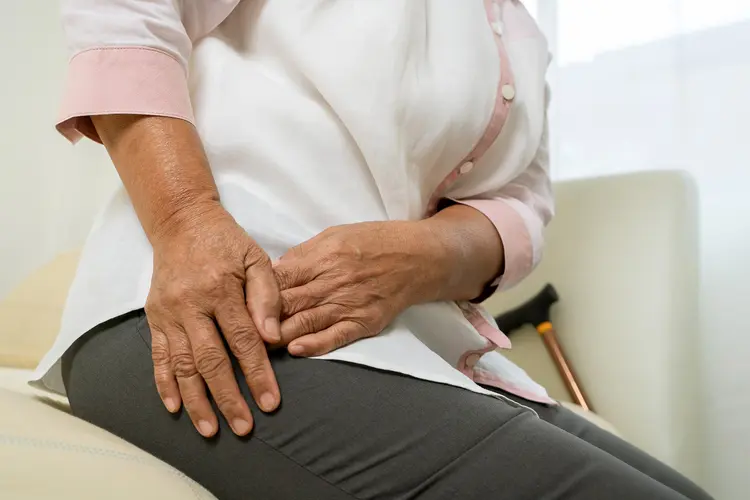
The bottom line
Hip pain is not always just a minor inconvenience. In many cases, it is a signal from your body that something needs attention.
Listening to these warning signs—and acting on them early—can help you avoid more serious health problems and maintain mobility in the long run.