When people think about snakes entering their homes, they often imagine cracks in walls, open doors, or nearby forests. But one overlooked factor is right in your yard or garden: the plants you grow.
It’s important to clarify one thing first - plants themselves don’t directly “attract” snakes in the way flowers attract bees. However, certain plants create the perfect environment for snakes by offering shelter, moisture, shade, and access to prey like insects, frogs, and rodents.
If your home surroundings unknowingly provide these conditions, you might be increasing the chances of an unwanted encounter.
Let’s break down 7 types of plants that can indirectly invite snakes into your space and what to do about them.
🌿 1. Dense Ground Cover Plants
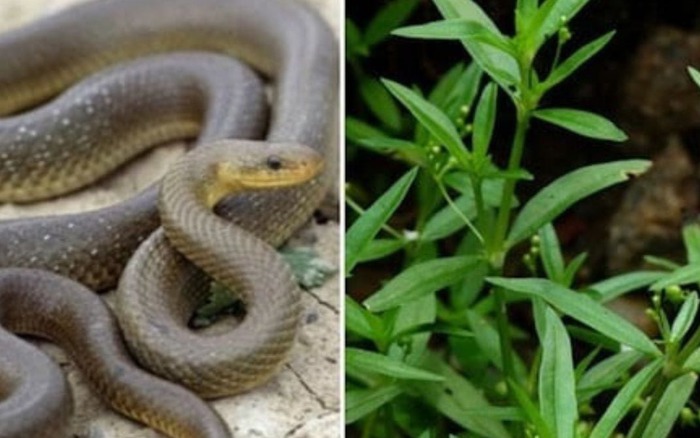
Ground cover plants like ivy, creeping vines, or thick ornamental grass spread across the soil and create a cool, shaded environment.
Why this matters:
- Snakes prefer hidden, protected areas
- Dense coverage makes it easy for them to move unseen
- It also attracts insects and small animals (food sources)
If these plants grow too thick or unmanaged, they essentially become a safe hiding zone.
🌾 2. Tall Grass and Overgrown Lawns
This is one of the biggest risk factors.
Tall grass:
- Provides excellent camouflage
- Keeps the ground cool and moist
- Allows snakes to move without being noticed
Even a small patch of neglected grass can become a temporary shelter for snakes, especially in warm climates.
🍌 3. Fruit-Bearing Plants and Trees
Fruit trees or plants may seem harmless, but they can attract rodents and insects, which in turn attract snakes.
Examples include:
- Banana plants
- Mango trees
- Berry bushes
The fallen fruit becomes food for small animals — and those animals become food for snakes.
🌸 4. Water-Loving Plants
Plants that require frequent watering or grow near water features (like ponds or fountains) can create moist environments that snakes love.
Snakes are often drawn to:
- Damp soil
- Cool shaded areas
- Access to water
If your garden stays consistently wet, it can become an appealing habitat.
🌳 5. Thick Shrubs and Bushes
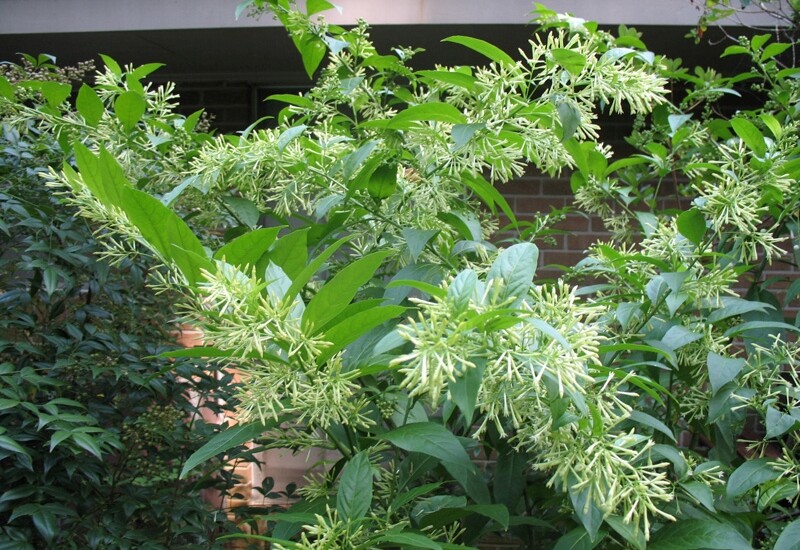
Large ornamental bushes or hedges can provide deep, shaded hiding spots.
Problems with dense shrubs:
- Hard to inspect visually
- Ideal for nesting or resting
- Often close to walls or entry points
If not trimmed regularly, they become a perfect shelter.
🍃 6. Compost Plants and Organic Piles
Plants that shed a lot of leaves - combined with compost piles can indirectly attract snakes.
Why?
- Decomposing material attracts insects
- Insects attract frogs and rodents
- Snakes follow the food chain
A poorly managed compost area is basically an ecosystem and snakes can become part of it.
🌴 7. Climbing Plants Near Walls
Climbing plants like vines or creepers growing along walls or fences may create hidden pathways.
These plants:
- Allow snakes to move vertically
- Provide access to roofs, windows, or small openings
- Create shaded, protected routes
This increases the chance of snakes getting closer to your living space.
⚠️ Important Reality Check
Let’s be clear: plants alone do not “invite” snakes.
Snakes are attracted to:
- Food sources
- Shelter
- Suitable environmental conditions
Plants only play a role because they help create those conditions.
Removing every plant is not the solution — managing your environment is.
🏠 How to Reduce the Risk
Instead of panicking, focus on smart prevention:
1. Keep your yard clean and trimmed
- Cut grass regularly
- Prune bushes and shrubs
2. Remove debris and clutter
- Clear leaf piles
- Manage compost properly
3. Control pests
- Reduce rodents and insects
4. Limit excess moisture
- Avoid overwatering
- Fix drainage issues
5. Maintain visibility
- Keep areas open and easy to inspect
💡 Final Thoughts
The idea that certain plants “attract snakes” can sound alarming, but the truth is more practical: it’s the environment those plants create that matters.
A well-maintained garden is far less likely to harbor snakes than an overgrown, cluttered one. By understanding how your outdoor space functions as an ecosystem, you can make simple changes that significantly reduce the risk.
You don’t need to eliminate greenery - just manage it wisely.
Because in the end, it’s not about the plants themselves… it’s about what they invite in.