Natural hair care remedies have gained immense popularity in recent years, and among the most talked-about combinations is rice water and ginger. These two simple ingredients, often found in everyday kitchens, are believed to support stronger, shinier, and healthier hair when used correctly.
However, while both rice water and ginger offer potential benefits, the way you prepare and apply them plays a crucial role. Using them incorrectly or too frequently may lead to dryness or irritation instead of improvement.
This guide will walk you through the best and safest way to use rice water and ginger for optimal hair health.
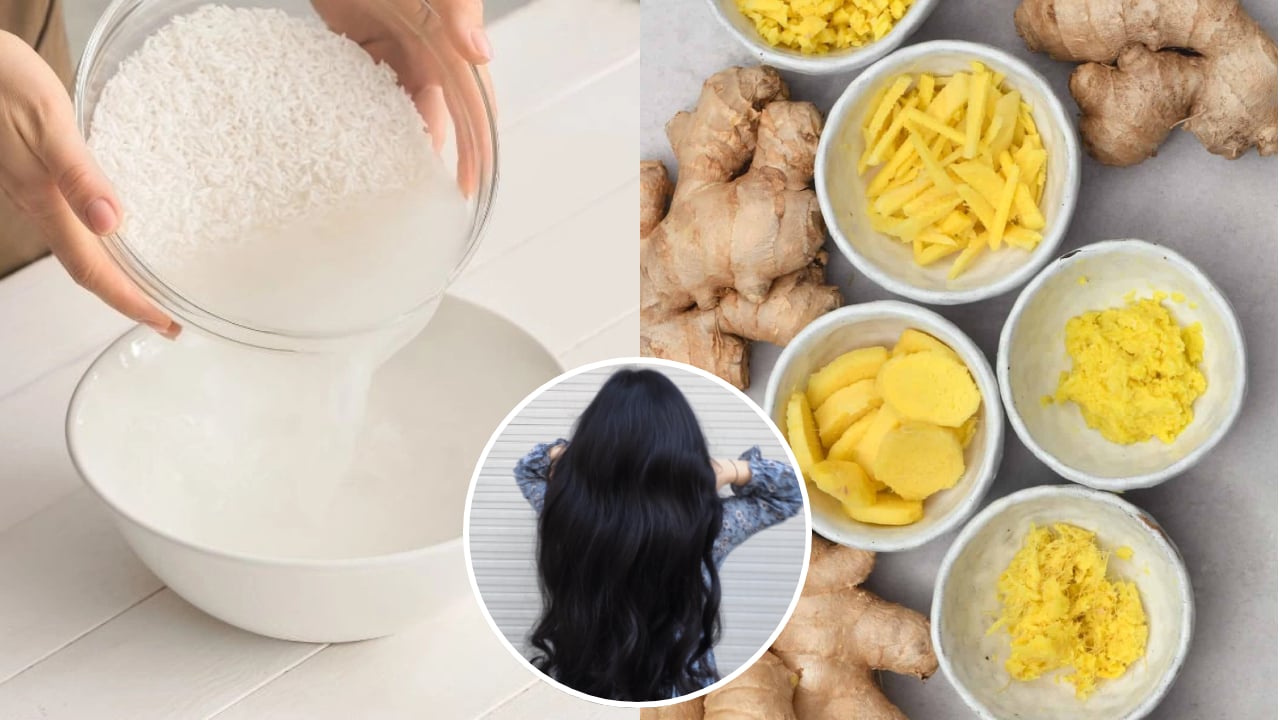
Why Rice Water and Ginger Are Beneficial for Hair
Rice Water Benefits
Rice water contains:
-
Amino acids that help strengthen hair
-
Vitamins (such as B and E) that support hair growth
-
Inositol, a compound believed to improve hair elasticity
👉 It can help reduce breakage and improve the overall appearance of hair.
Ginger Benefits
Ginger is known for its:
-
Antioxidant properties
-
Ability to stimulate blood circulation in the scalp
-
Potential to support healthier hair follicles
👉 It may help create a better environment for hair growth.
How to Prepare Rice Water and Ginger Mixture
Step 1: Make Rice Water
-
Rinse ½ cup of rice to remove dirt
-
Add it to 2–3 cups of clean water
-
Let it soak for 20–30 minutes
-
Strain the water into a clean container
👉 For stronger effects, some people ferment the rice water for 24 hours, but this should be done carefully to avoid a strong odor.
Step 2: Prepare Ginger
-
Peel and grate a small piece of fresh ginger
-
Extract the juice by pressing or blending
👉 Use a small amount to avoid irritation.
Step 3: Combine
-
Mix the rice water with a small amount of ginger juice
-
Stir well
👉 Keep the mixture balanced—too much ginger can irritate the scalp.
The Best Way to Apply It
1. Start with Clean Hair
Wash your hair with a gentle shampoo before applying the mixture. This removes oil and buildup, allowing better absorption.
2. Apply to the Scalp First
-
Pour or spray the mixture onto your scalp
-
Gently massage for a few minutes
👉 This helps stimulate circulation and distribute nutrients evenly.
3. Work Through the Hair Length
-
Apply the remaining mixture along the hair strands
-
Focus on dry or damaged areas
4. Let It Sit
-
Leave the mixture on your hair for 10–20 minutes
👉 Avoid leaving it on for too long, especially if your hair is sensitive.
5. Rinse Thoroughly
-
Rinse your hair with clean water
-
Follow with a light conditioner if needed
👉 This prevents stiffness or protein buildup.
How Often Should You Use It?
Moderation is key.
-
Use 1–2 times per week
-
Avoid daily use to prevent dryness or overload
👉 Overuse of rice water can make hair feel stiff due to protein buildup.
Important Tips for Best Results
-
Always patch test before first use
-
Use fresh ingredients to avoid contamination
-
Avoid applying too much ginger to prevent scalp irritation
-
Adjust frequency based on your hair type
Who Should Be Careful?
While this method is generally safe, some people should use caution:
-
Those with sensitive scalps
-
People with very dry or low-porosity hair
-
Anyone prone to irritation
👉 If you experience discomfort, stop using the mixture and consult a professional.
Final Thoughts
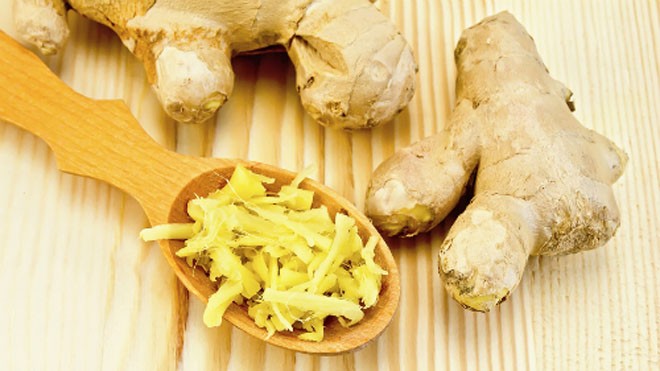
Rice water and ginger can be a powerful natural combination for maintaining healthy hair—but only when used correctly. From preparation to application, every step matters in achieving the desired results.
Instead of expecting instant transformation, focus on consistent, balanced use. Over time, this simple routine may help improve hair strength, shine, and overall health.
Sometimes, the best care comes from simple, natural ingredients—used the right way.