Snake bites remain a serious public health issue worldwide, particularly in rural and tropical regions. According to health authorities, millions of people are bitten by snakes each year, with hundreds of thousands suffering severe complications or death.
While not all snake bites are venomous, distinguishing between harmless and dangerous encounters can be difficult in the moment. Medical experts stress that immediate and appropriate action is critical.
Venomous vs. Non-Venomous Bites
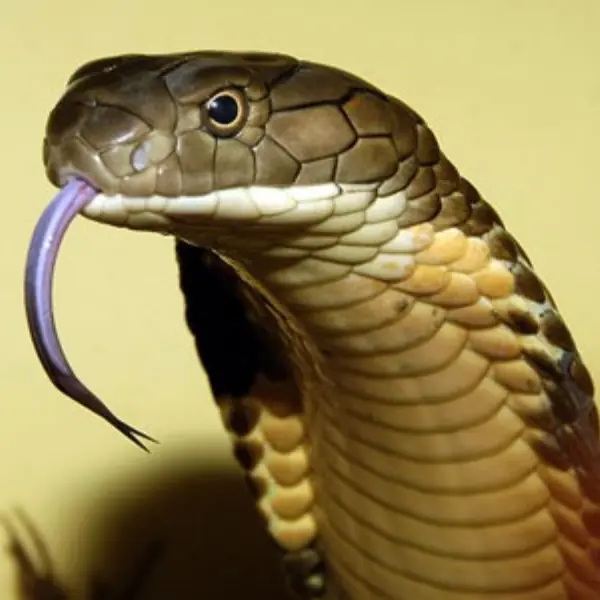
The image above highlights a key difference between venomous and non-venomous snake bites.
- Venomous snakes often leave two deep puncture wounds caused by fangs. These bites may be accompanied by swelling, pain, and discoloration.
- Non-venomous snakes typically leave a row of smaller, shallow bite marks without significant tissue damage.
However, experts warn that bite appearance alone is not always reliable. When in doubt, always treat the bite as potentially venomous.
Immediate Symptoms to Watch For
After a snake bite, symptoms can develop quickly. Common warning signs include:
- Severe pain at the bite site
- Swelling and redness
- Nausea or vomiting
- Difficulty breathing
- Dizziness or fainting
In some cases, symptoms may appear mild at first but worsen over time. This makes early response essential.
What You Should Do Immediately
Doctors emphasize several critical steps to take right after a snake bite:
1. Stay Calm and Limit Movement
Panic increases heart rate, which can spread venom more quickly through the body. Keep the affected person as still as possible.
2. Immobilize the Affected Limb
Use a splint or keep the limb in a neutral position. Avoid unnecessary movement, as this can accelerate venom circulation.
3. Remove Tight Items
Take off rings, bracelets, or tight clothing near the bite area before swelling begins.
4. Keep the Bite Below Heart Level
Position the affected area below the level of the heart to slow the spread of venom.
5. Seek Emergency Medical Help Immediately
This is the most important step. Call emergency services or get to the nearest hospital as quickly as possible. Antivenom treatment is often required for venomous bites.
What You Should NOT Do
There are several outdated or dangerous myths about snake bite treatment that should be avoided:
- Do not cut the wound
- Do not attempt to suck out the venom
- Do not apply ice or electric shocks
- Do not use a tourniquet (unless instructed by medical professionals)
These actions can worsen tissue damage and delay proper treatment.
Why Time Is Critical
Venom from certain snakes can affect the nervous system, blood clotting, or muscle tissue. Without prompt treatment, complications may include:
- Organ failure
- Severe tissue damage
- Paralysis
- Death
The sooner medical care is received, the better the chances of recovery.
Prevention Tips
Avoiding snake bites is always the best strategy. Experts recommend:
- Wearing protective footwear in areas where snakes are common
- Avoiding tall grass or rocky areas without visibility
- Using a flashlight at night
- Keeping living areas clean and free of rodent attractants
Being aware of your surroundings can significantly reduce the risk.
Special Considerations for Children and the Elderly
Children and older adults are particularly vulnerable to severe effects from snake venom. Their bodies may respond more quickly or have less ability to cope with toxins.
Immediate medical care is especially critical for these groups.
Conclusion
A snake bite is a medical emergency that requires swift and informed action. While it may be difficult to determine whether a snake is venomous, treating every bite seriously can save lives.
Health professionals emphasize a simple rule: stay calm, limit movement, and seek help immediately. In situations like these, the right first steps can make all the difference between recovery and tragedy.