Fatty liver disease, medically known as non-alcoholic fatty liver disease (NAFLD), has become one of the most common liver conditions globally. It occurs when excess fat accumulates in liver cells, potentially leading to inflammation and long-term damage if left untreated.
Health experts warn that the condition often progresses quietly, making early detection challenging. Many individuals remain unaware they have fatty liver until routine tests reveal abnormalities.
Why Fatty Liver Is Often Overlooked
One of the biggest challenges with fatty liver disease is the lack of obvious symptoms in its early stages. Unlike other illnesses that present clear warning signs, fatty liver may develop gradually without noticeable discomfort.
In fact, many patients only discover the condition during imaging scans or blood tests conducted for unrelated health concerns. This silent progression makes awareness especially important.
The Most Common Early Signs
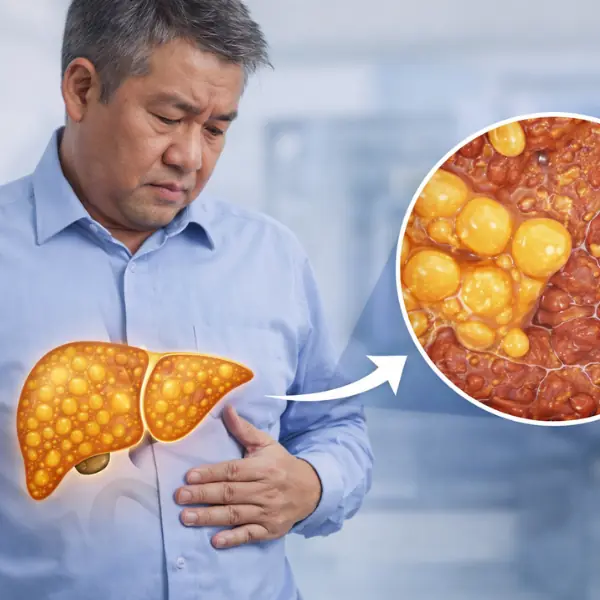
Although fatty liver is often asymptomatic, some subtle signs may appear as the condition progresses.
1. Fatigue and Low Energy
Persistent tiredness is one of the most frequently reported symptoms. While it may seem unrelated, liver dysfunction can affect energy metabolism, leaving individuals feeling constantly drained.
2. Discomfort in the Upper Right Abdomen
Mild pain or a feeling of fullness in the upper right side of the abdomen—where the liver is located—can occur. This discomfort is often dull rather than sharp, making it easy to ignore.
3. Unexplained Weight Gain or Difficulty Losing Weight
Fatty liver is closely linked to metabolic issues, including obesity and insulin resistance. Individuals may notice weight gain or struggle to lose weight despite efforts.
4. Elevated Liver Enzymes
Although not visible without testing, abnormal liver enzyme levels are one of the earliest clinical indicators. Routine blood tests often detect these changes before symptoms appear.
5. Changes in Skin or Appearance
In more advanced stages, some people may develop:
- Darkened skin patches (especially around the neck)
- Yellowing of the skin or eyes (in severe cases)
These signs typically indicate more significant liver involvement.
What Causes Fatty Liver Disease?
Several factors contribute to the development of fatty liver:
- Poor diet, particularly high in sugar and processed foods
- Lack of physical activity
- Obesity and metabolic syndrome
- Type 2 diabetes
- Excessive alcohol consumption (in alcoholic fatty liver cases)
The modern lifestyle—characterized by sedentary habits and high-calorie diets—has played a major role in the rising number of cases.
Why Early Detection Matters
If left untreated, fatty liver can progress to more serious conditions, including:
- Non-alcoholic steatohepatitis (NASH)
- Liver fibrosis
- Cirrhosis
- Liver failure
Early detection allows for lifestyle changes that can reverse the condition before permanent damage occurs.
How Doctors Diagnose the Condition
Diagnosis typically involves a combination of:
- Blood tests to check liver enzyme levels
- Ultrasound or imaging scans
- In some cases, liver biopsy
These tools help determine the extent of fat accumulation and any associated inflammation.
Steps to Improve Liver Health
The good news is that fatty liver disease is often reversible, especially in its early stages. Experts recommend:
- Maintaining a healthy weight
- Following a balanced diet rich in vegetables and lean proteins
- Reducing sugar and processed foods
- Exercising regularly
- Limiting alcohol intake
Even modest lifestyle changes can lead to significant improvements.
When to Seek Medical Advice
Individuals should consult a healthcare professional if they experience:
- Persistent fatigue
- Ongoing abdominal discomfort
- Unexplained weight changes
- Abnormal blood test results
Routine health screenings are particularly important for those at higher risk.
Conclusion
Fatty liver disease is often described as a “silent” condition, but the body may still send subtle signals. Recognizing early signs—such as fatigue or mild abdominal discomfort—can make a critical difference.
With timely intervention and lifestyle adjustments, many cases can be managed or even reversed. As experts emphasize, awareness is the first step toward protecting long-term liver health.