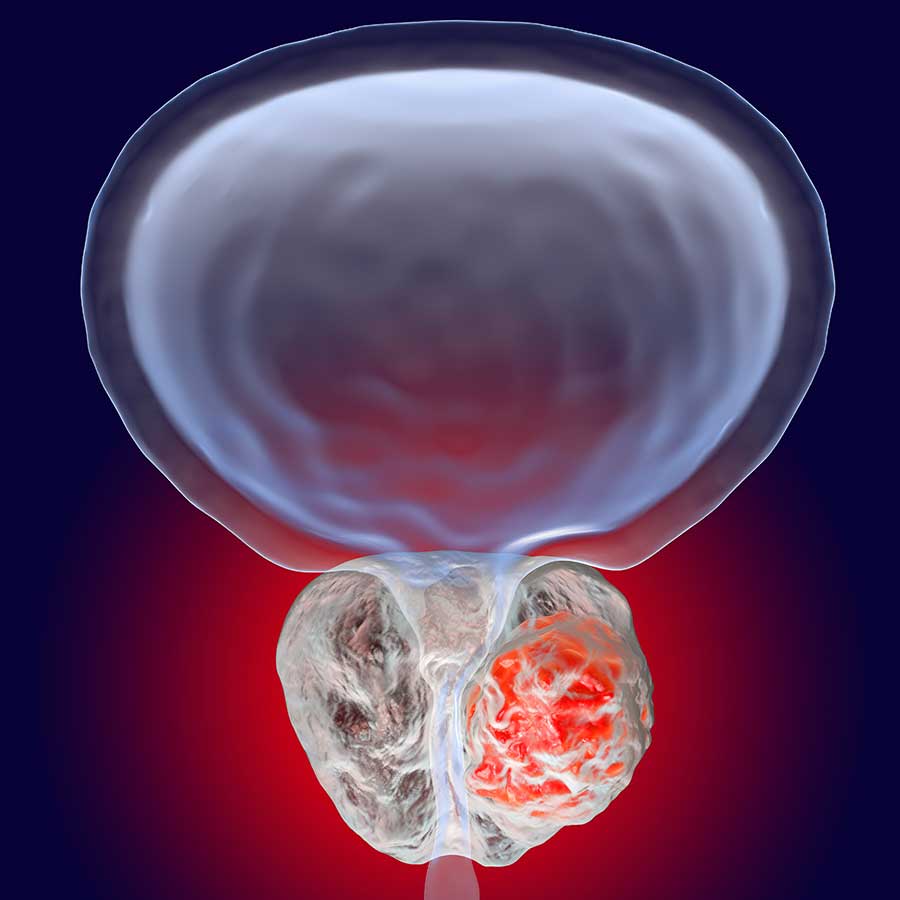
Warning Signs of Prostate Can.cer You Should Never Ignore
Prostate cancer is one of the most common cancers in men, yet it often develops silently without clear symptoms in its early stages. Because of this, many cases are only detected during routine health screenings rather than through noticeable warning signs.
However, as the disease progresses, the body may begin to show subtle signals. Recognizing these signs early can make a significant difference in diagnosis and treatment outcomes.
1. Frequent Urination—Especially at Night
One of the most common early warning signs is needing to urinate more often, particularly during the night.
This happens because the enlarged prostate can press against the urethra, affecting normal urine flow.
2. Difficulty Urinating or Weak Flow
Men may notice trouble starting urination, a weak stream, or interrupted flow.
These symptoms are often mistaken for normal aging or benign prostate enlargement, but they should not be ignored.
3. Blood in Urine or Semen
The presence of blood in urine or semen is a serious warning sign that requires immediate medical attention.
Even if it happens only once, it could indicate an underlying problem, including prostate cancer.
4. Pain or Burning During Urination
Discomfort while urinating may signal inflammation or irritation in the prostate area.
Although it can be caused by infections, persistent symptoms should be evaluated by a doctor.
5. Erectile Dysfunction
Difficulty achieving or maintaining an erection can sometimes be linked to prostate issues, including cancer.
While this symptom has multiple possible causes, it may be an early sign worth checking.
6. Pain in the Lower Back, Hips, or Pelvis
If prostate cancer spreads beyond the prostate, it may cause pain in the bones—especially in the lower back, hips, or pelvis.
This is often a sign of more advanced stages of the disease.
7. Unexplained Weight Loss and Fatigue
In later stages, prostate cancer may lead to fatigue, reduced appetite, and unintentional weight loss.
These symptoms are often overlooked but can indicate that the disease has progressed.
Why early detection matters
One of the biggest challenges with prostate cancer is that early stages often show no symptoms at all.
That’s why regular check-ups and screenings—such as PSA blood tests—are essential, especially for men over 50 or those with a family history of the disease.
✅ The bottom line
Not every symptom means cancer—but ignoring warning signs can delay diagnosis.
If you notice changes in urination, unusual pain, or any persistent symptoms, it’s important to consult a healthcare professional. Early detection can significantly improve treatment success and survival rates.