Electric fans are among the most widely used appliances in homes, especially in warmer climates. However, over time, they tend to accumulate layers of dust on their blades and protective grilles. This buildup not only affects performance but can also reduce air quality and spread allergens throughout living spaces.
For many people, cleaning a fan can feel like a tedious chore—often requiring tools, disassembly, and extra time. But experts say there is a simpler approach that can deliver impressive results with minimal effort.
Why Cleaning Your Fan Matters
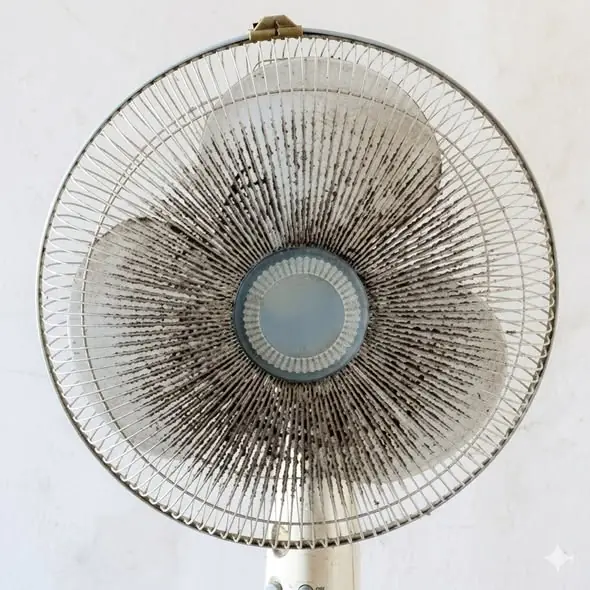
Dust accumulation inside a fan is more than just a cosmetic issue. When a fan operates, it circulates air along with any particles stuck to its blades. This can lead to:
- Increased indoor dust levels
- Allergies or respiratory irritation
- Reduced airflow efficiency
- Higher energy consumption
Regular cleaning ensures that your fan performs efficiently while maintaining a healthier indoor environment.
The 15-Minute Cleaning Method
According to home care specialists, a quick and effective cleaning method can restore your fan without the need to remove its grille.
What You’ll Need:
- A plastic bag large enough to cover the fan head
- Mild cleaning solution (such as diluted detergent or vinegar)
- A spray bottle
- A soft cloth or brush
Step-by-Step Process:
1. Turn Off and Unplug the Fan
Safety comes first. Always ensure the fan is disconnected from power before cleaning.
2. Spray the Cleaning Solution
Lightly spray the solution onto the front grille and visible dust areas. Avoid soaking electrical components.
3. Cover with a Plastic Bag
Place the plastic bag over the fan head, ensuring it covers the blades and grille completely.
4. Turn the Fan On Briefly
Plug the fan back in and run it for a short time. The airflow will help loosen and dislodge dust, which collects inside the bag.
5. Wipe Down the Exterior
After turning off the fan again, remove the bag and use a cloth to clean any remaining residue.
In just 15 minutes, the fan can look significantly cleaner—without the need for disassembly.
Why This Method Works
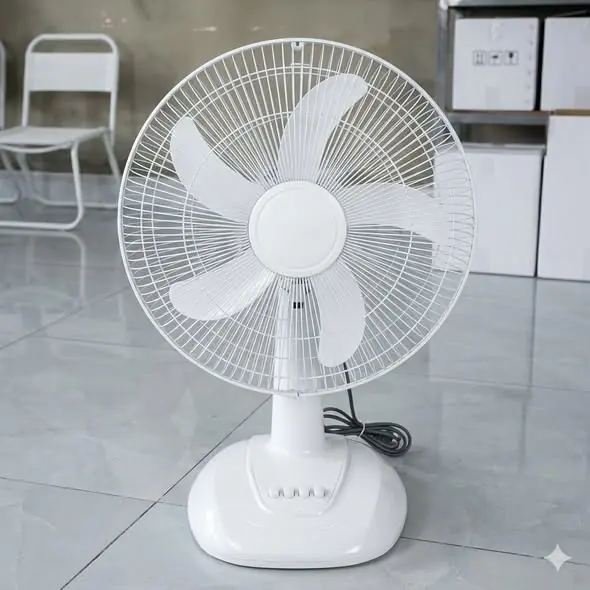
The effectiveness of this technique lies in combining airflow with moisture. The cleaning solution helps break down dust particles, while the fan’s motion pushes them away from the blades.
By containing the dust inside the plastic bag, this method prevents particles from spreading around the room—a common issue with traditional cleaning approaches.
Safety Considerations
While the method is simple, experts advise taking a few precautions:
- Do not overspray liquid near electrical components
- Ensure the plastic bag is secure but not too tight
- Run the fan only briefly to avoid overheating
- Always unplug before and after the process
Following these steps helps maintain both safety and effectiveness.
How Often Should You Clean Your Fan?
The frequency of cleaning depends on usage and environment. In general:
- Every 2–4 weeks for frequently used fans
- More often in dusty or polluted areas
- Less frequently in clean, controlled environments
Regular maintenance prevents heavy buildup and makes each cleaning session quicker and easier.
A Practical Solution for Every Home
This method is particularly appealing because it requires no technical skills or special tools. It is accessible to anyone, making it ideal for busy households or individuals who prefer quick solutions.
In addition to saving time, it also reduces the need for dismantling parts, which can sometimes lead to damage or improper reassembly.
Conclusion
Cleaning a dust-covered fan no longer needs to be a complicated task. With a simple 15-minute approach, homeowners can restore their appliances to near-new condition while improving air quality and efficiency.
As experts emphasize, maintaining household appliances doesn’t have to be difficult—sometimes, the easiest solutions are also the most effective.