
A Couple Diagnosed with Esophageal Can.cer Due to a Common Daily Drink: Risk Increased Up to 6 Times
A shocking medical case has drawn attention after a couple was diagnosed with esophageal cancer during a routine health check—both suffering from the same disease despite different risk backgrounds.
A surprising diagnosis during a routine check-up
In January this year, a 56-year-old man and his wife from Quanzhou (Fujian, China) went for a regular health screening. The results left them stunned: both were diagnosed with esophageal cancer. Fortunately, the disease was detected early and had not yet spread.
The husband had a family history of the disease, but his wife did not—raising concerns about what could have caused both of them to develop cancer at the same time.
The hidden cause: a daily habit many people share
After reviewing their lifestyle, doctors identified a key factor: their long-term habit of consuming very hot drinks and foods, especially hot tea, soup, and hot pot.
While many people believe that eating or drinking hot food is good for digestion, experts warn that regularly exposing the esophagus to high temperatures can damage its lining over time.
Why hot drinks are dangerous
The esophagus has a delicate inner lining that can be easily injured by heat. Continuous exposure to very hot liquids can cause repeated irritation and damage, increasing the risk of abnormal cell changes that may lead to cancer.
According to the International Agency for Research on Cancer (IARC), consuming beverages hotter than 65°C is classified as “probably carcinogenic” to humans.
Studies in regions such as South America, the Middle East, and Asia have also shown that people who frequently drink very hot beverages have a significantly higher risk of esophageal cancer.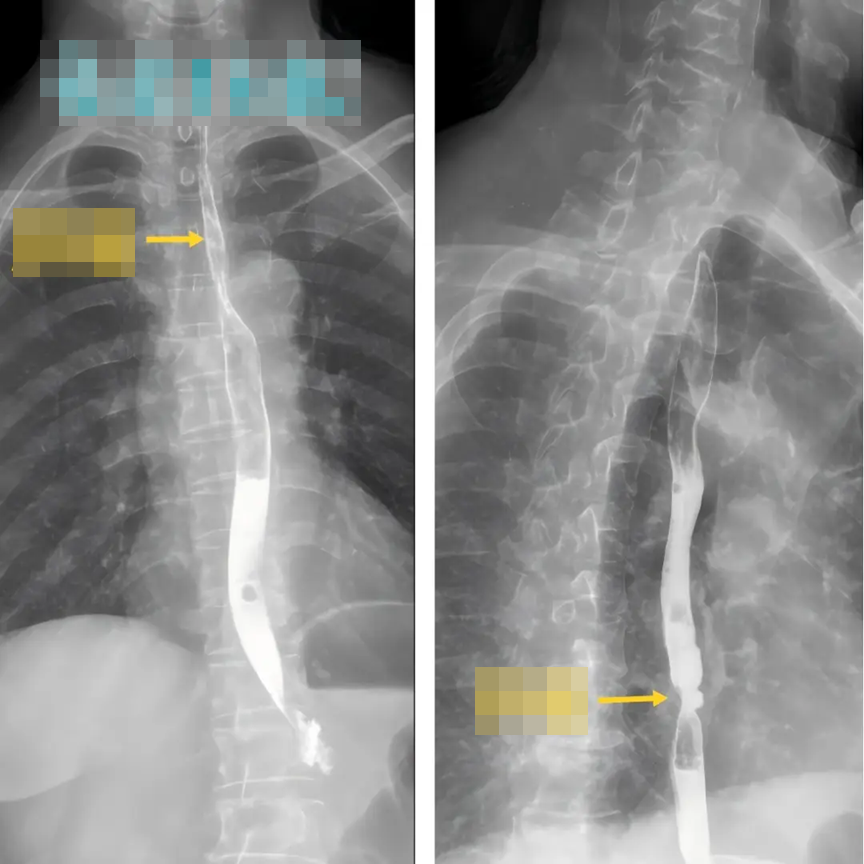
Up to 6 times higher cancer risk
Experts highlight that drinking very hot beverages daily may increase the risk of esophageal cancer by up to six times, especially when the habit is maintained over many years.
This finding challenges the common belief that hot drinks are harmless.
Early symptoms are easy to miss
Doctors warn that early-stage esophageal cancer often has no clear symptoms. Some subtle signs include:
-
Difficulty swallowing
-
Mild chest discomfort
-
Reduced appetite
These symptoms are often mistaken for minor digestive or throat issues, causing delays in diagnosis.
Treatment and recovery
After diagnosis, the couple underwent minimally invasive surgery. Just five days later, they were discharged, and within about a week, they were able to gradually return to a normal diet.
Expert advice
To reduce the risk of esophageal cancer, specialists recommend:
-
Avoid consuming food and drinks that are too hot
-
Let hot tea, soup, or porridge cool before eating
-
Limit frequent intake of high-temperature foods
This case highlights an important message: everyday habits—no matter how harmless they seem—can have long-term health consequences.