Stories of extraordinary longevity often capture public attention, especially when they are linked to health and lifestyle choices. One such case is that of Soong Mei-ling, a prominent historical figure who reportedly lived to the age of 106 despite being diagnosed with cancer in her 40s. Her life has sparked ongoing discussions about whether certain foods or habits can contribute to longevity and reduce cancer risk.
While some claims highlight specific “miracle” vegetables or drinks, medical experts caution that the reality is more complex.
Who Was Soong Mei-ling?
Soong Mei-ling, also known as Madame Chiang Kai-shek, was a significant political and cultural figure in 20th-century China. Beyond her public life, her longevity has drawn interest from health enthusiasts seeking insights into her lifestyle.
Reports suggest that she maintained a disciplined routine, including a balanced diet, regular habits, and access to quality healthcare—all factors known to influence long-term health.
The Claim: One Vegetable, Multiple Benefits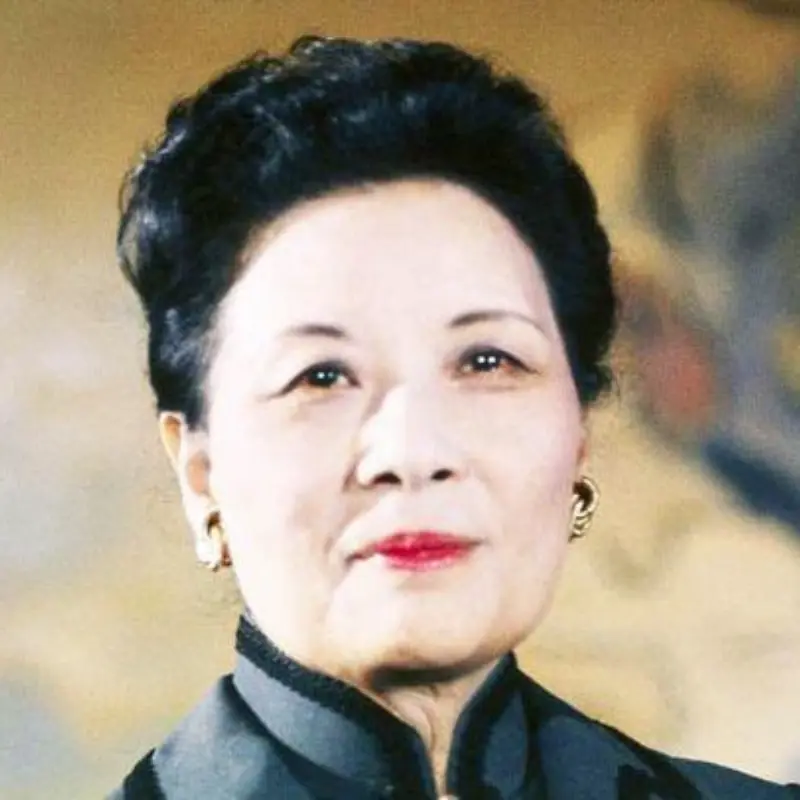
Online discussions often point to a particular vegetable as a key factor in preventing multiple types of cancer. While vegetables are undeniably beneficial, experts emphasize that no single food can prevent cancer on its own.
Vegetables such as broccoli, garlic, leafy greens, and cruciferous varieties are rich in antioxidants, vitamins, and compounds that support the body’s natural defense systems. These nutrients may help reduce inflammation and protect cells from damage.
However, their benefits are most effective when part of an overall healthy diet.
The Role of Diet in Cancer Prevention
Scientific research supports the idea that diet plays a role in reducing cancer risk. A diet rich in fruits, vegetables, whole grains, and lean proteins has been associated with lower rates of certain cancers.
Key components include:
-
Antioxidants: Help protect cells from oxidative stress
-
Fiber: Supports digestive health and may reduce cancer risk
-
Phytochemicals: Found in plants, these compounds may have protective effects
Still, experts stress that these benefits come from a combination of foods rather than a single ingredient.
What About “Three Cheap Drinks”?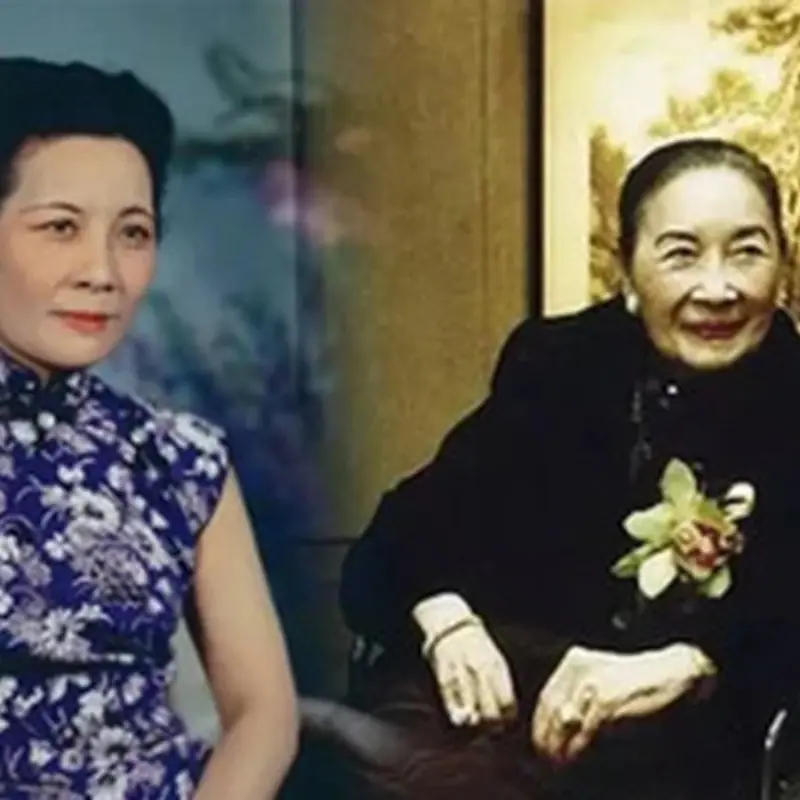
Another popular claim involves inexpensive beverages that are said to promote health and prevent disease. Common examples include green tea, herbal infusions, and plain water.
Green tea, for instance, contains compounds called catechins, which have been studied for their potential health benefits. Staying well-hydrated and choosing low-sugar beverages can also support overall health.
However, as with food, no drink alone can guarantee disease prevention.
The Importance of Lifestyle Factors
Beyond diet, several lifestyle factors likely contributed to Soong Mei-ling’s longevity:
-
Regular routines: Consistent sleep and daily habits
-
Stress management: Emotional well-being plays a key role in health
-
Access to healthcare: Early detection and treatment of illnesses
-
Physical activity: Even moderate movement supports long-term health
These elements, combined with a balanced diet, form the foundation of healthy aging.
Debunking the “Miracle Cure” Narrative
Health experts warn against oversimplified claims that suggest a single food or drink can prevent multiple diseases. Cancer is a complex condition influenced by genetics, environment, and lifestyle.
Relying on “miracle” solutions can be misleading and may distract from evidence-based prevention strategies.
What Science Recommends
Leading health organizations recommend a comprehensive approach to reducing cancer risk, including:
-
Eating a varied, plant-rich diet
-
Limiting processed and high-sugar foods
-
Avoiding tobacco and excessive alcohol
-
Staying physically active
-
Undergoing regular medical screenings
These steps are supported by extensive research and offer a more reliable path to long-term health.
Conclusion
The life of Soong Mei-ling serves as an inspiring example of longevity, but her story also highlights the importance of looking beyond simple explanations. While vegetables and healthy drinks play a role in supporting the body, they are just one part of a broader picture.
True health and longevity are the result of balanced nutrition, consistent habits, and informed medical care. Rather than searching for a single “secret,” experts encourage individuals to adopt a holistic approach—one that supports both body and mind over the long term.