Ginger is a staple ingredient in kitchens around the world, valued for its distinctive flavor and health benefits. However, many home cooks face a common problem: fresh ginger tends to shrink, rot, or sprout if left unused for too long. According to food storage experts, improper storage is often the reason behind this spoilage. Fortunately, simple techniques can significantly extend ginger’s shelf life—sometimes up to six months.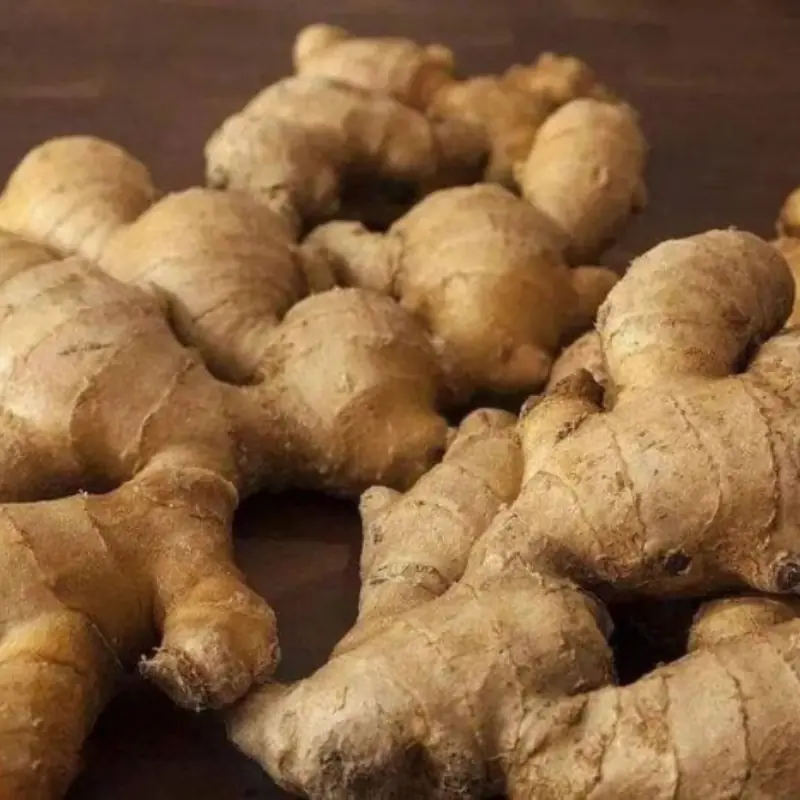
Why Ginger Spoils Quickly
Fresh ginger contains a high amount of moisture, which makes it prone to dehydration and microbial growth. When exposed to air and fluctuating temperatures, it can quickly lose its firmness, develop mold, or begin to sprout.
Additionally, storing ginger at room temperature for extended periods accelerates these processes. Without proper care, even a fresh piece of ginger can become unusable within a few weeks.
Common Signs of Spoilage
Before discussing storage methods, it is important to recognize when ginger has gone bad. Key signs include:
-
Wrinkled or shriveled skin
-
Soft or mushy texture
-
Visible mold or dark spots
-
Unpleasant odor
If any of these signs are present, the ginger should not be consumed.
Refrigeration: A Simple and Effective Method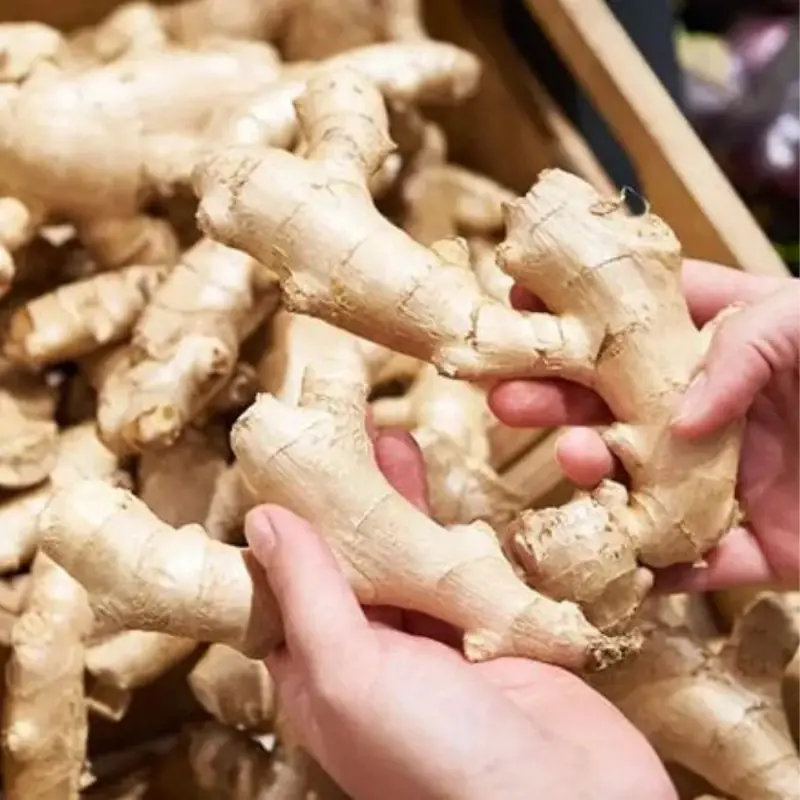
One of the easiest ways to preserve ginger is by storing it in the refrigerator. Experts recommend placing unpeeled ginger in a paper towel and sealing it inside an airtight container or resealable plastic bag.
This method helps control moisture levels and prevents exposure to air, slowing down spoilage. When stored properly in the refrigerator, ginger can remain fresh for several weeks.
Freezing for Long-Term Storage
For those looking to store ginger for months, freezing is one of the most effective solutions.
Ginger can be frozen whole, sliced, or grated. Once frozen, it becomes easier to grate directly into dishes without thawing. Importantly, freezing preserves both flavor and nutritional value.
According to food safety guidelines, frozen ginger can last up to six months or longer without significant loss of quality.
Using Alcohol for Preservation
Another lesser-known method involves storing ginger in alcohol, such as vodka or rice wine. By submerging peeled ginger in a sealed container filled with alcohol, microbial growth is inhibited.
This method is particularly useful for cooking, as the ginger remains ready to use while also infusing the liquid with flavor. However, it may slightly alter the taste, so it is best suited for certain recipes.
Avoiding Common Storage Mistakes
Many people unknowingly shorten the lifespan of ginger through improper handling. Experts highlight several mistakes to avoid:
-
Leaving ginger exposed to air
-
Storing it in humid or warm environments
-
Peeling it before storage
-
Washing it before storing without drying thoroughly
Keeping ginger dry and protected is key to maintaining its freshness.
The Role of Proper Portioning
Another helpful tip is to divide ginger into smaller portions before storing. This reduces the need to repeatedly expose the entire piece to air and moisture.
By only using what is needed, the remaining ginger stays fresher for longer.
Why Reducing Food Waste Matters
Extending the shelf life of ingredients like ginger is not only convenient but also contributes to reducing food waste. Globally, a significant portion of food is discarded due to spoilage.
By adopting better storage practices, households can save money and make more efficient use of their groceries.
Conclusion
Ginger may be prone to shrinking, rotting, or sprouting, but with the right storage techniques, it can remain fresh for months. Whether stored in the refrigerator, freezer, or even preserved in alcohol, simple steps can make a significant difference.
Experts emphasize that understanding how to store food properly is an essential part of modern home cooking. With minimal effort, it is possible to keep ginger fresh, flavorful, and ready to use—reducing waste while enhancing everyday meals.