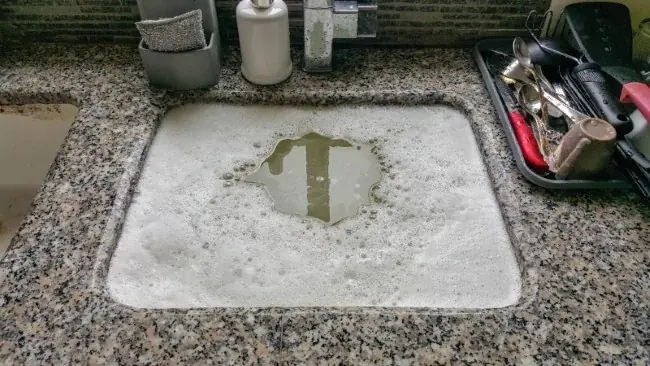
Add this solution to your sink drain to dissolve built-up grease, unclog pipes, and eliminate bad smells
Simply pour this into your kitchen sink to melt grease, free blockages, and freshen up the drain
Tips 20/03/2026 00:51
The ZZ plant, scientifically known as Zamioculcas zamiifolia, has become one of the most popular houseplants in American homes, prized for its glossy leaves, low maintenance needs, and reputation for resilience. Recently, social media and gardening communities have circulated claims that adding certain ingredients to watering routines can stimulate faster growth, encourage blooms, and even bring “good fortune” to households. While such claims capture attention, horticulture experts say the reality is both simpler and more grounded in plant science.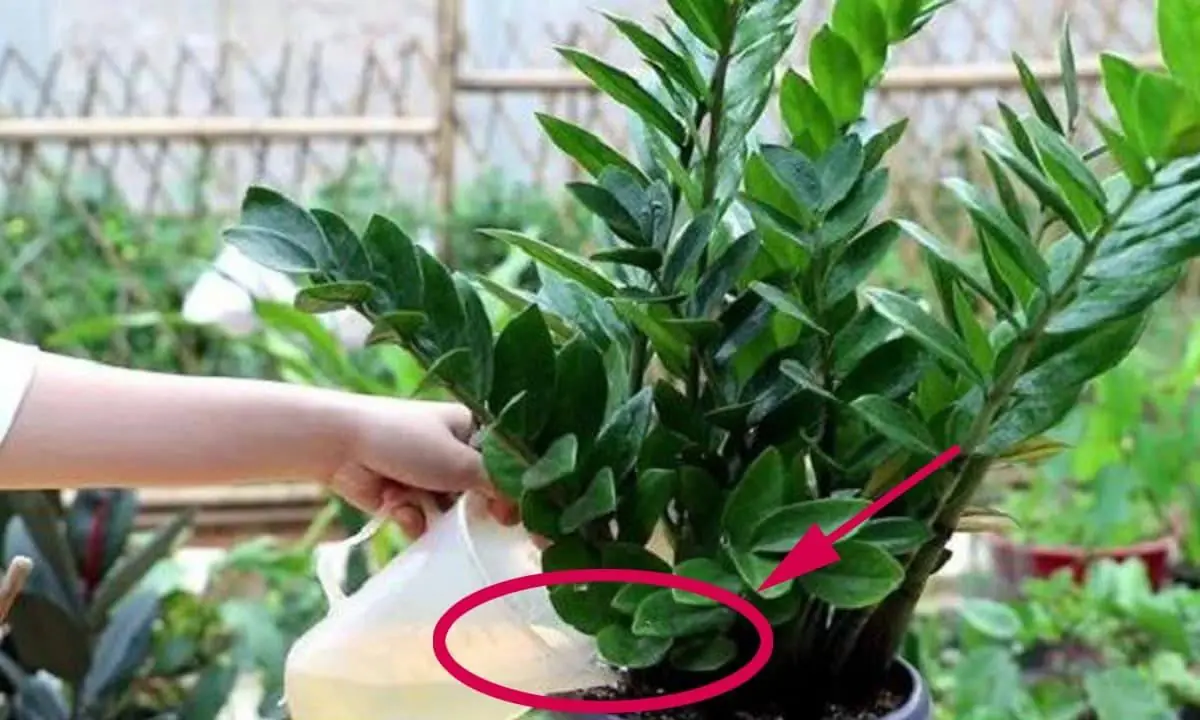
Native to Eastern Africa, the ZZ plant thrives in a variety of indoor conditions, including low light and irregular watering schedules. Its thick, waxy leaves and underground rhizomes allow it to store water efficiently, making it highly drought-tolerant.
Because of these qualities, the ZZ plant is often recommended for beginners or those with busy lifestyles. In addition to its practical benefits, it is also associated in some cultures with prosperity and positive energy, contributing to its widespread appeal.
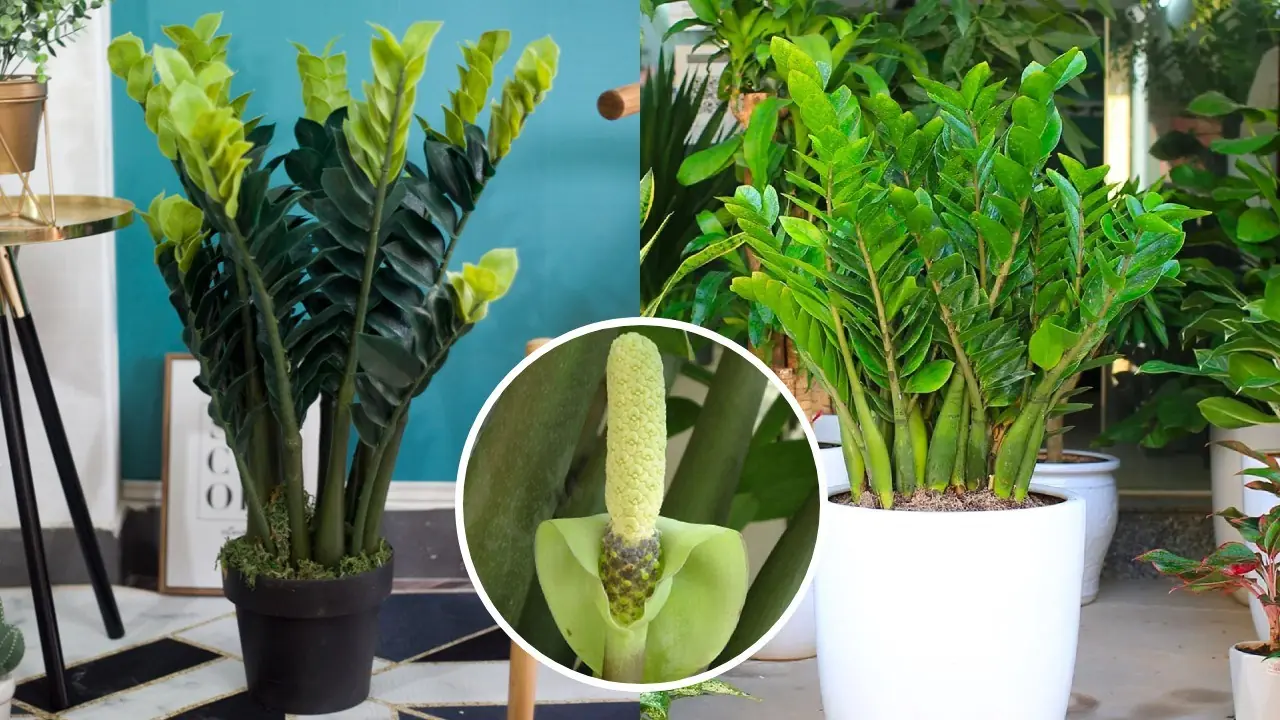
Healthy ZZ plants periodically produce new shoots, which emerge as lighter green, tightly curled stems before maturing into darker, glossy leaves. This natural growth cycle depends primarily on factors such as light exposure, watering habits, soil quality, and temperature.
While fertilizers and nutrient solutions can support plant health, experts caution against expecting dramatic or instant results from any single “secret ingredient.” Growth is typically gradual and influenced by consistent care rather than quick fixes.
The idea of mixing substances into watering routines—ranging from diluted fertilizers to household ingredients—has gained traction online. Some mixtures may provide nutrients, but not all are beneficial.
Balanced, diluted liquid fertilizers designed for houseplants can support growth when used correctly, particularly during the growing season (spring and summer). However, adding unverified substances—such as sugary liquids, excessive minerals, or acidic compounds—can harm the plant by disrupting soil balance or damaging roots.
Horticulturists emphasize that more is not always better. Over-fertilizing is one of the most common mistakes among plant owners and can lead to root burn or stunted growth.
While the image highlights blooming, it is important to note that ZZ plants rarely flower indoors. When they do, the blooms are small, subtle, and often hidden near the base of the plant. The flower resembles a small spadix, similar to that of a peace lily, and is not considered a primary ornamental feature.
Encouraging a ZZ plant to bloom requires optimal conditions—adequate light, stable temperatures, and proper care over an extended period. Even then, flowering remains uncommon in indoor environments.
Rather than relying on unverified mixtures, experts recommend focusing on proven care methods:
Light: ZZ plants tolerate low light but grow faster in bright, indirect light.
Watering: Allow the soil to dry out between waterings to prevent root rot.
Soil: Use well-draining potting mix to avoid excess moisture retention.
Fertilizer: Apply a balanced liquid fertilizer sparingly during active growth periods.
Temperature: Maintain a stable indoor environment, avoiding extreme cold.
These practices provide a reliable foundation for healthy growth and vibrant foliage.
Simply pour this into your kitchen sink to melt grease, free blockages, and freshen up the drain
Quick thawing tips for frozen meat without losing quality.

Most People Ignore This… But It Could Save You Trouble
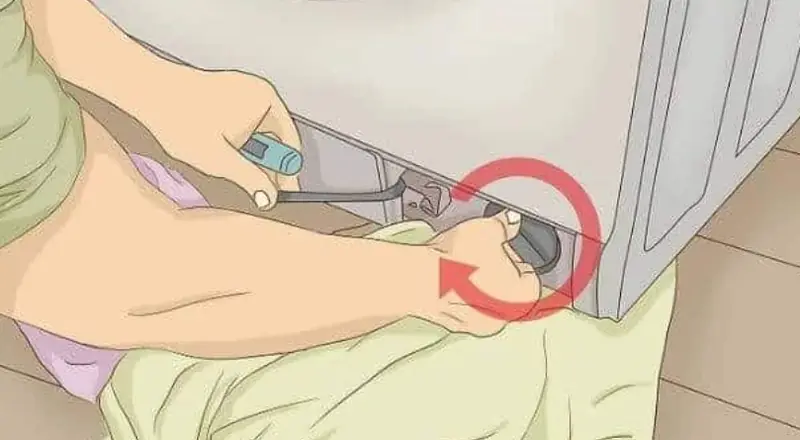
Did You Know? This Hidden Button on Your Washer Drains Water Immediately

Turn boiled eggshells into something useful: surprising uses you should know
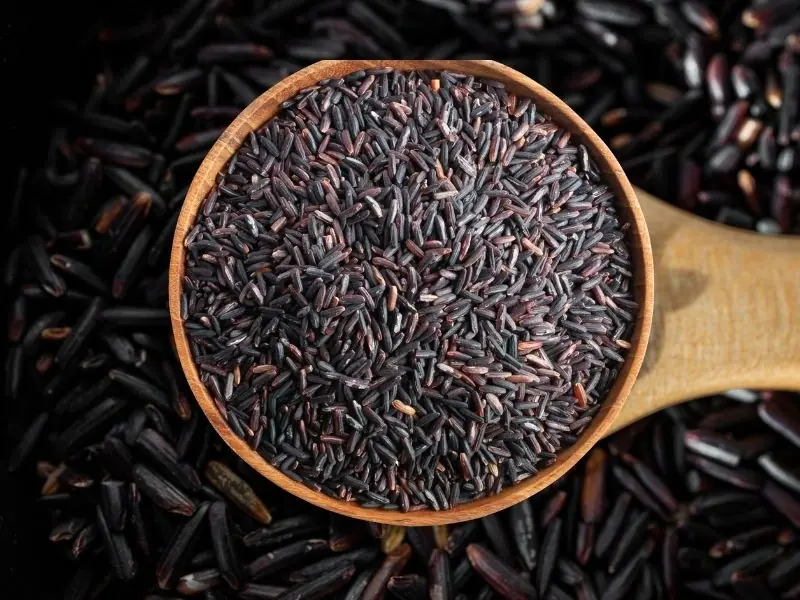
5 foods that can be stored for years without going bad
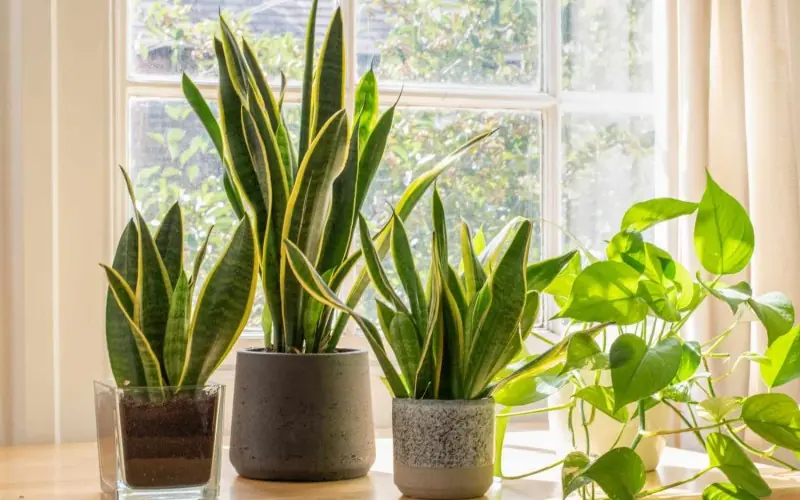
Discover 5 plants that can neutralize formaldehyde and purify the air with impressive efficiency
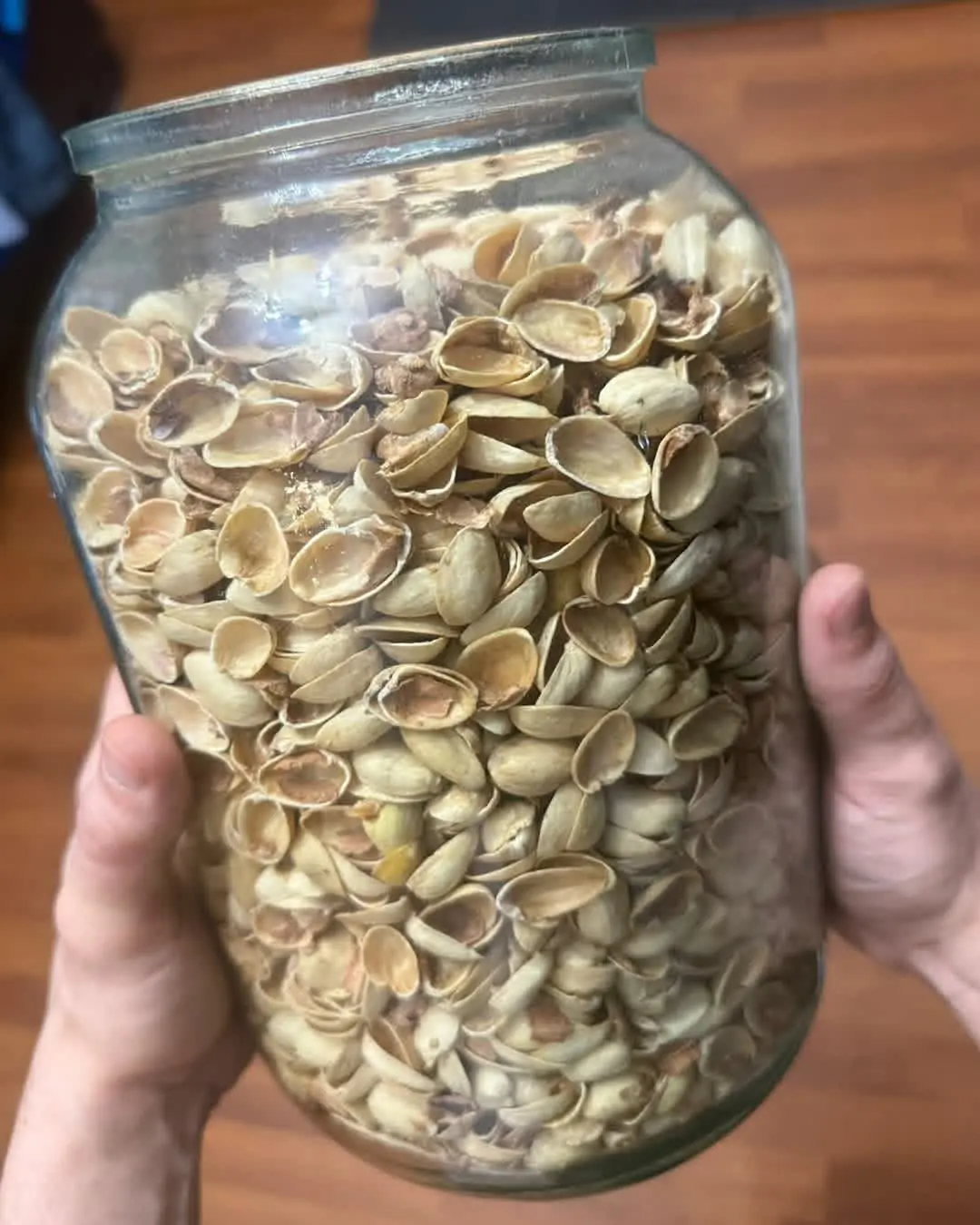
You’ll Never Throw Pistachio Shells Away Again

This Paper-in-the-Fridge Trick Can Help You Reduce Your Energy Bill
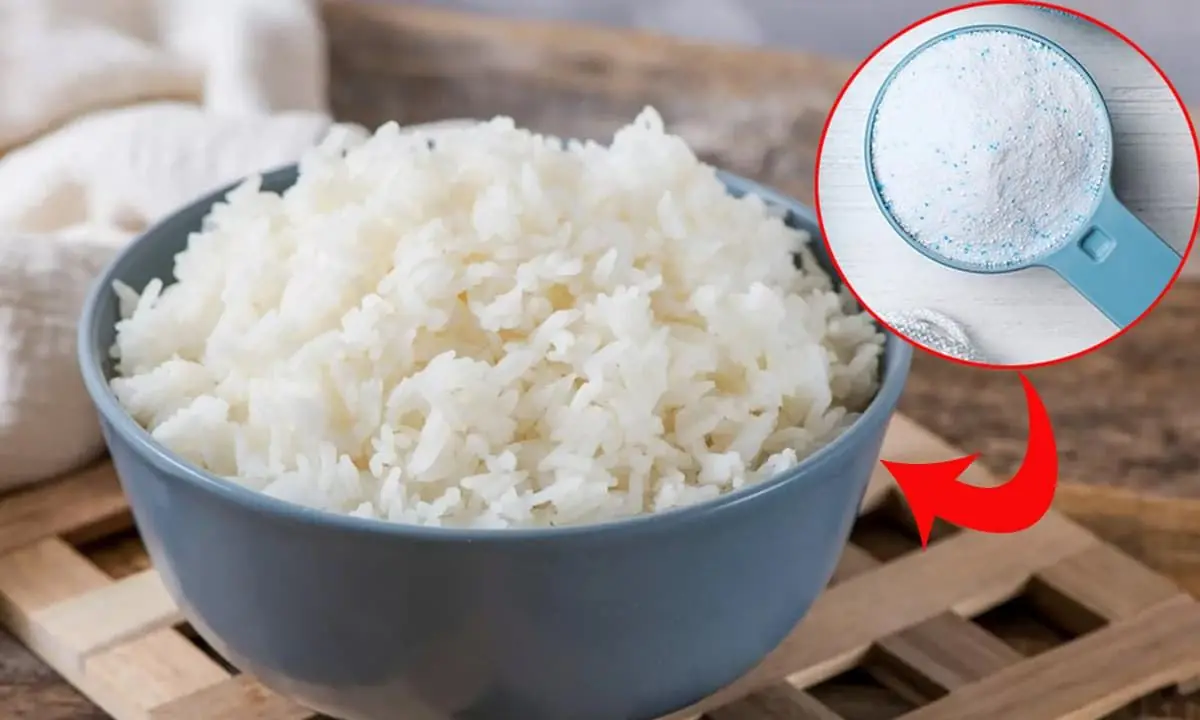
Why Mixing Detergent with Leftover Rice Is Becoming a Popular Household Hack

Want Juicy, Tender Meat Every Time? Read This First!

Before You Toss That Shirt… Try This Bleach Fix First!
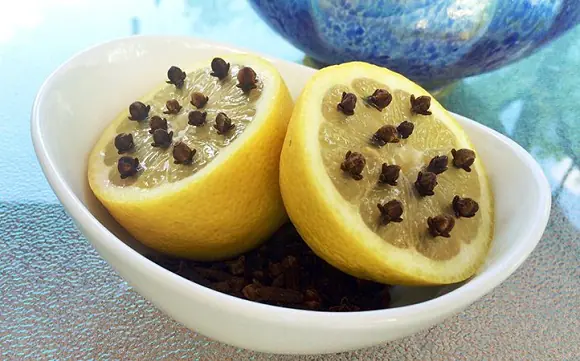
The Benefits of Combining Lemon and Cloves in Your Daily Routine

Choose one nail… and uncover your hidden traits.

Why You Should Pour Hot Water Into the Toilet After Checking Into a Hotel?
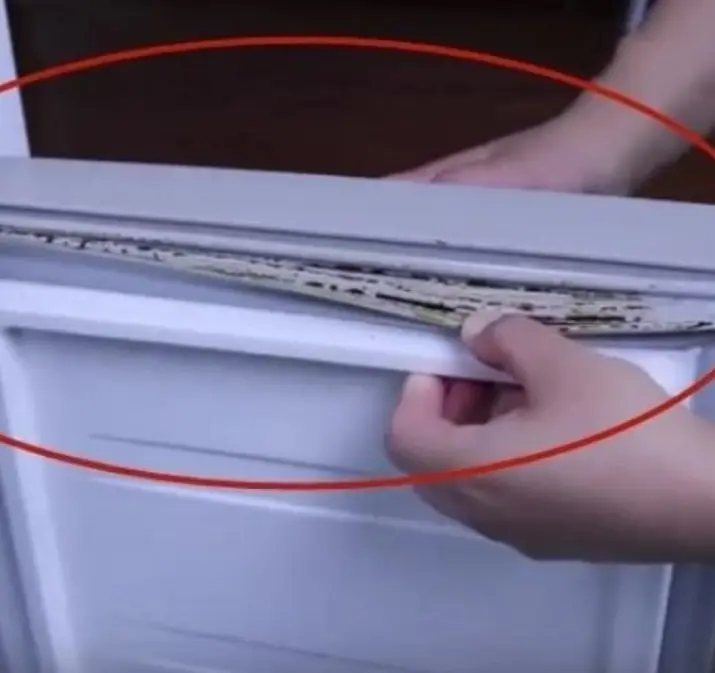
Get rid of black mold on fridge seals quickly and safely.

Clean dusty fan blades easily without taking the frame apart.
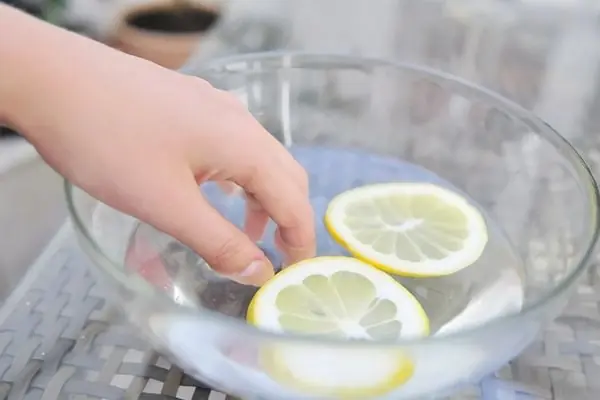
Say Goodbye to Garlic Smell on Your Hands with These Easy Tips

6 plants that may attract snakes to your home and 4 that may help keep them away

Experts warn that pa.in in your heel could indicate a more serious health problem

Act Fast: Recognize Early Symptoms of Stomach Cancer Before It’s Too Late

Beware: Eating Boiled Eggs the Wrong Way Can Affect Your Heart
Simply pour this into your kitchen sink to melt grease, free blockages, and freshen up the drain

Cultural and Historical PerspectivesFloor Sleeping in Japan: History, Culture, and Tradition Behind the Practice

Bananas at the Right Time: Optimize Energy, Digestion, and Fat Loss

Not Everyone Can Eat Cashews – Find Out If You’re at Risk

Avoid Jackfruit if You Belong to These 5 Groups

Red spots in eggs: harmless defect or warning sign?

8 Symptoms That May Indicate Low Blood Oxygen Levels
Quick thawing tips for frozen meat without losing quality.
Most People Ignore This… But It Could Save You Trouble

Doctors Share the Shocking Effects of Eating Peanuts – Full Story in 1st Comment

Poor Circulation Holding You Back? Here Are 6 Ways to Boost Blood Flow

Stay alert: key signs and symptoms of pancreatic cancer you need to recognize early.
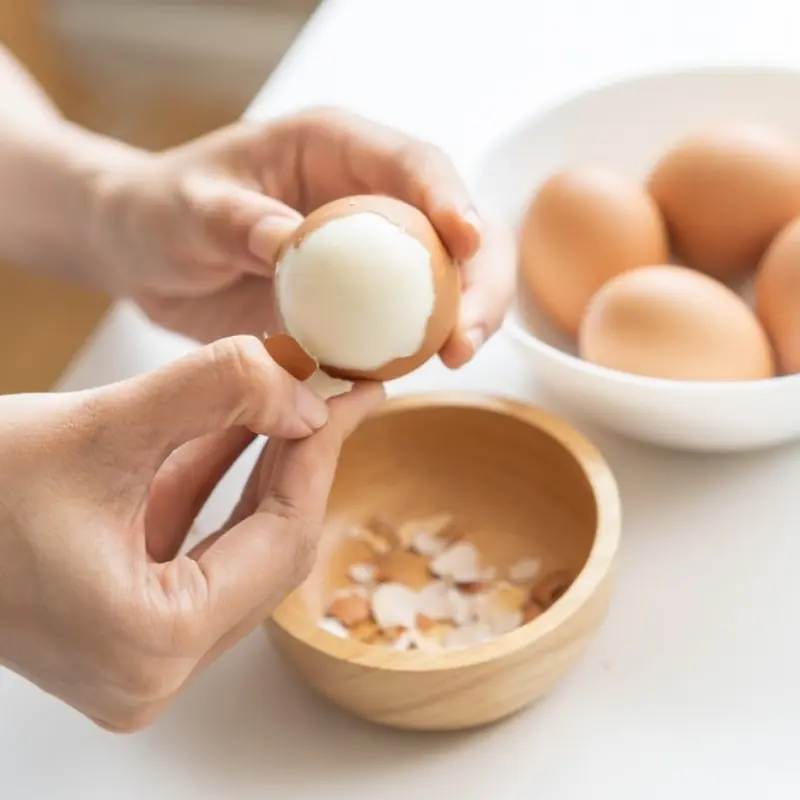
How many eggs per week is healthy? Experts offer updated guidance.

If You Have These Lines on Your Nails After 40… Here’s What They Really Mean

Your body may warn you before a stroke strikes. Spot these 5 signs early—it could save a life.

These are the symptoms nearly half of str:oke patients feel days before the att:ack