Snakes are a natural part of many ecosystems, playing an important role in controlling pests such as rodents and insects. However, most people prefer not to encounter snakes in their homes or gardens. Interestingly, the type of plants growing around a house can influence whether snakes are more likely to appear.
While plants themselves do not directly “invite” snakes, they can create environments that either attract or discourage them. Some plants provide shade, moisture, or shelter—conditions that snakes find comfortable. Others may help repel snakes by producing strong scents or reducing the presence of prey.
Understanding which plants may attract snakes and which ones may help keep them away can help homeowners design safer and more comfortable outdoor spaces.
Why Snakes Are Attracted to Certain Areas
Before discussing specific plants, it is important to understand why snakes choose certain environments. Snakes are typically attracted to areas that offer:
-
Food sources (such as rodents, frogs, or insects)
-
Shelter (dense vegetation, piles of leaves, or tall grass)
-
Moisture (damp soil, water features)
-
Warmth or shade depending on weather conditions
Plants that create these conditions may indirectly increase the likelihood of snakes appearing.
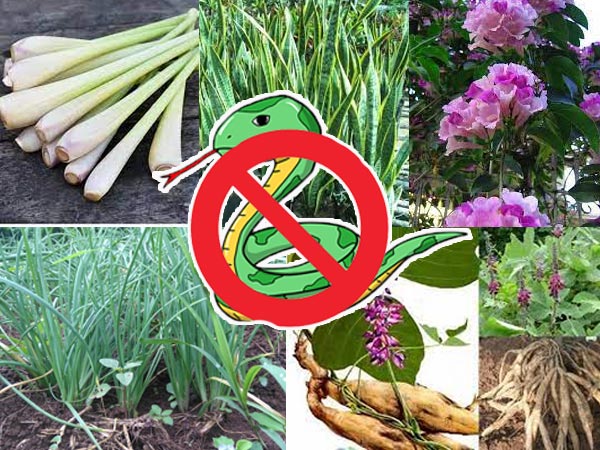
6 Plants That May Attract Snakes
1. Dense Ground Cover Plants
Ground cover plants like ivy or creeping vines can create thick, shaded areas close to the ground. These areas provide excellent hiding spots for snakes.
Because they are difficult to see through, they allow snakes to move and rest without being noticed.
2. Tall Ornamental Grasses
Tall grasses such as pampas grass or fountain grass can provide ideal shelter for snakes. Their height and density make them perfect for hiding and nesting.
If not regularly trimmed, these grasses may become a safe refuge for small animals—and snakes that hunt them.
3. Fruit-Bearing Plants
Plants that produce fruit can attract insects and small animals like rodents. These animals, in turn, attract snakes looking for food.
Examples include:
-
Berry bushes
-
Fallen fruit trees
-
Overripe produce in gardens
Keeping these areas clean can help reduce the risk.
4. Water-Loving Plants
Plants that thrive in moist environments—such as ferns or plants near ponds—can create damp conditions that attract frogs and insects.
Since these creatures are common prey for snakes, the presence of water-loving plants may indirectly attract them.
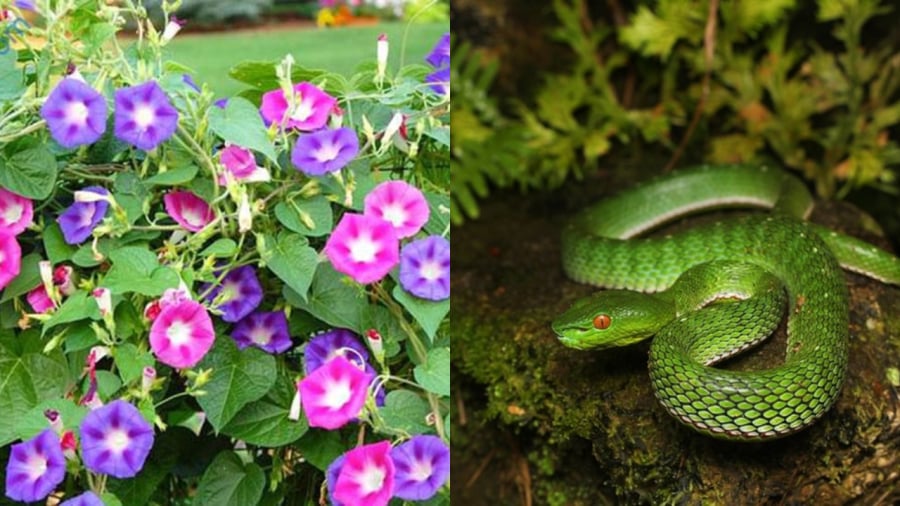
5. Shrubs with Thick Foliage
Bushes and shrubs with dense leaves can provide excellent cover for snakes. These plants may also shelter rodents or birds, increasing the availability of food.
Overgrown shrubs that are not regularly maintained can become ideal hiding spots.
6. Vegetable Gardens
Vegetable gardens often attract insects and small animals, especially if food scraps or fallen produce are left behind.
Rodents may be drawn to these areas, and snakes may follow in search of prey.
Proper garden maintenance is essential to reduce this risk.
4 Plants That May Help Repel Snakes
While no plant can guarantee that snakes will stay away, some are believed to help discourage them due to their strong scents or environmental effects.
1. Lemongrass
Lemongrass has a strong citrus scent that may help deter certain pests. It is often used in natural insect-repellent products.
Because it can reduce insect populations, it may indirectly make the area less attractive to snakes.
2. Marigolds
Marigolds are commonly used in gardens to repel insects due to their strong smell. By reducing insects, they may also reduce the presence of small animals that snakes feed on.
They are easy to grow and add color to the garden while serving a practical purpose.
3. Garlic and Onion Plants
Garlic and onions produce strong odors that many animals find unpleasant. Some people believe these smells may discourage snakes from entering certain areas.
Planting them around garden borders may help create a less inviting environment.
4. Snake Plant (Sansevieria)
Despite its name, the snake plant is often believed to help repel snakes due to its sharp, upright leaves.
While scientific evidence is limited, it is commonly used in gardens and homes as a natural deterrent.
Additional Tips to Keep Snakes Away
Beyond choosing the right plants, maintaining a clean and organized outdoor space is essential.
Helpful practices include:
-
Keeping grass trimmed and vegetation under control
-
Removing piles of leaves, wood, or debris
-
Storing food waste properly
-
Sealing gaps or holes around the home
-
Reducing standing water
These steps help eliminate the conditions that attract snakes.
Understanding the Bigger Picture
It is important to note that snakes are not naturally aggressive and usually avoid humans. They are more likely to appear in areas where food, shelter, and suitable environmental conditions are available.
Rather than focusing only on specific plants, creating a balanced and well-maintained environment is the most effective way to reduce the likelihood of snake encounters.
Conclusion
Plants play a subtle but important role in shaping the environment around your home. Dense vegetation, moisture-rich areas, and food sources can indirectly attract snakes by providing shelter and prey. On the other hand, certain plants with strong scents or pest-repelling properties may help make your garden less appealing to them.
By understanding these factors and maintaining a clean outdoor space, homeowners can reduce the chances of encountering snakes and create a safer, more comfortable living environment.
In the end, it is not just about the plants themselves—but how they influence the ecosystem around your home.