Pork is a common food found in almost every Vietnamese meal. Despite eating it so often, do people know which parts of the pig should be avoided to prevent health problems?
It's not wrong to say that "every part of a pig is valuable." Because every part of a pig can be processed into food for humans.
For example, from pork head meat (including ears, nose, tongue, and brain) to shoulder meat, rump meat, belly meat, trotters, lean meat, pork fat, and bones (ribs, spine, and rib bones)... all can be used to prepare dishes such as boiling, stir-frying, frying, roasting, and stewing. In addition, pork offal (including heart, liver, kidneys, small intestine, and large intestine) can also be processed into various dishes.
So the question is, which parts of the pig should not be eaten, and how much is necessary?
Eating blood pudding
When consuming raw or undercooked pig's blood, streptococcal bacteria from the food can enter the body and cause illness.
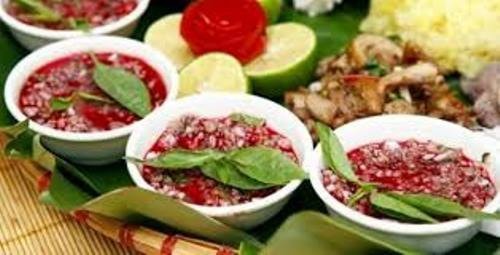
Streptococcus suis bacteria cause symptoms such as encephalitis, hemorrhage, pneumonia, myocarditis, and arthritis, and can even lead to death. In Vietnam, over 70% of patients infected with Streptococcus suis contracted the disease from eating raw pig blood soup.
Pig brain
Many mothers believe in the saying "eat what's good for you," so they often buy pig brains and force their children to eat them. However, pig brains do not actually help with brain development as rumored. On the contrary, eating too much pig brain can put children at risk of obesity, dyslipidemia, and cardiovascular problems.
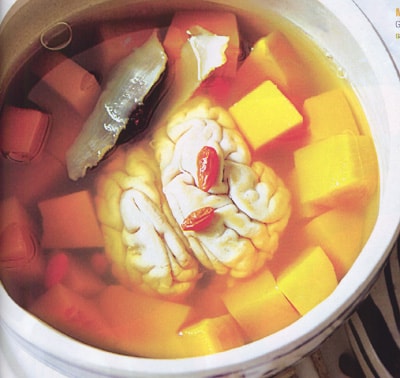
Pig brains are very nutritious. Statistics show that every 100g of pig brain contains up to 2500mg of cholesterol, which is 8 times the daily cholesterol requirement for a person. The protein content in pig brain is only 9g/100g, much lower than other parts such as lean meat.
Eating pork liver
The liver is the organ responsible for metabolizing and eliminating toxins in pigs, so it also accumulates a lot of waste products, pathogens, and a certain amount of toxins. The liver also contains many parasites such as tapeworms and disease-causing viruses.
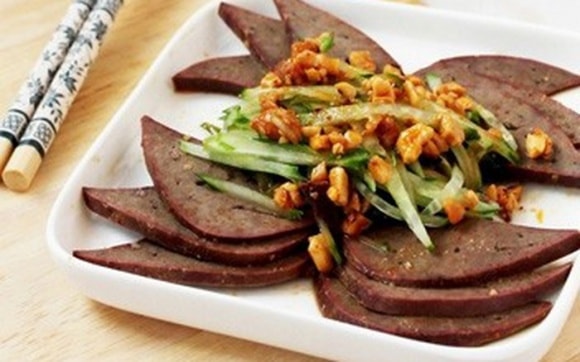
To reduce liver toxicity, soak the liver in fresh milk for 30 minutes to help remove the unpleasant odor and accumulated toxins.
However, if you regularly eat pork liver, you should gradually reduce your consumption because it is not a healthy food at all.
Pork leg
Pork trotters primarily contain protein, fat, and collagen. Additionally, they are rich in calcium, iron, and vitamins A, B, and C. However, the high fat content in pork trotters is unhealthy if consumed in excessive amounts.

Not to mention, pork trotters are high in fat, which can make digestion difficult and is not good for people with high cholesterol levels.
Pig intestines, small intestines, and other offal.
These two parts, as well as other pig organs, contain a lot of protein and cholesterol. This is not beneficial for people with cardiovascular disease, diabetes, high blood cholesterol, or metabolic disorders.
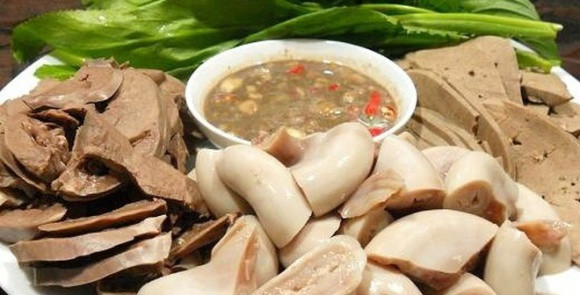
Eating undercooked pork intestines is very dangerous because they contain E. coli and other bacteria that cause diarrhea, cholera, dysentery, and typhoid fever.
Eating too much organ meat is also a cause of other dangerous diseases such as gout, acute pancreatitis, fatty liver disease, and obesity.
Are pig lungs full of dirt?
We often hear that we shouldn't eat pig lungs because they accumulate a lot of dust, as the lungs are where gases are exchanged, collecting a lot of dust from the air. In addition, pigs tend to root in the ground, causing their lungs to inhale even more dust. To understand this issue better, let's first talk about humans.
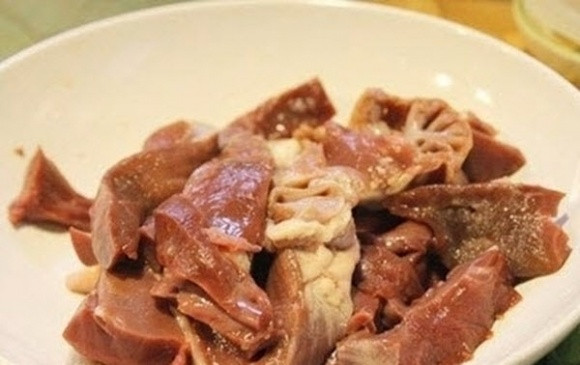
We may have heard of a disease called "pneumoconiosis." This disease has only recently been detected in humans. The main cause is prolonged work in dusty environments, where patients frequently inhale large amounts of dust, leading to the accumulation of dust in the lungs and under the trachea.
Therefore, it's best that we also avoid eating pig lungs because we might ingest a lot of dirt from this part of the pig.