At 22 years old, he appeared to be the definition of health.
He exercised regularly—three to four times a week without fail. His diet was balanced, clean, and intentional. He avoided smoking entirely and only drank socially on rare occasions. Even minor illnesses seemed to pass him by. While friends complained about seasonal colds or fatigue, he remained energetic, focused, and productive.
From every angle—externally and internally—there was no reason to suspect anything was wrong.
And that is exactly what made the diagnosis so shocking.
He had tuberculosis.
Not the dramatic, historical version often associated with extreme weakness or visible suffering. Not the image of a disease confined to the past. What he had was active pulmonary tuberculosis—quiet, infectious, and potentially serious—discovered only because of a symptom so subtle that most people would have ignored it completely.

The Symptom That Didn’t Seem Important
It started with something incredibly ordinary.
A cough.
There was no alarming fever. No chest pain. No dramatic weight loss. No sign that would make someone immediately concerned.
Just a mild cough.
At first, it felt easy to explain away. Maybe it was the weather. Maybe dust or pollution. Maybe just a lingering irritation from a recent cold that never fully went away.
Some days, the cough almost disappeared. On others, it returned—dry, slightly annoying, but never severe.
It didn’t interrupt his daily life.
He continued working. Exercising. Meeting friends. Living normally.
Weeks passed.
Then, something else appeared—subtle, almost forgettable: night sweats.
Not intense or frightening. Just waking up slightly damp. A bit uncomfortable. A bit confusing.
He blamed stress. Maybe the room was too warm. Maybe the blanket was too heavy.
Life went on.
There was no urgency. No fear. No reason to stop and think, something is seriously wrong.
But one detail slowly became impossible to ignore:
The cough didn’t go away.
After more than a month, it was no longer just a passing inconvenience—it was a pattern.
That realization—more than any symptom—was what pushed him to seek medical attention.
And that decision may have changed everything.
The Diagnosis No One Expected
What began as a routine check turned into something far more serious.
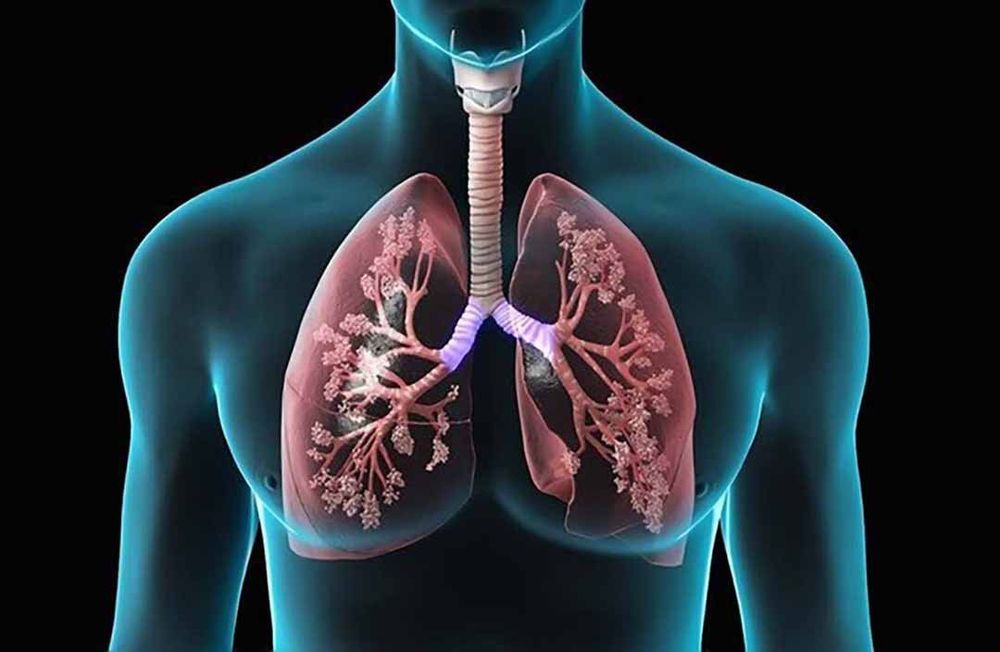
A chest X-ray revealed abnormalities in his lungs—areas that didn’t look normal. Further testing followed. Blood work. Sputum analysis.
Then came the confirmation.
Mycobacterium tuberculosis.
Pulmonary tuberculosis.
The words felt misplaced—like they belonged to someone else’s life, not his.
Tuberculosis is often associated with certain assumptions:
Older individuals
Weakened immune systems
Malnutrition
Crowded or high-risk living environments
He fit none of these categories.
He was young. Active. Healthy.
But disease does not follow assumptions.
And infection does not follow stereotypes.

Why Tuberculosis Is So Easily Missed
One of the most dangerous aspects of tuberculosis is not how it progresses—but how it begins.
Quietly.
Subtly.
Almost invisibly.
Many people believe tuberculosis is a disease of the past. In reality, it remains a global health concern, affecting millions every year.
The problem is not just the disease itself—it is how easily its early signs are dismissed.
Early symptoms often include:
-
A cough lasting more than 2–3 weeks
-
Mild, persistent fatigue
-
Low-grade fever
-
Night sweats
-
Gradual, unexplained weight loss
Individually, none of these symptoms seem alarming.
Together, they can still be overlooked.
Especially in young, otherwise healthy individuals.
Because when someone feels “fine overall,” the brain automatically minimizes small discomforts.
In his case, he continued commuting, working, exercising, and socializing—completely unaware that he was carrying an airborne infectious disease.
The Hidden Danger of Waiting Too Long
Tuberculosis spreads through microscopic droplets in the air.
A cough.
A laugh.
A conversation in close proximity.
That is all it takes.
In enclosed spaces, the risk increases significantly.
Without treatment, the consequences can escalate:
-
Progressive lung damage
-
Formation of cavities in lung tissue
-
Spread of infection to other organs
-
Increased difficulty in treatment
-
Transmission to others
Doctors later explained that timing was everything.
Because he sought help when he did, the infection was caught before severe damage occurred.
Another few months—and the outcome could have been very different.
Treatment: Long, Challenging, but Effective
Tuberculosis treatment is not quick or simple.
It requires a strict, multi-drug antibiotic regimen that typically lasts at least six months—and sometimes longer.
In the early stages, he had to limit close contact with others to prevent spreading the infection.
The medications were strong.
And the side effects were real:
-
Persistent fatigue
-
Nausea
-
Changes in appetite
-
Occasional dizziness
Some days felt heavier than others.
But consistency was non-negotiable.
Missing doses could allow the bacteria to adapt, leading to drug resistance—a far more dangerous situation.
Slowly, progress began to show.
Follow-up scans revealed improvement.
Inflammation in the lungs decreased.
The cough faded.
Energy began to return.
Because the disease had been detected before causing extensive damage, his doctors are confident:
He is expected to make a full recovery.
The Reality This Story Reveals
This is not just a medical case.
It is a reminder.
A reality check.
Because the truth is:
Youth does not equal immunity.
Good habits reduce risk—but they do not eliminate it.
Tuberculosis does not always arrive loudly.
Sometimes, it whispers.
Through:
-
A cough that lingers
-
Nights that feel slightly off
-
Fatigue that doesn’t quite make sense
The danger lies in how easy it is to ignore.
When Should You Pay Attention?
Medical professionals generally recommend evaluation if you experience:
-
A cough lasting longer than 2–3 weeks
-
Repeated night sweats without a clear cause
-
Persistent fatigue that doesn’t improve with rest
-
Gradual, unexplained weight loss
-
Any instance of coughing up blood
These symptoms do not automatically mean tuberculosis.
But they do mean one thing:
Your body is trying to tell you something.
And it deserves to be heard.
Final Reflection
At 22, he never imagined tuberculosis could be part of his life.
Most people wouldn’t.
And that is exactly why this story matters.
Tuberculosis is not always dangerous because of how it begins - but because of how quietly it can grow.
Awareness is not fear.
It is responsibility.
Because sometimes, the body does not scream.
Sometimes, it whispers.
And sometimes… the smallest symptom carries the most important warning.