To many people around the world, the idea of eating raw fish may raise immediate concerns—especially about parasites. The thought of consuming uncooked seafood can seem risky, and in many countries, food safety guidelines emphasize thoroughly cooking fish to eliminate potential health hazards. However, in Japan, eating raw fish is a deeply rooted cultural practice, and millions of people consume dishes like sushi and sashimi daily without fear.
So why are Japanese people generally not afraid of parasites in raw fish? The answer lies in a combination of strict food safety standards, advanced handling techniques, cultural knowledge, and modern technology. Understanding these factors reveals that eating raw fish in Japan is not a reckless practice but a carefully managed culinary tradition.
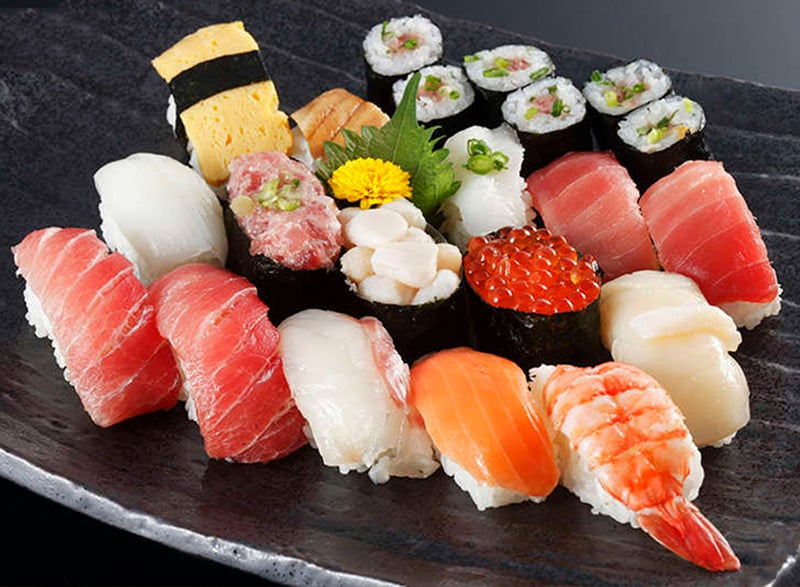
A Long Culinary Tradition
Japan has a long history of consuming raw fish that dates back centuries. Over time, this tradition has evolved into a highly refined culinary art. Chefs undergo years of training to learn how to properly select, prepare, and serve raw seafood safely.
This deep cultural knowledge means that eating raw fish is not done casually. Instead, it is guided by established practices that prioritize freshness, quality, and safety.
Strict Food Safety Standards
One of the main reasons raw fish is considered safe in Japan is the country’s strict food safety regulations. The seafood industry follows rigorous guidelines for:
-
Sourcing fish from trusted suppliers
-
Maintaining cold chain storage from ocean to table
-
Inspecting fish for quality and safety
-
Ensuring proper handling and hygiene
Restaurants that serve raw fish are expected to meet high standards. This reduces the likelihood of contamination and ensures that consumers receive safe products.
The Role of Freezing Technology
Modern food safety practices play a crucial role in reducing the risk of parasites. One of the most effective methods is deep freezing.
Freezing fish at very low temperatures (typically around -20°C or lower for a specific period) can kill many parasites that might be present in raw seafood. This process is widely used in the preparation of fish intended for raw consumption.
In many cases, fish served as sushi or sashimi has been frozen according to strict guidelines before being served, even if it is labeled as “fresh.”
Careful Selection of Fish Species
Not all fish carry the same level of risk when it comes to parasites. In Japan, there is a strong awareness of which species are safer to consume raw.
For example:
-
Certain ocean fish are less likely to carry parasites harmful to humans
-
Freshwater fish, which may have a higher risk, are rarely eaten raw
By selecting appropriate species and sourcing them from safe environments, the risk is further reduced.
Expert Preparation by Trained Chefs
Preparing raw fish safely requires skill and experience. Japanese chefs are trained to:
-
Identify signs of freshness and quality
-
Remove parts of the fish where parasites are more likely to be found
-
Use proper cutting techniques to minimize contamination
-
Maintain strict hygiene standards
This level of expertise ensures that the fish is handled correctly at every stage.

Cultural Awareness and Consumer Knowledge
In Japan, consumers are generally well-informed about food quality and safety. People understand the importance of:
-
Eating raw fish from reputable establishments
-
Avoiding questionable or poorly handled seafood
-
Recognizing freshness indicators such as smell, texture, and appearance
This awareness contributes to safer consumption practices at the individual level.
Low Incidence Compared to Perceived Risk
While parasites in raw fish do exist, the actual incidence of illness from properly prepared sushi and sashimi is relatively low. Most cases of infection occur when raw fish is improperly handled, not frozen correctly, or consumed in environments that do not follow proper safety standards.
In Japan, the combination of regulation, expertise, and cultural practice significantly reduces these risks.
Global Differences in Food Safety Practices
In some countries, concerns about parasites in raw fish are more pronounced because food safety systems may differ. Not all regions have the same level of regulation, infrastructure, or training.
As a result, eating raw fish outside of controlled environments may carry higher risks. This is why food safety authorities in many countries recommend freezing fish before consuming it raw.
Are There Still Risks?
Despite all precautions, it is important to acknowledge that eating raw fish is not completely risk-free. Certain parasites, such as those that cause anisakiasis, can still be present if proper handling procedures are not followed.
Symptoms of such infections may include:
-
Abdominal pain
-
Nausea
-
Vomiting
However, these cases are relatively rare in settings where food safety standards are strictly maintained.
Why Confidence Exists
Japanese people’s confidence in eating raw fish does not come from ignoring the risks—it comes from managing them effectively. The combination of tradition, science, and regulation has created a system where raw fish can be consumed safely when proper practices are followed.
This balance between cultural heritage and modern food safety is key to understanding why raw fish remains a staple of Japanese cuisine.

Conclusion
The idea that Japanese people are unafraid of parasites in raw fish is not based on ignorance, but on a well-developed system of safety and expertise. From strict regulations and freezing techniques to skilled preparation and cultural awareness, every step is designed to minimize risk.
For those outside Japan, the lesson is clear: raw fish can be enjoyed safely, but only when it is sourced, handled, and prepared according to proper standards.
Ultimately, what may seem risky at first glance becomes far less concerning when supported by knowledge, discipline, and careful practice.