Few appetizers are as effortless yet satisfying as bread dipping oil. Found in Italian kitchens and Mediterranean restaurants around the world, this humble combination of olive oil, herbs, and spices transforms ordinary bread into a flavorful experience. With no cooking required and endless variations, bread dipping oil proves that simplicity often delivers the best results.
At its core, bread dipping oil celebrates quality ingredients. Extra virgin olive oil provides a smooth, fruity base, while garlic and dried herbs add depth and aroma. When paired with warm, crusty bread, the result is comforting, elegant, and incredibly versatile—perfect for casual dinners, family gatherings, or even special occasions.
The Key Ingredients That Make the Difference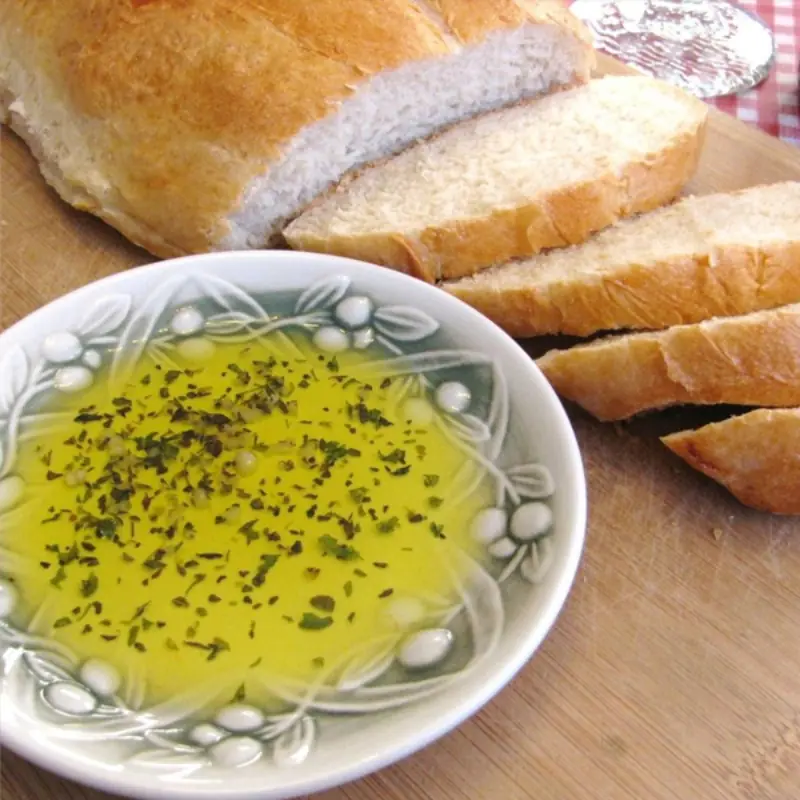
The foundation of any good bread dipping oil is extra virgin olive oil. Its freshness and flavor directly affect the final taste, so choosing a high-quality oil is essential. Look for olive oil with a balanced aroma—slightly peppery, grassy, or fruity.
Garlic brings warmth and intensity. Minced fresh garlic releases natural oils that infuse beautifully into the olive oil. Dried herbs such as basil and oregano add an earthy, Mediterranean character, while optional additions like crushed black pepper, chili flakes, or sea salt can enhance complexity.
Some versions include grated Parmesan cheese, lemon zest, or balsamic vinegar for extra richness. However, even the simplest combination can be deeply satisfying when the ingredients are fresh and well balanced.
How to Prepare Bread Dipping Oil
Preparing bread dipping oil takes only minutes. Simply pour extra virgin olive oil into a shallow dish, then stir in minced garlic and dried herbs. Allow the mixture to rest for a few minutes so the flavors can blend. This short resting time helps the herbs soften and release their aroma into the oil.
For best results, serve the oil at room temperature. Cold oil can mute flavors, while gently warming it—without cooking—can enhance fragrance and taste.
The Best Bread to Serve With It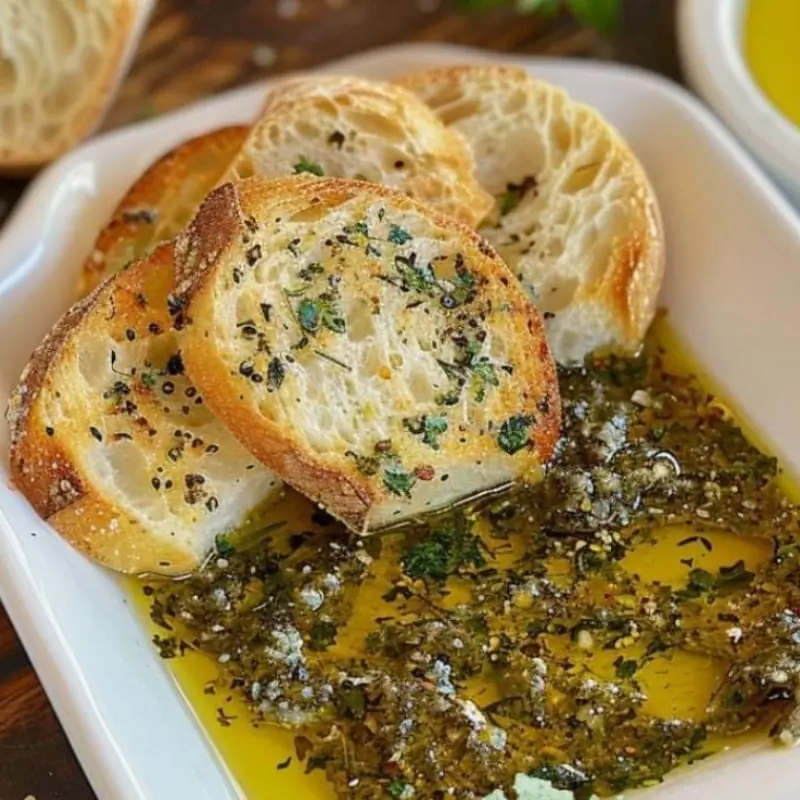
Bread plays an equally important role. Crusty breads such as baguettes, sourdough, or rustic Italian loaves work best because their firm exterior and airy interior soak up the oil without becoming soggy. Lightly toasting the bread adds texture and brings out subtle nutty notes that complement the oil.
Slice the bread thick enough to hold the oil, but not so thick that it overwhelms the flavors.
Health Benefits Worth Noting
Beyond taste, bread dipping oil offers nutritional value. Extra virgin olive oil is rich in heart-healthy monounsaturated fats and antioxidants. When enjoyed in moderation, it supports cardiovascular health and fits well into a Mediterranean-style diet.
Using olive oil instead of butter or heavy sauces can be a lighter option while still delivering satisfying richness.
A Versatile Addition to Any Table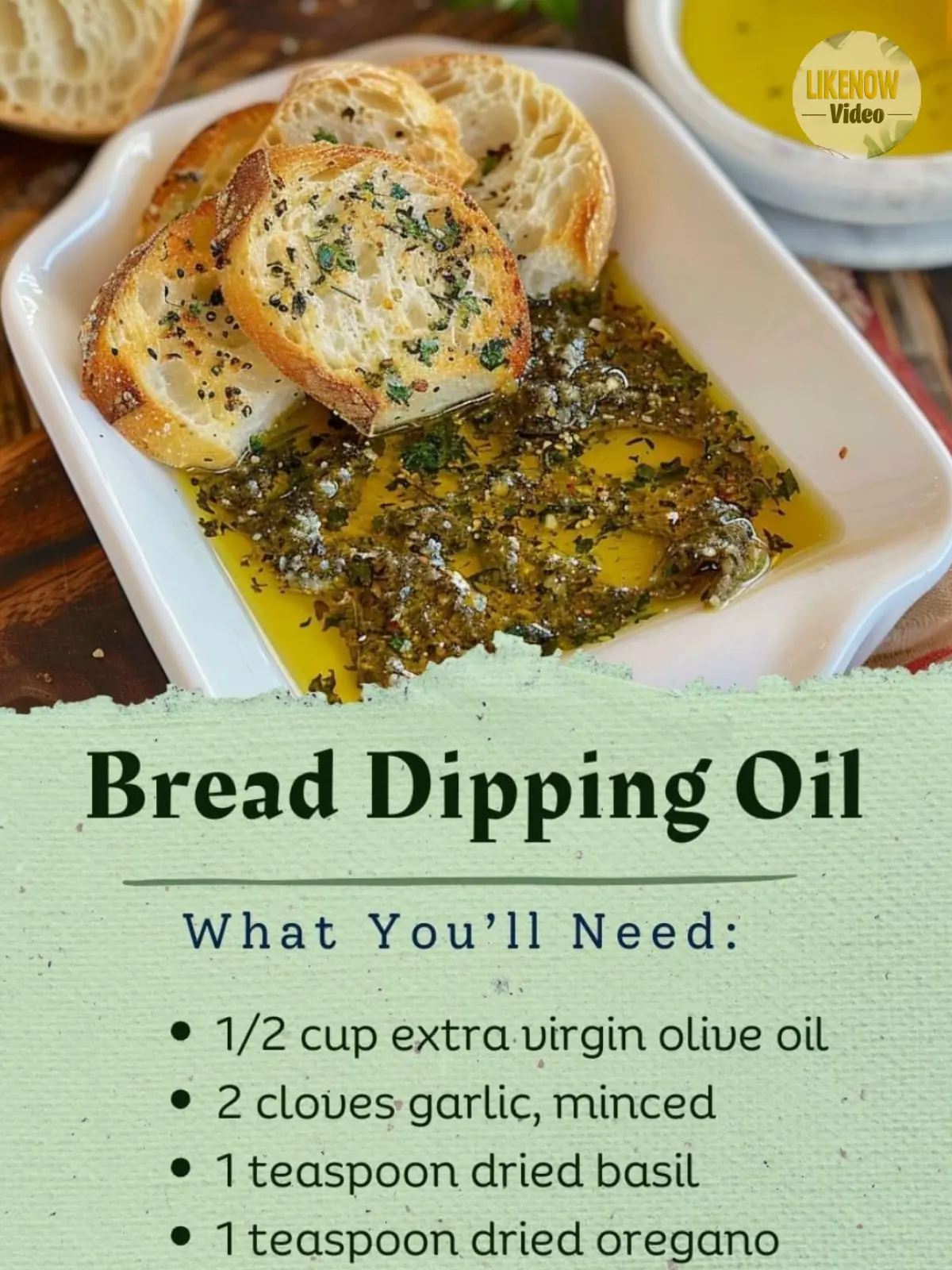
Bread dipping oil is more than an appetizer. It can be served as a starter, a side dish, or even a casual snack. It pairs beautifully with pasta dishes, grilled vegetables, salads, and soups. Its adaptability makes it a reliable choice for both everyday meals and entertaining guests.